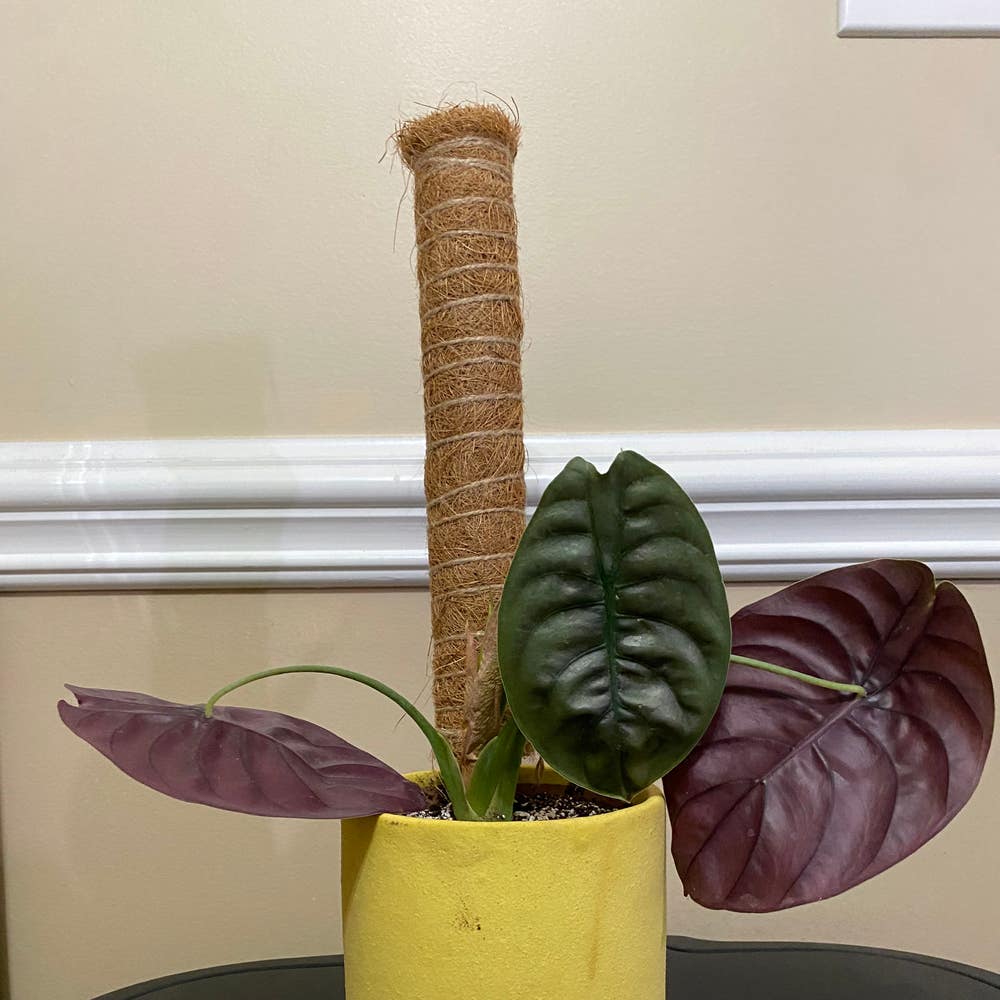
Best Tips for Droopy Leaves on Mirror Plant 🌧️
Alocasia cuprea
By the Greg Editorial Team
Oct 09, 2024•4 min read
This article was created with the help of AI so we can cover more plants for you. May contain errors. See one? Report it here.
Revive your droopy mirror plant 🌱 with simple watering tips and care strategies for vibrant growth!
- 🌧️ Droopy leaves indicate overwatering, underwatering, or environmental stress. Check conditions!
- 🌱 Consistent watering and humidity above 60% are crucial for mirror plant health.
- 🐛 Pest infestations like spider mites can cause droopiness; monitor regularly for signs.
Common Causes of Droopy Leaves
💧 Overwatering Issues
Droopy leaves often signal overwatering, which can lead to root rot and waterlogged soil. This condition suffocates the roots, preventing them from absorbing essential nutrients and oxygen.
🚰 Underwatering Signs
On the flip side, underwatering manifests as dry, brittle leaves and noticeable wilting. If your plant looks sad and droopy, it might be crying out for a drink.
🌡️ Environmental Stress
Temperature fluctuations and low humidity can also stress your mirror plant. Sudden changes in its environment can cause leaves to droop as the plant struggles to adapt.
🐜 Pest Infestations
Pests like spider mites and aphids can wreak havoc on leaf health. These tiny invaders suck the life out of your plant, leading to droopy, unhealthy leaves and overall decline.
Understanding these common causes is the first step in reviving your mirror plant. Next, we'll dive into how to diagnose the specific problem affecting your plant's health.
Diagnosing the Problem
🚰 Signs of Overwatering
Overwatering is a common culprit for droopy leaves. Look for yellowing leaves and a mushy texture, which indicate distress.
Check the soil condition; if it feels waterlogged or compacted, that’s a red flag. Additionally, inspect the roots—foul smells or blackened roots signal serious issues.
💧 Signs of Underwatering
Underwatering can also lead to droopy leaves. Watch for crispy edges and a drooping appearance, which suggest the plant is thirsty.
The soil will likely be dry and hard, pulling away from the pot. If your plant is wilting and showing stunted growth, it’s time to reassess your watering habits.
🐛 Identifying Pest Infestations
Pest infestations can wreak havoc on your mirror plant. Common pests like spider mites and aphids are often the culprits.
Look for signs such as webbing on leaves, sticky residue, or visible insects. If you notice yellowing leaves and reduced vigor, it’s crucial to act quickly to mitigate damage.
Understanding these signs is the first step in restoring your plant’s health. With proper diagnosis, you can move on to effective solutions for droopy leaves.
Solutions for Droopy Leaves
🌊 Adjusting Watering Practices
Establishing a consistent watering schedule is crucial. Water your mirror plant when the top inch of soil feels dry to the touch.
To ensure proper moisture levels, use the finger test: insert your finger into the soil to gauge its dampness. Remember to adjust your watering frequency based on the season; warmer months typically require more frequent watering.
🕳️ Improving Soil Drainage
Soil type plays a significant role in plant health. Opt for a well-draining potting mix, such as a peat-based blend with perlite, to prevent water retention.
Make sure your pots have drainage holes to avoid water accumulation. If you notice compacted soil, consider repotting your plant to improve drainage and aeration.
💧 Increasing Humidity Levels
Maintaining humidity levels above 60% is ideal for mirror plants. You can increase humidity in several ways.
Using a humidifier in the room is effective. Alternatively, group your plants together to create a microclimate, or place a tray of water with pebbles under the pot to boost moisture levels.
🌱 Fertilization Adjustments
A monthly fertilization schedule during the growing season can enhance your plant's health. Use a balanced, water-soluble fertilizer with an appropriate NPK ratio.
Watch for signs of nutrient deficiency, such as yellowing leaves or poor growth, to adjust your fertilization practices accordingly.
By implementing these solutions, you can help your mirror plant thrive and recover from droopy leaves. Next, let’s explore effective recovery techniques to ensure your plant returns to its vibrant self.
Recovery Techniques
Step-by-Step Recovery Process for Droopy Leaves 🌱
Identifying the root cause of droopy leaves is crucial. Start by assessing whether overwatering or underwatering is the issue.
Next, adjust your watering practices accordingly. If overwatering is the culprit, reduce the frequency; if underwatering is the problem, increase it.
Finally, improve environmental conditions. Increasing humidity and adjusting light exposure can significantly enhance your plant's recovery.
When to Prune Damaged Leaves ✂️
Timing is key when it comes to pruning. Only prune leaves that are severely damaged or yellowed to avoid stressing the plant further.
Use clean, sharp scissors to prevent infection. Cut at the base of the leaf stem to encourage new growth and rejuvenate your mirror plant.
Long-Term Care Strategies for Healthy Growth 🌿
Regular monitoring is essential for a thriving plant. Keep an eye out for signs of stress or pest infestations to catch issues early.
Establish a consistent care routine that includes watering, fertilization, and humidity management.
Be prepared to adapt your care based on seasonal changes and your plant's response. This flexibility will help ensure your mirror plant remains healthy and vibrant.
By following these recovery techniques, you can help your mirror plant bounce back and thrive. Next, let’s explore how to maintain its health over the long term.
⚠️ Safety First
This content is for general information and may contain errors, omissions, or outdated details. It is not medical, veterinary advice, or an endorsement of therapeutic claims.
Always consult a qualified healthcare professional before using any plant as food, medicine, or supplement.
Never eat any plant (or feed one to pets) without confirming its identity with at least two trusted sources.
If you suspect poisoning, call Poison Control (800) 222-1222, the Pet Poison Helpline (800) 213-6680, or your local emergency service immediately.
Spotted an error? Please report it here.
Revive your droopy mirror plant with tailored care tips 🌿 from Greg, ensuring you tackle watering, pests, and environmental stress for a thriving green companion!