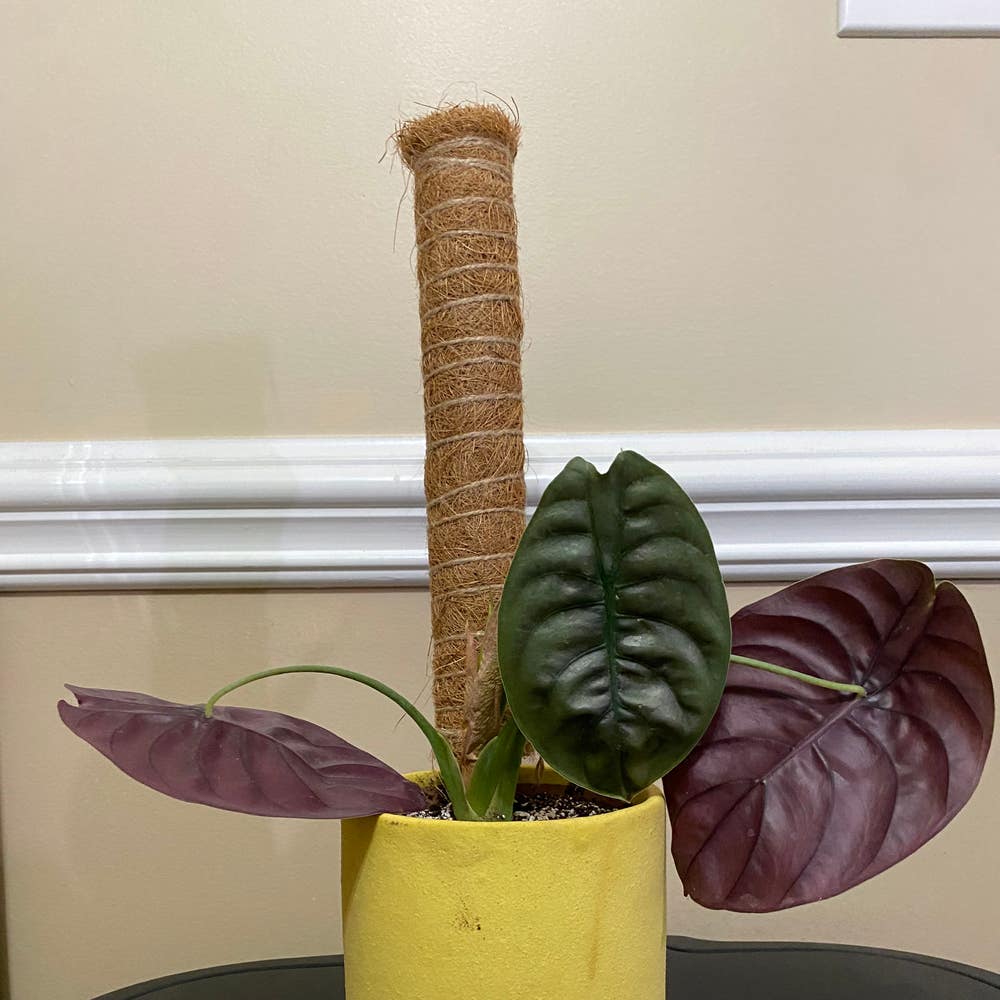
✂️ When and Where to Cut Back Your Mirror Plant
Alocasia cuprea
By the Greg Editorial Team
Oct 09, 2024•2 min read
This article was created with the help of AI so we can cover more plants for you. May contain errors. See one? Report it here.
Revitalize your mirror plant 🌿 with essential pruning techniques for vibrant growth and stunning aesthetics!
- ✂️ Pruning is vital for your mirror plant's health and aesthetics.
- 🌬️ Thinning cuts improve air circulation, promoting better growth.
- 🌼 Deadheading encourages new blooms, enhancing your garden's beauty.
Pruning Techniques
Pruning your mirror plant is essential for its health and aesthetics. Understanding the types of cuts you can make will help you achieve the best results.
✂️ Types of Cuts
Thinning Cuts
Thinning cuts are designed to remove excess growth and improve air circulation. To perform this technique, cut back stems either to the base or to a lateral branch.
Shaping Cuts
Shaping cuts help maintain the desired shape and size of your plant. This involves trimming back the tips of branches, which encourages bushier growth.
📋 Step-by-Step Guide to Pruning
- Assess the plant's shape and health. Take a moment to evaluate how your mirror plant looks.
- Identify branches that are dead, damaged, or overgrown. This will guide your pruning decisions.
- Make thinning cuts first to open up the plant. Focus on removing excess growth.
- Follow with shaping cuts to achieve the desired form. This will refine the overall appearance.
- Clean up debris to prevent pests and diseases. A tidy workspace is crucial for plant health.
🌼 Deadheading Instructions
Deadheading is a simple yet effective way to keep your mirror plant thriving.
- Identify spent flowers that have wilted or faded. These are the ones to remove.
- Use pruning shears to cut the flower stem back to the nearest leaf node. This encourages new growth.
- Dispose of dead flowers to prevent pests. Keeping your plant clean is key to its health.
⚠️ Common Pruning Mistakes
Over-Pruning: Signs and Consequences
Over-pruning can lead to excessive leaf drop and stunted growth. This weakens the plant and may make it more susceptible to disease.
Not Using the Right Tools: Risks Involved
Using dull or inappropriate tools can create jagged cuts, leading to infections. Always maintain sharp, clean tools for the best results.
🌱 Benefits of Pruning
Enhancing Growth and Flowering
Pruning promotes bushier growth and more abundant blooms. It redirects energy from old growth to new development, ensuring a vibrant plant.
Aesthetic Benefits
A well-pruned mirror plant maintains a tidy appearance and encourages healthy growth. It also allows for creative shaping to fit your garden's aesthetics.
With these techniques and insights, you're well-equipped to care for your mirror plant. Next, let's explore the common mistakes to avoid during the pruning process.
⚠️ Safety First
This content is for general information and may contain errors, omissions, or outdated details. It is not medical, veterinary advice, or an endorsement of therapeutic claims.
Always consult a qualified healthcare professional before using any plant as food, medicine, or supplement.
Never eat any plant (or feed one to pets) without confirming its identity with at least two trusted sources.
If you suspect poisoning, call Poison Control (800) 222-1222, the Pet Poison Helpline (800) 213-6680, or your local emergency service immediately.
Spotted an error? Please report it here.
Transform your mirror plant into a stunning centerpiece 🌿 by using Greg's tailored pruning reminders and expert tips to keep it healthy and thriving!