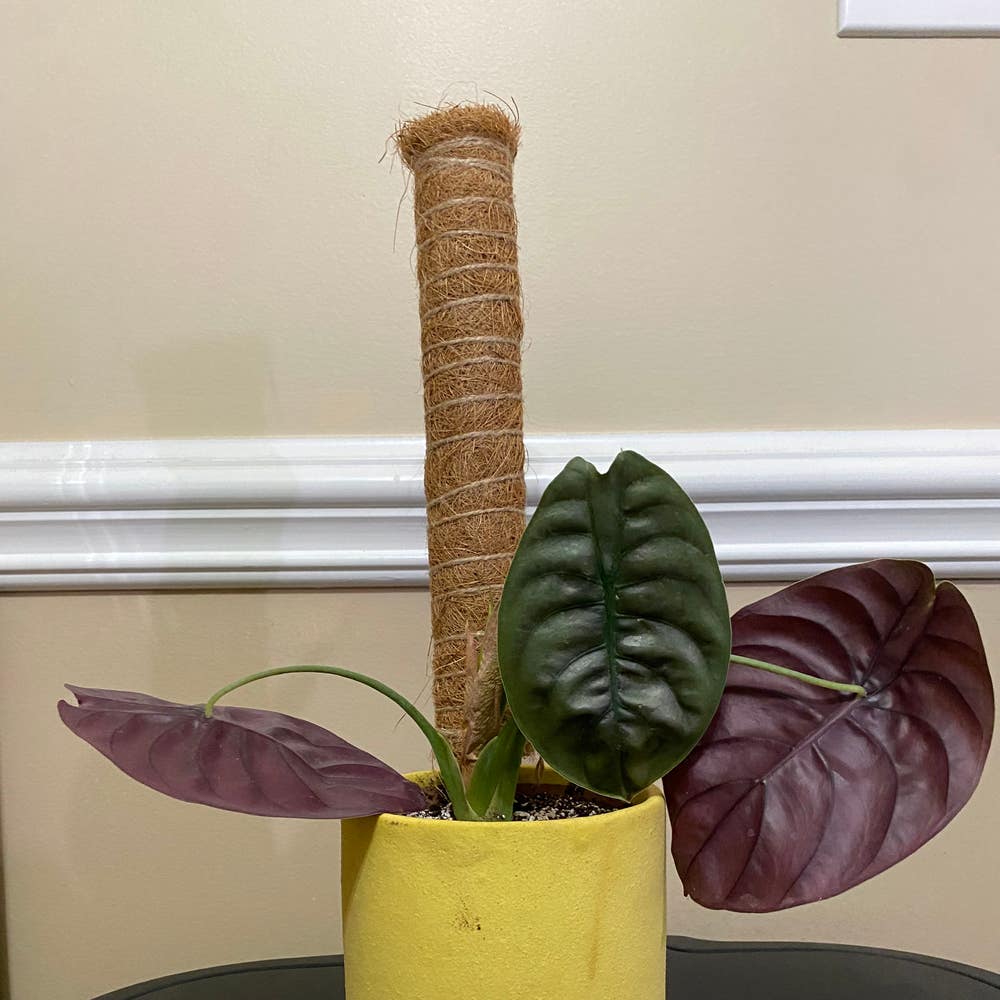
🌼 Mirror Plant Is a Garden Plant, Not a Weed
Alocasia cuprea
By the Greg Editorial Team
Oct 09, 2024•5 min read
This article was created with the help of AI so we can cover more plants for you. May contain errors. See one? Report it here.
Choose the non-invasive Mirror Plant 🌿 for a beautiful garden that supports local ecosystems and biodiversity!
- 🌱 Mirror Plant is non-invasive, ensuring safe and manageable garden growth.
- 🌿 Its glossy leaves enhance aesthetics while attracting beneficial insects and pollinators.
- 🌍 Promotes biodiversity and soil health, making it a responsible gardening choice.
Plant Classification
Definition of Invasive Species 🌍
Invasive species are non-native plants that spread aggressively. They outcompete local flora and disrupt ecosystems, often leading to significant ecological imbalances.
Characteristics that Differentiate Mirror Plant 🌿
Mirror Plant stands out because it doesn't exhibit aggressive growth patterns. Under normal garden conditions, it has limited spread potential, making it a manageable choice for gardeners.
This plant is adaptable yet does not outcompete native species. Its compatibility with local flora makes it an excellent option for sustainable landscaping, promoting harmony in your garden.
By choosing Mirror Plant, you're not just beautifying your space; you're also supporting the local ecosystem. This makes it a responsible choice for environmentally conscious gardeners.
As we explore its growth habits next, you'll see how its characteristics contribute to its appeal in various garden designs.
Growth Habits
Typical Growth Patterns 🌱
Mirror Plant is a low-growing shrub that boasts a bushy appearance, typically reaching heights of 1 to 3 feet. Its moderate growth rate features seasonal spurts during the warmer months, making it a lively addition to any garden.
The plant's glossy, dark green leaves not only enhance its aesthetic appeal but also create a lush backdrop for other flora. This combination of height and leaf characteristics makes it a visually striking choice for landscaping.
Natural Limits to Growth 🚫
Unlike many invasive species, Mirror Plant spreads primarily through clumping rather than aggressive runners or seeds. This means that while it can expand under optimal conditions, it remains manageable with regular maintenance.
With proper care, you can enjoy its beauty without worrying about it overtaking your garden. Regular monitoring ensures that it stays within desired boundaries, allowing you to appreciate its charm without the hassle.
As we explore its ecological role next, you'll see how Mirror Plant contributes positively to gardens and local ecosystems.
Ecological Role
Benefits in Gardens and Ecosystems 🌼
The Mirror Plant is a champion when it comes to attracting beneficial insects and pollinators. This not only enhances biodiversity but also supports the overall health of local ecosystems.
Additionally, its ground cover capabilities are impressive. By preventing soil erosion and retaining moisture, it plays a crucial role in maintaining soil health.
Positive Interactions with Wildlife 🦋
This plant serves as a habitat for beneficial insects, creating a balanced ecosystem. Its presence encourages a thriving environment for various species, which is essential for garden vitality.
Moreover, the Mirror Plant can coexist harmoniously with other garden plants. This compatibility enhances overall garden health, making it a valuable addition to any landscape.
Incorporating the Mirror Plant into your garden not only beautifies your space but also contributes positively to the environment. As we explore garden management next, consider how to effectively integrate this versatile plant into your designs.
Garden Management
Effective Incorporation into Designs 🌿
Mirror Plant is a versatile choice for your garden. It works beautifully as ground cover, along borders, or in mixed plantings, adding visual interest to any landscape.
For optimal growth, plant it in well-draining soil and provide partial to full sunlight. This combination allows the Mirror Plant to thrive while enhancing the overall aesthetics of your garden.
Controlling Growth for Aesthetics ✂️
To keep your Mirror Plant looking its best, regular pruning is essential. This helps maintain the desired shape and size, ensuring it complements your garden design.
Stay vigilant for any signs of unwanted spread. Addressing these promptly will keep your garden tidy and prevent any potential issues down the line.
Incorporating Mirror Plant into your garden not only enhances its beauty but also supports local ecosystems. With the right management, you can enjoy its benefits while maintaining a stunning landscape.
Comparison to Other Plants
🌱 Similar Non-Invasive Options
When considering non-invasive alternatives to the Mirror Plant, Creeping Thyme and Ajuga stand out.
Creeping Thyme is a low-growing perennial that thrives in sunny spots, offering fragrant foliage and vibrant flowers. In contrast, Ajuga features striking blue flowers and a more aggressive growth habit, making it a better choice for quick coverage but less ideal for controlled gardens.
✨ Unique Qualities
What truly sets the Mirror Plant apart is its distinctive glossy leaves. These leaves not only reflect light beautifully but also create a lush, vibrant appearance in any garden.
Moreover, the Mirror Plant's adaptability to various soil types and climates makes it a versatile choice for gardeners. Whether in sandy, loamy, or clay soils, it thrives, ensuring that it can fit into diverse landscaping designs seamlessly.
Incorporating the Mirror Plant into your garden not only enhances its aesthetic appeal but also supports ecological balance. As you explore your options, consider how its unique qualities can elevate your outdoor space.
Next, let’s delve into the legal and environmental considerations surrounding the Mirror Plant and its role in sustainable practices.
Legal and Environmental Considerations
📜 Classifications and Guidelines
When considering the Mirror Plant for your garden, it's essential to be aware of local regulations. Many regions classify it as a non-invasive species, meaning it’s generally safe to plant without fear of it overtaking your garden.
Gardening guidelines often promote the Mirror Plant for its low-maintenance nature and compatibility with local ecosystems. This classification helps gardeners make informed choices, ensuring they contribute positively to their environment.
🌱 Role in Sustainable Practices
Choosing non-invasive plants like the Mirror Plant is crucial for sustainable landscaping. These plants not only enhance your garden's beauty but also support local biodiversity.
Incorporating Mirror Plant can significantly contribute to ecosystem health. By providing habitats for beneficial insects and maintaining soil integrity, it plays a vital role in creating a balanced garden environment.
As you plan your garden, remember that every plant choice matters. Opting for non-invasive species like the Mirror Plant fosters a thriving ecosystem, making your garden a haven for both plants and wildlife.
Transitioning to the next topic, let’s explore how to effectively incorporate Mirror Plant into your garden designs.
⚠️ Safety First
This content is for general information and may contain errors, omissions, or outdated details. It is not medical, veterinary advice, or an endorsement of therapeutic claims.
Always consult a qualified healthcare professional before using any plant as food, medicine, or supplement.
Never eat any plant (or feed one to pets) without confirming its identity with at least two trusted sources.
If you suspect poisoning, call Poison Control (800) 222-1222, the Pet Poison Helpline (800) 213-6680, or your local emergency service immediately.
Spotted an error? Please report it here.
Transform your garden with the stunning Mirror Plant 🌱, and let Greg guide you with tailored care tips to ensure it thrives while boosting local biodiversity!