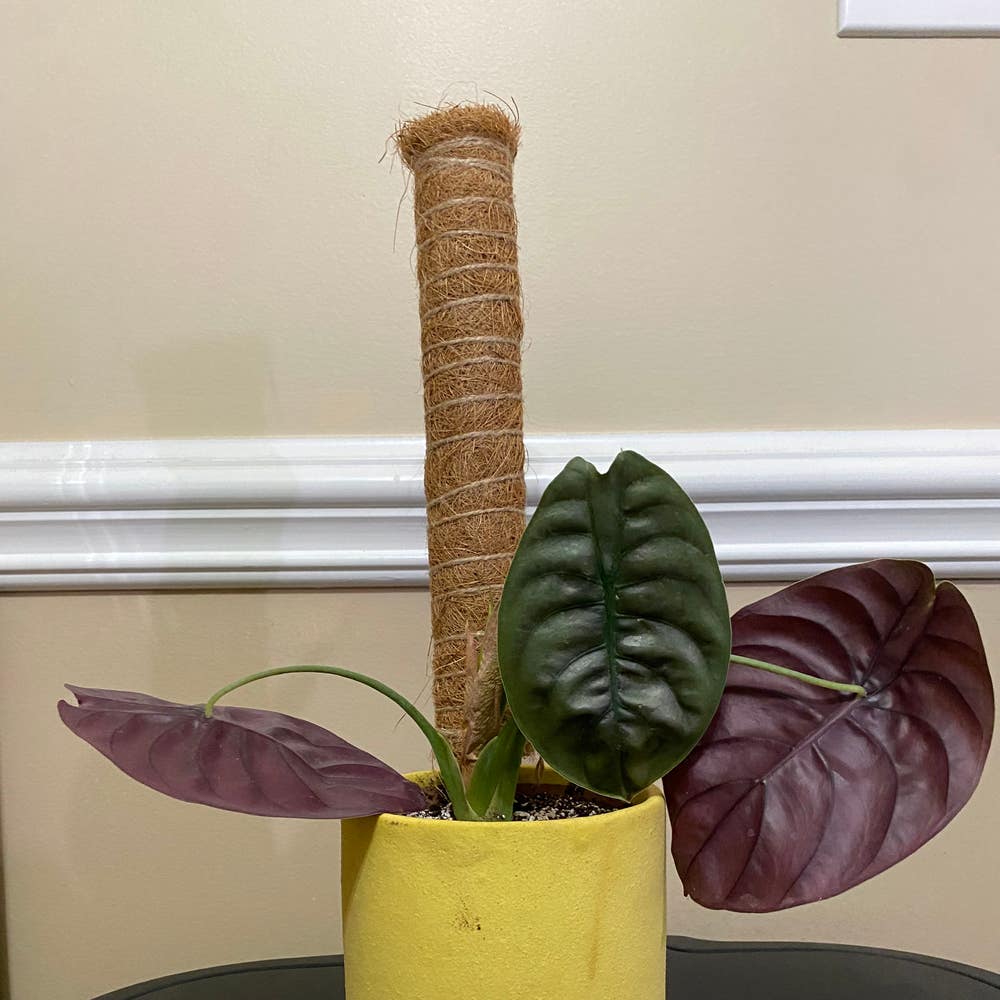
6 Factors Affecting Mirror Plant Flowering 🪞
Alocasia cuprea
By the Greg Editorial Team
Oct 09, 2024•5 min read
This article was created with the help of AI so we can cover more plants for you. May contain errors. See one? Report it here.
Master light and care techniques 🌼 to unlock vibrant blooms in your mirror plant and keep it thriving year-round!
- 🌞 Mirror plants need 6-8 hours of sunlight daily for vibrant blooms.
- 🌱 Key nutrients like nitrogen and phosphorus are essential for healthy flowering.
- ✂️ Prune in late winter to encourage new growth and maximize blooms.
Light Requirements and Flowering Issues
🌞 Importance of Sunlight for Blooming
For your mirror plant to thrive and produce vibrant blooms, it needs optimal light exposure. Aim for 6-8 hours of direct sunlight daily to ensure robust photosynthesis and healthy flower development.
Light is crucial not just for growth but also for the overall vitality of your plant. Without adequate sunlight, your mirror plant may struggle to flourish.
💡 Effects of Too Much or Too Little Light
Insufficient light can lead to stunted growth and fewer blooms. If you notice your plant isn't thriving, it might be time to reassess its light conditions.
On the flip side, too much light can cause leaf scorch and premature flower drop. If your plant shows signs of distress, consider adjusting its placement or using shade cloth to mitigate the effects.
By understanding these light requirements, you can create the perfect environment for your mirror plant to bloom beautifully. Next, let’s explore how nutritional needs play a vital role in flower development.
Nutritional Needs and Flower Development
🌱 Key Nutrients for Flower Development
To thrive and bloom beautifully, mirror plants require essential nutrients, primarily nitrogen, phosphorus, and potassium (NPK). These macronutrients play a crucial role in promoting healthy growth and vibrant flowers.
Micronutrients like magnesium and calcium are equally important. They support flower health by enhancing photosynthesis and strengthening cell walls, ensuring your plants can withstand environmental stressors.
⚠️ Signs of Nutritional Deficiencies
If your mirror plant's leaves start yellowing, it could signal a nitrogen deficiency. This nutrient is vital for lush, green foliage and overall plant vigor.
On the other hand, poor flower formation often indicates a phosphorus deficiency. Without adequate phosphorus, your plants may struggle to produce those stunning blooms you desire.
To combat these issues, establish a fertilization schedule tailored to your plant's needs. Use balanced fertilizers that provide both macronutrients and micronutrients to keep your mirror plant thriving.
Understanding these nutritional needs will empower you to nurture your plants effectively. With the right care, you can enjoy a flourishing display of flowers that brighten your space.
Next, we’ll explore pruning techniques that can further enhance your mirror plant's flowering potential.
Pruning Techniques to Prevent Flowering Problems
🌼 Best Practices for Pruning to Encourage Blooms
Pruning is essential for promoting healthy blooms in your mirror plant. The best time to prune is in late winter or early spring, just before new growth begins.
To encourage bushier growth and more flowers, consider pinching back the tips of the stems. This technique stimulates branching, leading to a fuller plant with increased blooming potential.
⏰ Timing of Pruning for Optimal Flowering
Understanding the bloom cycle is crucial for effective pruning. If you prune too late, you risk removing flower buds that are already forming.
Adjust your pruning techniques based on seasonal growth patterns. For instance, early spring is ideal for shaping your plant, while late summer may require a lighter touch to preserve blooms for the next season.
By mastering these pruning techniques, you can significantly enhance your mirror plant's flowering potential. Next, let's explore how environmental stressors can impact flowering.
Environmental Stressors Impacting Flowering
🌡️ Temperature Fluctuations and Their Effects
Maintaining the right temperature is crucial for your mirror plant's flowering success. The ideal range is between 15°C to 25°C (59°F to 77°F).
Extreme temperatures can wreak havoc on your blooms. Too much heat can lead to bud drop, while cold snaps may cause abnormal flower development.
💧 Humidity and Soil Moisture Considerations
Consistent soil moisture is key to preventing issues like root rot. Overwatering can drown your plant, while underwatering can stress it out.
Humidity also plays a significant role in flowering. Aim for a balanced level to create ideal conditions for your mirror plant to thrive. Regularly check moisture levels and adjust your care routine accordingly.
Understanding these environmental factors will help you nurture your mirror plant effectively. Next, let’s explore how pests and diseases can impact flowering.
Pest and Disease Management Affecting Flowering
🐜 Common Pests and Their Impact on Blooms
Pests like aphids and spider mites can wreak havoc on your mirror plant's blooms. Aphids often cluster on new growth, sucking sap and leading to distorted leaves, while spider mites create fine webs and cause leaf discoloration.
To combat these pests, consider introducing natural predators such as ladybugs or lacewings. Organic pesticides can also be effective; look for options that target specific pests without harming beneficial insects.
🦠 Diseases Leading to Bud Drop or Abnormal Development
Root rot is a common issue that can severely affect flowering. Symptoms include wilting, yellowing leaves, and a foul smell from the soil, indicating overwatering or poor drainage.
Fungal infections can also lead to bud drop or abnormal flower development. Identifying these issues early is crucial; look for discolored spots on leaves or stems. Treatment often involves improving air circulation and using fungicides as needed.
By staying vigilant about pests and diseases, you can ensure your mirror plant thrives and produces beautiful blooms. Next, we’ll explore how seasonal changes can impact flowering and what adjustments you can make to support your plant’s health.
Seasonal Considerations for Flowering
🌱 How Seasonal Changes Affect Flowering
Seasonal shifts can significantly impact your mirror plant's flowering. Adjusting care practices, such as fertilization and watering schedules, is crucial to ensure optimal blooming.
In spring, as temperatures rise, increase your watering frequency to support new growth. Conversely, during the winter months, reduce watering to prevent root rot, as the plant's growth slows down.
☀️ Preparing for Seasonal Stressors
Extreme weather conditions can stress your mirror plant, affecting its ability to bloom. Protecting your plant from harsh elements is essential for maintaining its health.
During summer, consider providing shade during the hottest parts of the day to prevent leaf scorch. In winter, ensure your plant is sheltered from frost to avoid damage to buds and flowers.
By staying attuned to seasonal changes and adjusting your care routine, you can promote vibrant blooms year-round. This proactive approach not only enhances flowering but also fosters a healthier plant overall.
Next, let’s explore how environmental stressors, like temperature fluctuations and humidity, can further impact flowering.
⚠️ Safety First
This content is for general information and may contain errors, omissions, or outdated details. It is not medical, veterinary advice, or an endorsement of therapeutic claims.
Always consult a qualified healthcare professional before using any plant as food, medicine, or supplement.
Never eat any plant (or feed one to pets) without confirming its identity with at least two trusted sources.
If you suspect poisoning, call Poison Control (800) 222-1222, the Pet Poison Helpline (800) 213-6680, or your local emergency service immediately.
Spotted an error? Please report it here.
Unlock a blooming masterpiece 🌸 with Greg's personalized care tips and reminders, ensuring your mirror plant gets the light, nutrients, and attention it needs to flourish!