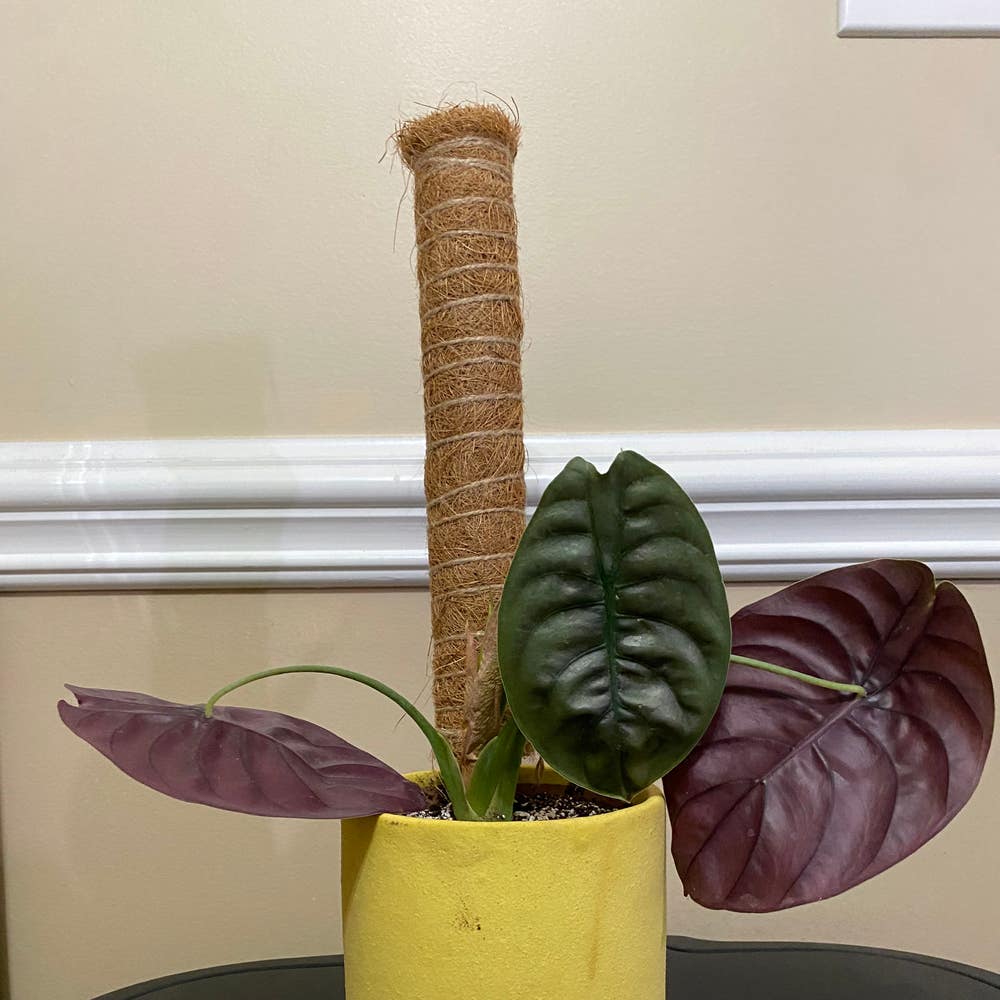
4 Factors for Optimal Mirror Plant Growth ⭐
Alocasia cuprea
By the Greg Editorial Team
Oct 09, 2024•5 min read
This article was created with the help of AI so we can cover more plants for you. May contain errors. See one? Report it here.
Cultivate vibrant mirror plants 🌱 with essential tips on optimal care and growing conditions for a thriving garden!
- ☀️ Mirror plants need 6-8 hours of sunlight for optimal growth and health.
- 🌡️ Ideal temperature range is 15°C to 30°C to prevent stress and promote growth.
- 🌱 Well-draining soil and proper pH ensure nutrient availability and prevent root rot.
Optimal Growing Conditions
🌍 Choosing the Right Location
Sunlight Requirements
To thrive, mirror plants need full sun to partial shade, soaking up 6 to 8 hours of sunlight daily. This balance ensures they grow strong and vibrant.
Temperature Preferences
These plants flourish in a temperature range of 15°C to 30°C (59°F to 86°F). Keeping them within this zone helps prevent stress and promotes healthy growth.
🏗️ Soil Preparation
Soil Type
Opt for well-draining soil, such as sandy loam or a quality potting mix. This prevents waterlogging, which can lead to root rot.
Soil pH
Aim for a soil pH between 6.0 and 7.5. This range supports nutrient availability, ensuring your mirror plants receive what they need to thrive.
🌱 Container vs. Outdoor Growing Considerations
When growing in containers, make sure to provide adequate drainage holes. This is crucial for preventing excess moisture buildup.
For outdoor cultivation, select a sheltered spot to protect your plants from harsh winds. A little extra care in location can make a big difference in their overall health.
With the right conditions established, you’re well on your way to nurturing thriving mirror plants. Next, let’s dive into effective planting techniques that will set you up for success.
Planting Techniques ((difficulty:easy))
Step-by-Step Instructions 🌱
Planting your mirror plant is straightforward and rewarding. Start by preparing the planting site or container with well-draining soil.
Next, dig a hole that’s twice the width of the root ball. This gives the roots plenty of room to spread out.
Carefully place the plant in the hole, ensuring the top of the root ball is level with the soil surface. This step is crucial for healthy growth.
Finally, backfill the hole with soil and water thoroughly to settle the plant in its new home.
Spacing and Depth Requirements 📏
Proper spacing is essential for optimal growth. For shrubs, space them 2-3 feet apart; for ground cover, you can plant them closer together.
When it comes to depth, make sure to plant at the same depth as it was in the nursery pot. This helps maintain the plant's health and stability.
Best Planting Times ⏰
Timing can make a significant difference in your planting success. The optimal planting seasons for mirror plants are spring and early fall.
These seasons provide the best conditions for root establishment and growth. Planting during these times ensures your mirror plant thrives in its new environment.
With these techniques in mind, you're well on your way to cultivating a healthy mirror plant. Next, let’s explore how to care for your plant through proper watering and fertilizing.
Watering and Fertilizing
💧 Watering Frequency and Techniques
To keep your mirror plant thriving, establish a consistent watering schedule. Water weekly during the growing season, but dial it back in winter when growth slows.
When watering, aim for the base of the plant. This technique helps prevent wetting the leaves, which can lead to fungal issues.
🌱 Types of Fertilizers
For optimal growth, use a balanced NPK fertilizer, such as a 10-10-10 mix. Apply this every 4 to 6 weeks during the growing season to provide essential nutrients.
⚠️ Signs of Overwatering or Underwatering
It's crucial to recognize the signs of improper watering. Overwatering often manifests as yellowing leaves and root rot, while underwatering leads to wilting and dry leaf edges.
By monitoring these symptoms, you can adjust your watering practices to keep your mirror plant healthy and vibrant.
With proper watering and fertilizing, your mirror plant will flourish, setting the stage for effective pruning and maintenance.
Pruning and Maintenance
Importance of Pruning 🌱
Pruning is essential for mirror plants as it encourages bushier growth and helps maintain their overall health. By removing dead or damaged branches, you allow the plant to focus its energy on new growth.
Best Practices ✂️
Timing is crucial when it comes to pruning. Aim to do this in late winter or early spring, just before the new growth begins.
When you prune, use clean, sharp pruning shears. Make your cuts just above a node to promote healthy regrowth.
Ongoing Care Routine 🛠️
Pest Control
Regular inspections are key to keeping your mirror plant healthy. Look out for pests like aphids and spider mites, which can wreak havoc if left unchecked.
Disease Management
Monitoring for diseases is equally important. Keep an eye out for root rot and fungal infections, and ensure your plant has proper drainage to prevent these issues.
By staying proactive with pruning and maintenance, you can ensure your mirror plant thrives beautifully. Next, let’s explore common challenges and solutions to keep your plant in top shape.
Common Challenges and Solutions
🐛 Identifying and Addressing Common Pests
Common Pests
Pests can be a real headache for mirror plant enthusiasts. Aphids are notorious for curling leaves and leaving a sticky residue behind.
Spider mites are another culprit; they create fine webbing and cause stippling on leaves. Regular inspections can help catch these pests early.
🌡️ Solutions for Environmental Stress
Heat Stress
Extreme heat can stress your plants. Providing shade during scorching days is essential; consider using mulch to help retain moisture in the soil.
Cold Stress
Cold weather can also pose a threat. If frost is in the forecast, protect your plants with covers or move containers indoors to keep them safe.
🧐 Troubleshooting Growth Issues
Yellowing Leaves
Yellowing leaves can signal trouble. This often stems from overwatering or a nutrient deficiency.
To remedy this, adjust your watering practices and consider adding fertilizer to boost nutrient levels.
Stunted Growth
Stunted growth can be frustrating. Poor soil conditions or insufficient sunlight are common culprits.
Improving soil drainage and ensuring your plants receive adequate light can help them thrive again.
By staying vigilant and addressing these challenges, you can foster a healthy environment for your mirror plants to flourish. Next, let’s explore the importance of pruning and maintenance to keep your plants in top shape.
⚠️ Safety First
This content is for general information and may contain errors, omissions, or outdated details. It is not medical, veterinary advice, or an endorsement of therapeutic claims.
Always consult a qualified healthcare professional before using any plant as food, medicine, or supplement.
Never eat any plant (or feed one to pets) without confirming its identity with at least two trusted sources.
If you suspect poisoning, call Poison Control (800) 222-1222, the Pet Poison Helpline (800) 213-6680, or your local emergency service immediately.
Spotted an error? Please report it here.
Help your mirror plants thrive brilliantly 🌞 with Greg's tailored care reminders and expert tips that ensure they get the sunlight, soil, and attention they need!