✨ 9 Outdoor Care Tips for Mirror Plant
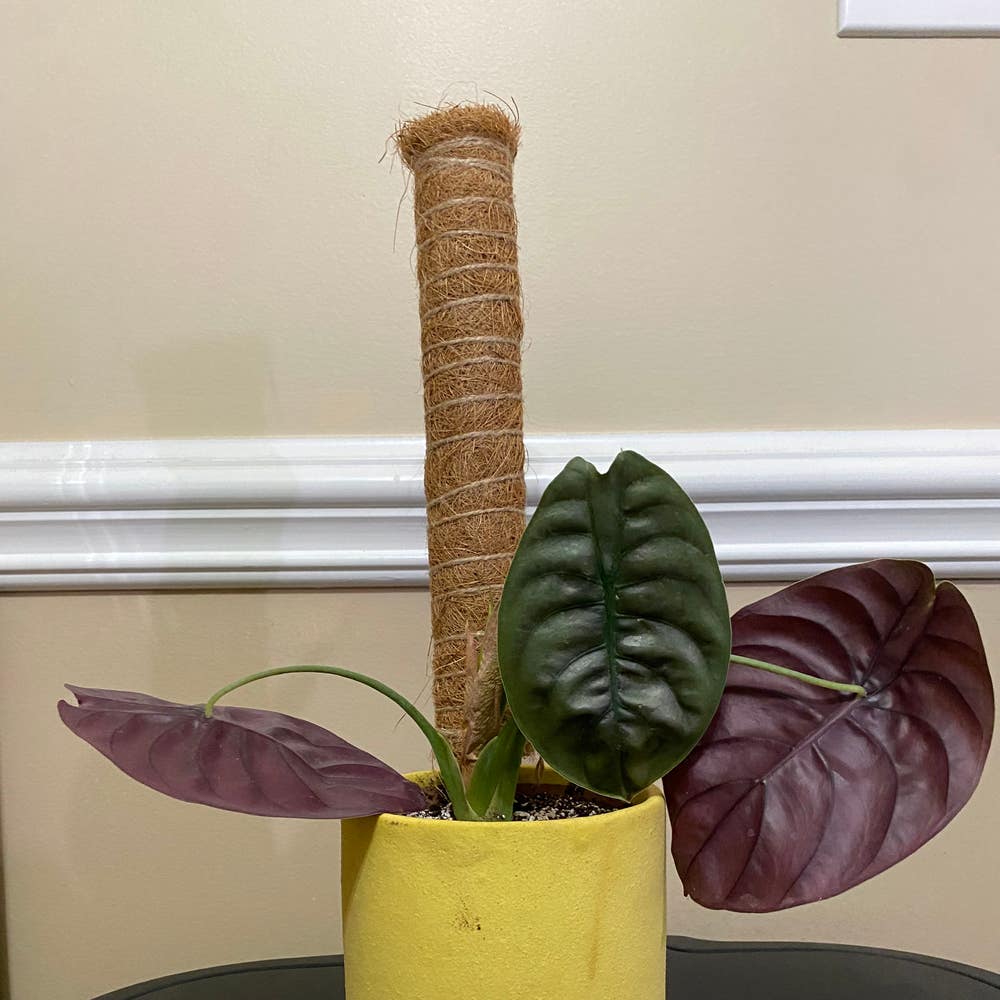
Alocasia cuprea
By the Greg Editorial Team
Oct 09, 2024•5 min read
This article was created with the help of AI so we can cover more plants for you. May contain errors. See one? Report it here.
Transform your mirror plant care 🌱 with essential tips on sunlight, watering, and protection for vibrant growth!
- ☀️ Mirror plants need 6-8 hours of sunlight for optimal growth; adjust for hot climates.
- 💧 Water deeply, 1-2 inches weekly, and check soil dryness to prevent wilting.
- 🌱 Use well-draining soil and fertilize every 4-6 weeks for healthy growth.
Sunlight Requirements
Ideal Conditions 🌞
Mirror plants thrive best in full sun to partial shade, requiring about 6-8 hours of sunlight daily. Insufficient sunlight can lead to stunted growth and a noticeable reduction in leaf glossiness, making your plant look less vibrant.
Adjustments for Different Climates ☀️
In extremely hot climates, providing shade is crucial to prevent leaf scorch. You can use shade cloth or strategically place your plant where it receives filtered light during peak sun hours.
Acclimatizing your mirror plant to direct sunlight gradually is essential. Start by exposing it to a few hours of sun each day, increasing the duration over time to help it adapt without stress.
This understanding of sunlight needs sets the foundation for the next critical aspect of outdoor care: watering needs.
Watering Needs
General Guidelines 🌊
Watering your mirror plant is crucial for its health. Check the top inch of soil; if it feels dry, it’s time to water.
Aim for deep watering to promote robust root growth. Ideally, provide 1-2 inches of water each week to keep your plant thriving.
Signs of Overwatering and Underwatering 🚨
Overwatering can lead to yellowing leaves and root rot. If you notice these signs, it’s time to reassess your watering routine.
On the flip side, underwatering manifests as wilting leaves and dry soil. Keep an eye out for these indicators to ensure your mirror plant stays happy and healthy.
Understanding these watering needs will set you on the right path to nurturing your mirror plant. Next, let’s explore the ideal soil type and drainage practices to further enhance its growth.
Soil Type and Drainage
Ideal Composition 🌱
For your mirror plant to thrive, it needs well-draining soil. A mix of loam, sand, and organic matter creates the perfect environment for healthy roots.
The pH level should be slightly acidic to neutral, ideally between 6.0 and 7.0. This balance allows for optimal nutrient absorption.
Importance of Drainage 🚰
Proper drainage is crucial in preventing root rot. Waterlogged soil can suffocate roots, leading to a decline in plant health.
To enhance drainage, consider adding perlite or gravel to your soil mix. These amendments create air pockets, allowing excess water to escape and keeping your mirror plant happy.
Understanding soil composition and drainage is key to nurturing your mirror plant. With the right conditions, you’ll set the stage for vibrant growth and lush foliage.
Next, let’s explore the fertilization practices that will further support your plant’s health.
Fertilization Practices
Recommended Schedule 🌱
To keep your mirror plant thriving, fertilize every 4-6 weeks during the growing season. Use balanced NPK fertilizers, like a 10-10-10 mix, or go for organic options such as compost for a nutrient boost.
Signs of Nutrient Deficiencies ⚠️
Watch for yellowing leaves, which often signal a nitrogen deficiency. If you notice stunted growth, it could indicate a phosphorus deficiency, so keep an eye on your plant's overall health.
Understanding these fertilization practices will help you nurture your mirror plant effectively. Next, let’s explore how to protect it from environmental factors for optimal growth.
Protection from Environmental Factors
🌧️ Weather Protection Strategies
Protecting your mirror plant from extreme weather is crucial for its health. In colder months, cover your plants with frost cloth or bring containers indoors to shield them from frost damage.
During scorching summer days, providing shade is essential. Consider using shade cloth or strategically placing your plant under larger foliage to prevent sunburn.
🐞 Pest Management
Outdoor pests can wreak havoc on your mirror plant. Keep an eye out for common culprits like aphids, spider mites, and mealybugs.
Regular inspections are key to early detection. Use neem oil applications as a natural deterrent, and think about introducing beneficial insects like ladybugs to keep pest populations in check.
🦠 Common Diseases and Treatments
Understanding common diseases can save your plant from serious issues. Root rot and leaf spot are two prevalent problems that mirror plants face.
To combat these diseases, focus on improving drainage to prevent waterlogging. If issues arise, consider using fungicides and promptly remove any affected leaves to maintain plant health.
With these protective measures in place, your mirror plant can thrive despite environmental challenges. Next, let’s explore seasonal care tips to keep your plant flourishing throughout the year.
Seasonal Care
Spring to Winter Tips 🌱
Spring is the season of renewal for your mirror plant. As growth resumes, it's the perfect time for pruning and fertilization to encourage lush foliage.
Summer Care ☀️
During summer, your mirror plant will thrive with increased watering. Keep an eye out for pests; proactive pest control is essential to maintain its health.
Fall Preparations 🍂
As temperatures begin to drop in fall, prepare your plant for the colder months. Mulching and final pruning will help protect it from the impending chill.
Winter Protection ❄️
In winter, frost can be a real threat. Reduce watering frequency and consider protective measures to shield your plant from freezing temperatures.
By following these seasonal care tips, you’ll ensure your mirror plant remains vibrant throughout the year. Next, let’s explore how climate zones impact its growth and care.
Climate Zone Considerations
Best Zones for Growth 🌱
Mirror plants thrive best in USDA zones 9-11. These zones provide the warm temperatures and ample sunlight that mirror plants crave.
For those in cooler zones, consider container planting. This allows you to move your plants indoors during frost or extreme weather, ensuring their survival and health.
Adjustments for Climate Conditions ☀️
Adapting care practices to your local climate is essential for a thriving mirror plant.
In hotter climates, you may need to increase watering frequency and provide more shade. Conversely, in cooler areas, ensure your plant gets enough sunlight while protecting it from harsh winds.
By tailoring your approach, you can help your mirror plant flourish no matter where you live.
⚠️ Safety First
This content is for general information and may contain errors, omissions, or outdated details. It is not medical, veterinary advice, or an endorsement of therapeutic claims.
Always consult a qualified healthcare professional before using any plant as food, medicine, or supplement.
Never eat any plant (or feed one to pets) without confirming its identity with at least two trusted sources.
If you suspect poisoning, call Poison Control (800) 222-1222, the Pet Poison Helpline (800) 213-6680, or your local emergency service immediately.
Spotted an error? Please report it here.
Keep your mirror plant thriving year-round 🌞 with Greg's tailored watering reminders and expert tips that make outdoor care a breeze!