🪞 Propagating Mirror Plant: Step-by-Step Guide
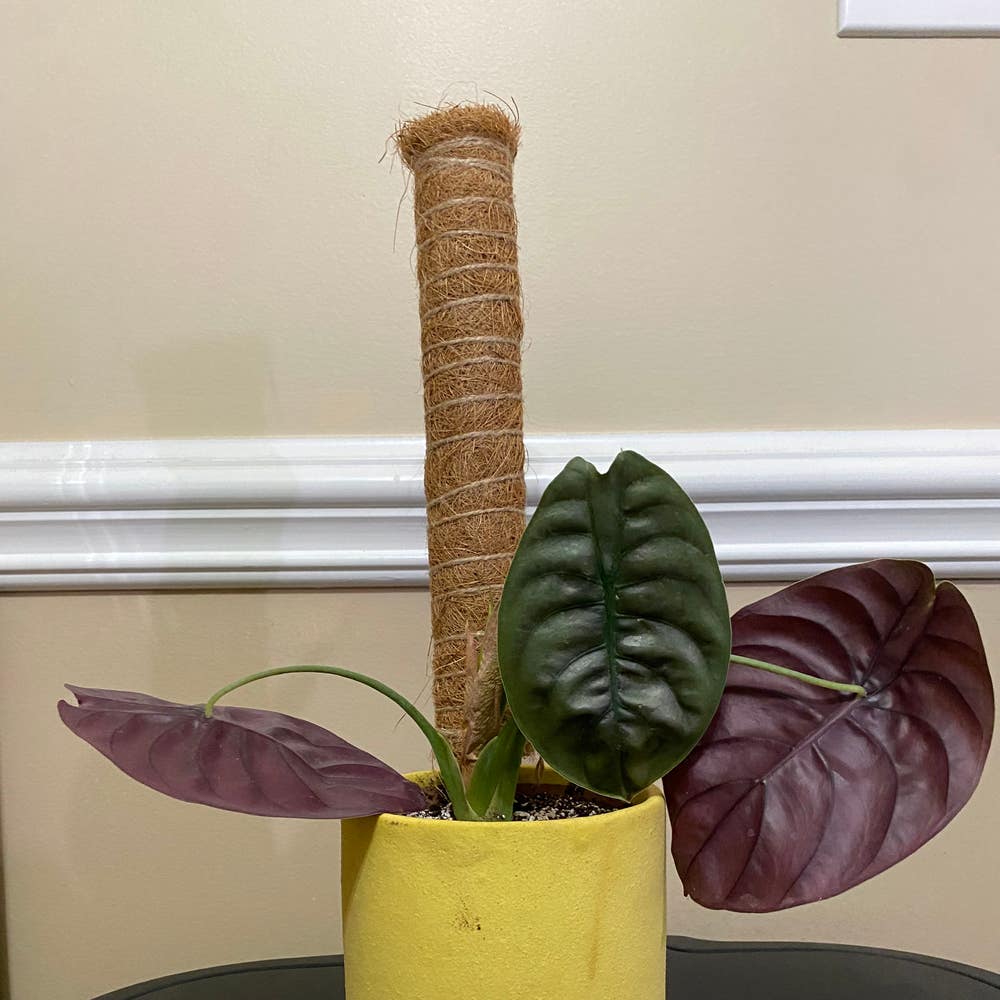
Alocasia cuprea
By the Greg Editorial Team
Oct 08, 2024•5 min read
This article was created with the help of AI so we can cover more plants for you. May contain errors. See one? Report it here.
Master mirror plant propagation 🌱 with simple techniques for cuttings, seeds, and water to grow your green oasis!
- 🌱 Choose healthy 4-6 inch stems and cut below a node for best results.
- 💧 Maintain 70-80% humidity and bright, indirect light for successful rooting.
- 🌿 Monitor for pests and treat promptly to ensure healthy mirror plant growth.
Propagating from Cuttings
🌱 Step-by-step guide for taking cuttings
Taking cuttings is a straightforward way to propagate your mirror plant. Start by selecting healthy stems that are at least 4-6 inches long and free from pests or diseases.
Next, grab some clean, sharp pruning shears. Make your cut just below a node, which is where new growth will emerge.
After cutting, remove the lower leaves to expose the node. This step is crucial for successful rooting. If you want to boost your chances, consider dipping the cut end in rooting hormone.
🌞 Ideal conditions for rooting cuttings
Creating the right environment is key to successful propagation. Ensure your cuttings receive bright, indirect sunlight to encourage growth.
Humidity plays a significant role as well. Aim to maintain humidity levels around 70-80% to help your cuttings thrive. Additionally, use a well-draining potting mix to prevent root rot.
⏳ Timeframe for rooting
Patience is essential when propagating from cuttings. Typically, rooting takes about 2-4 weeks.
To check for roots, gently tug on the cutting. If you feel resistance, that’s a good sign that roots are developing.
With the right steps and conditions, you’ll be well on your way to growing new mirror plants from cuttings. Next, let’s explore how to propagate from seeds for even more plant options!
Propagating from Seeds
How to collect and prepare seeds 🌱
Collecting seeds is the first step in propagating your mirror plant. Harvest seeds from mature fruits, ensuring they are fully ripe for the best results.
Once collected, clean the seeds to remove any pulp. This step is crucial as it prevents mold and ensures the seeds can dry properly.
Germination process for seeds 🌧️
To kickstart germination, soak the seeds in water for 24 hours. This helps to soften the seed coat, promoting quicker sprouting.
Next, plant the seeds about 1/4 inch deep in the soil. After planting, keep the soil consistently moist to encourage healthy growth.
Best soil mix for seed propagation 🪴
For optimal seed propagation, use a well-draining seed starting mix. This type of soil provides the right balance of moisture retention and drainage.
Consider mixing in perlite or vermiculite to enhance aeration and drainage. These additives can significantly improve seedling health and growth rates.
With these steps, you're well on your way to successfully propagating your mirror plant from seeds. Next, let’s explore the fascinating world of water propagation!
Water Propagation
🌊 How to propagate in water
Water propagation is a straightforward method that many plant enthusiasts love. Start by preparing cuttings just like you would for soil propagation.
- Prepare cuttings: Select healthy stems and cut them just below a node.
- Container: Use a clear glass or jar to allow light to reach the cuttings.
- Water change: Change the water every few days to keep it fresh and oxygenated.
🌱 Transitioning from water to soil
Once your cuttings have developed roots, it's time to transition them to soil.
- Timing: Wait until roots are about 2-3 inches long before transplanting.
- Soil preparation: Use a well-draining potting mix to ensure healthy growth.
- Planting: Gently remove the cutting from the water and place it in the soil, being careful not to damage the roots.
👀 Signs of successful water propagation
Monitoring your cuttings will help you determine if the propagation is successful.
- Root development: Look for healthy, white roots that are at least 2-3 inches long.
- Leaf health: Ensure the leaves remain vibrant and green, indicating that the cutting is thriving.
With these steps, you'll be well on your way to successfully propagating your mirror plant in water. Next, let’s explore the best timing and conditions for propagation to maximize your success!
Timing and Conditions for Propagation
🌱 Best Time of Year for Propagation
Early spring or late summer is the prime time for propagating your mirror plant. During these seasons, the plant is naturally more active, increasing your chances of successful growth.
🌤️ Environmental Conditions
Light Requirements During Propagation
Bright, indirect light is essential for healthy propagation. Too much direct sunlight can scorch the leaves, while too little can hinder growth.
🌡️ Temperature and Humidity Needs
Aim for a temperature range of 65°F to 75°F (18°C to 24°C) for optimal growth. Additionally, maintaining humidity levels around 70-80% will create a nurturing environment for your cuttings or seeds.
Understanding these timing and environmental factors can significantly enhance your propagation success. With the right conditions, your mirror plant will thrive, setting the stage for a lush and vibrant garden.
Troubleshooting Common Issues
🎲 Low Success Rates
Propagation can sometimes feel like a game of chance. If you’re experiencing low success rates, it’s essential to identify the root causes.
🔍 Identifying Causes of Failure in Propagation
One common issue is overwatering. If you notice yellowing leaves, it’s a clear sign that your cuttings are drowning.
Another culprit is insufficient light. Stretched or leggy cuttings indicate they’re reaching for more light, which can hinder their growth.
🐛 Pests and Diseases
Pests can be a significant barrier to successful propagation. One of the most common offenders is aphids.
🦠 Common Pests Affecting Propagated Plants
Aphids are small, green insects that can weaken your plants. They often cluster on new growth, sucking the sap and stunting development.
🛡️ Preventative Measures and Treatments
Regular inspection is your best defense against pests. Make it a habit to check your plants frequently.
If you spot any pests, treat them promptly with insecticidal soap. This simple step can save your propagated plants from further damage.
By staying vigilant and addressing these common issues, you can boost your propagation success and enjoy thriving plants. Now, let’s explore the best timing and conditions for propagation to ensure your efforts yield fruitful results.
⚠️ Safety First
This content is for general information and may contain errors, omissions, or outdated details. It is not medical, veterinary advice, or an endorsement of therapeutic claims.
Always consult a qualified healthcare professional before using any plant as food, medicine, or supplement.
Never eat any plant (or feed one to pets) without confirming its identity with at least two trusted sources.
If you suspect poisoning, call Poison Control (800) 222-1222, the Pet Poison Helpline (800) 213-6680, or your local emergency service immediately.
Spotted an error? Please report it here.
Propagating your mirror plant is a breeze 🌿 with Greg's personalized tips and reminders for optimal cutting care and environmental conditions to ensure your new plants thrive!