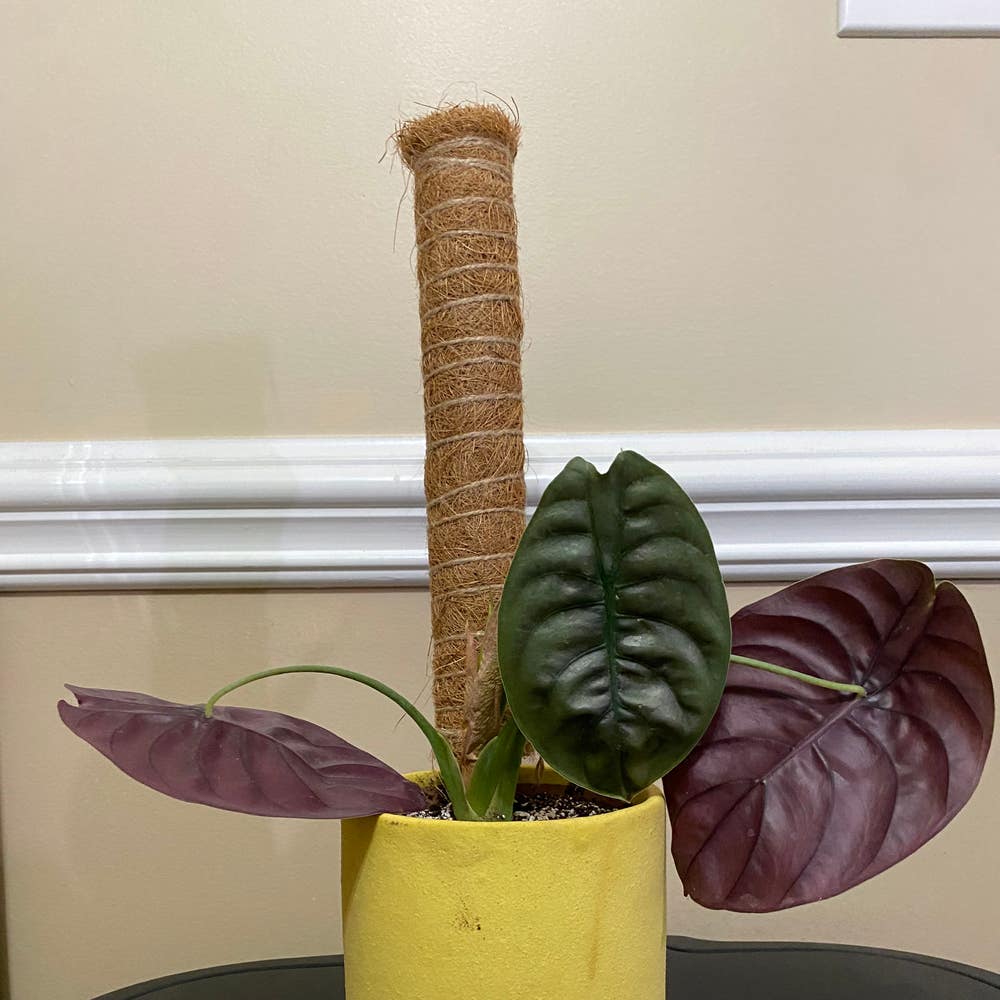
🪞 How Big a Mirror Plant Gets
Alocasia cuprea
By the Greg Editorial Team
Oct 09, 2024•4 min read
This article was created with the help of AI so we can cover more plants for you. May contain errors. See one? Report it here.
Transform your garden with mirror plants 🌿, mastering growth techniques for any space and stunning displays!
- 🌳 Mirror plants can reach 10 feet tall under optimal conditions; size varies by care.
- 🌞 Sunlight, soil, and pruning significantly influence the mature size of mirror plants.
- 🌱 Dwarf varieties grow under 3 feet, perfect for smaller spaces and easy maintenance.
Growth Rate and Time to Full Size
🌳 Mature Height and Spread
The mirror plant can reach a typical mature height of up to 10 feet under optimal conditions. Its average spread ranges from 4 to 6 feet wide, making it a substantial presence in any garden.
Several factors influence these mature dimensions. The age of the plant plays a crucial role, as older plants tend to grow larger. Additionally, growing conditions, such as sunlight and soil quality, significantly affect size. Pruning practices also contribute to how tall and wide the plant can become.
🌦️ Size Variability Based on Conditions
Environmental factors greatly impact the size of mirror plants. For instance, growth habits can vary dramatically in different climates, with some areas promoting more robust growth than others.
Soil type and quality are also vital. Well-drained soil encourages healthy growth, while compacted soil can stunt development. Furthermore, watering practices directly influence the growth rate, with consistent moisture leading to more vigorous plants.
Consider the difference between plants in shaded areas versus those basking in full sun. The latter typically grows larger and healthier. Similarly, the contrast between well-drained soil and compacted soil highlights how crucial the right conditions are for optimal growth.
Understanding these factors can help you manage your mirror plant's growth effectively. By tailoring care to its environment, you can achieve the desired size and health for your garden.
Varieties of Mirror Plant
🌱 Dwarf Varieties and Their Characteristics
Dwarf mirror plants typically grow to a height of under 3 feet, making them perfect for smaller gardens or container arrangements. These compact varieties thrive in well-drained soil and benefit from ample sunlight, although they can tolerate partial shade.
Dwarf varieties exhibit a bushy growth habit, often producing dense foliage that adds a lush appearance to any space. Popular options include Coprosma repens 'Tequila Sunrise', known for its vibrant color, and Coprosma 'Pacific Sunrise', which features striking variegated leaves.
🌳 Giant Varieties and Their Characteristics
On the other end of the spectrum, giant mirror plants can exceed 10 feet in height, creating a dramatic focal point in larger landscapes. These varieties prefer full sun and rich, well-drained soil to reach their full potential.
Giant varieties, such as Coprosma 'Evening Glow', are known for their impressive stature and vibrant foliage. They require more space and regular maintenance to manage their growth effectively, making them ideal for expansive gardens or as privacy screens.
Understanding the differences between dwarf and giant varieties can help you choose the right mirror plant for your garden. Whether you're looking for a compact beauty or a towering statement piece, there's a mirror plant variety that fits your needs perfectly.
Next, let's explore effective size control techniques to keep your mirror plants looking their best.
Size Control Techniques
Pruning Methods for Size Management 🌿
Pruning is essential for controlling the height and spread of your mirror plant. The best time to prune is early spring, just before the growing season kicks in.
To get started, you'll need clean, sharp pruning shears. This ensures a clean cut, which helps the plant heal faster.
When pruning, focus on selective trimming of branches. This technique allows you to shape the plant while promoting healthy growth.
Regular pruning not only maintains your desired size but also encourages bushier growth. This keeps your mirror plant looking vibrant and full.
Other Techniques to Control Growth 📏
In addition to pruning, consider using growth regulators. These products can effectively manage plant size by slowing down growth rates.
Container gardening is another excellent method for size limitation. By restricting root space, you can keep your mirror plant smaller and more manageable.
Lastly, strategic placement in your garden can influence growth. Positioning your plant in a less favorable spot can naturally limit its size while still allowing it to thrive.
Understanding these techniques empowers you to cultivate a mirror plant that fits perfectly within your space. With the right care, you can enjoy a beautiful, well-sized plant that enhances your garden.
Common Misconceptions
Myths About Size 🌱
One common misconception is that all Mirror Plants will reach a towering height of 10 feet. In reality, size varies significantly based on the specific variety and growing conditions.
Another myth is that dwarf varieties are merely smaller versions of their giant counterparts. However, these dwarf varieties possess distinct growth habits and care requirements that set them apart.
Clarifying Growth Expectations 📏
When it comes to growth expectations, it's crucial to consider environmental factors. Different climates, soil types, and care practices can dramatically influence how large your Mirror Plant will grow.
Understanding the individual needs of your plant is essential for effective size management. Regularly monitoring growth and adjusting care practices can help you achieve the desired size and health for your Mirror Plant.
By staying informed and proactive, you can cultivate a thriving plant that fits perfectly in your garden.
⚠️ Safety First
This content is for general information and may contain errors, omissions, or outdated details. It is not medical, veterinary advice, or an endorsement of therapeutic claims.
Always consult a qualified healthcare professional before using any plant as food, medicine, or supplement.
Never eat any plant (or feed one to pets) without confirming its identity with at least two trusted sources.
If you suspect poisoning, call Poison Control (800) 222-1222, the Pet Poison Helpline (800) 213-6680, or your local emergency service immediately.
Spotted an error? Please report it here.
Manage your mirror plant's size effortlessly 🌱 with Greg's customized care tips and watering reminders, ensuring it thrives beautifully in your garden!