Mirror Plant Is Not an Annual
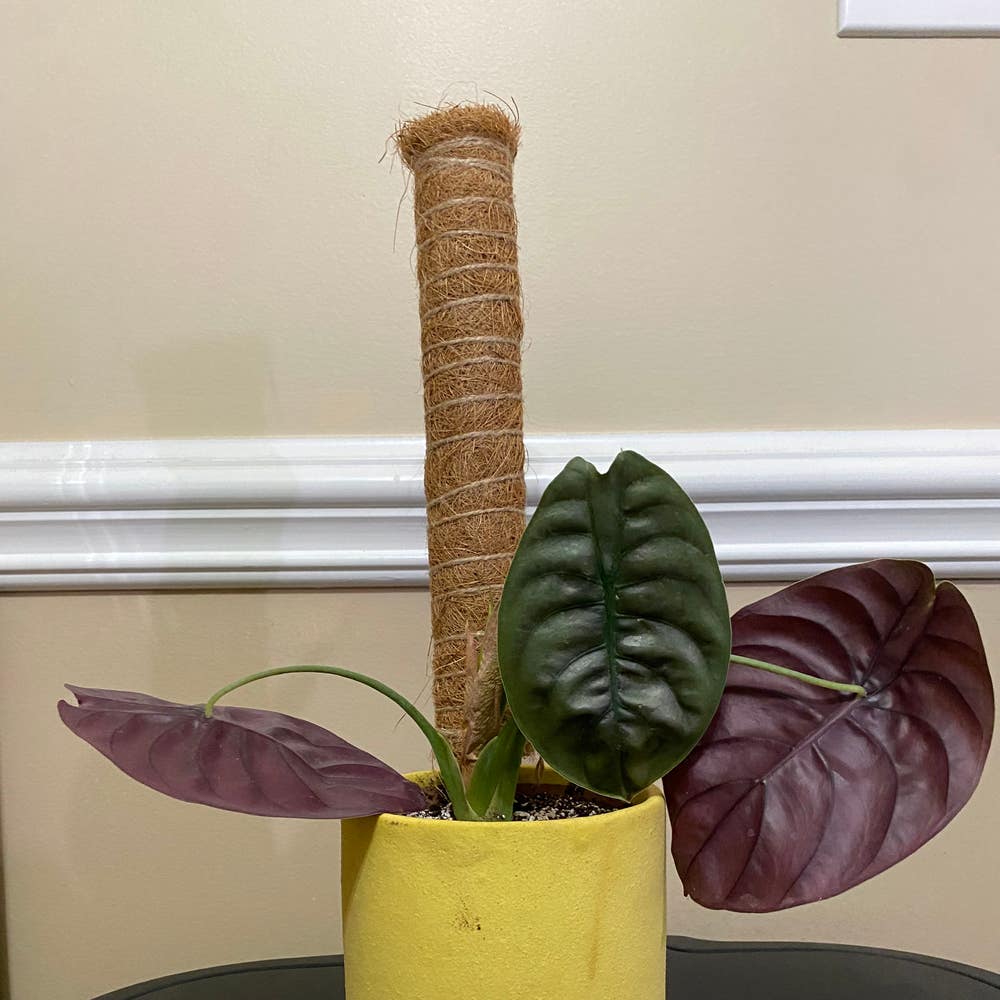
Alocasia cuprea
By the Greg Editorial Team
Oct 09, 2024•4 min read
This article was created with the help of AI so we can cover more plants for you. May contain errors. See one? Report it here.
Transform your garden with the resilient Mirror Plant, ensuring beauty and stability through every season! 🌱
- 🌱 Mirror Plants are perennials, thriving for years unlike short-lived annuals.
- 🌿 Robust root systems ensure nutrient uptake and stability for long-term growth.
- 🌼 Multiple flowering cycles enhance biodiversity, attracting pollinators to your garden.
Mirror Plant Characteristics
Genetic Traits 🧬
The Mirror Plant boasts a unique chromosomal structure that allows it to thrive over the long term. This genetic adaptability is crucial for its survival in various environmental conditions.
Physiological Traits 🌱
One of the standout features of the Mirror Plant is its robust root system, which ensures effective nutrient uptake and stability. Additionally, its leaf structure is specially adapted for water retention and efficient photosynthesis, making it well-suited for diverse climates.
Long-Term Lifecycle ⏳
Understanding the Mirror Plant's lifecycle is essential for gardeners. It progresses through distinct growth phases: initial establishment, mature growth, and reproductive stages, each contributing to its longevity.
This plant can live for several years, enhancing garden stability and providing a reliable presence in your landscape. Its enduring nature makes it a valuable addition to any garden setting, ensuring beauty and resilience through the seasons.
As we explore its lifecycle further, we’ll compare its growth patterns to those of annuals, highlighting the unique advantages of this remarkable plant.
Lifecycle Comparison
Growth Patterns vs. Annuals 🌱
Mirror plants exhibit a slower initial growth rate compared to annuals, but this is part of their long-term strategy. While annuals burst forth with rapid growth, mirror plants take their time, establishing a robust foundation that supports sustained growth over the years.
In terms of seasonal behavior, mirror plants enter a dormancy phase during winter. This contrasts sharply with annuals, which typically complete their life cycle within a single growing season, thriving continuously until frost.
Reproductive Strategies 🌼
When it comes to seed production, mirror plants have a unique advantage. They engage in multiple flowering cycles, which leads to staggered seed release, ensuring a steady supply of new plants over time.
Pollination methods also play a crucial role in their lifecycle. Mirror plants attract a variety of pollinators throughout the seasons, enhancing their reproductive success and contributing to the overall biodiversity of the garden.
Understanding these growth patterns and reproductive strategies is essential for gardeners. It helps in planning and managing these plants effectively, ensuring they thrive in your garden for years to come.
Next, we’ll explore the regional variations and misconceptions surrounding mirror plants, shedding light on how different climates can influence their growth.
Regional Variations and Misconceptions
🌡️ Conditions Leading to Misclassification
Extreme climates can significantly impact the Mirror Plant's lifespan. In harsh conditions, such as intense heat or frost, these plants may struggle, leading to misconceptions about their longevity.
Mismanagement also plays a crucial role in how the Mirror Plant is perceived. Poor care practices, like inadequate watering or improper soil conditions, can stunt growth and create the illusion that these plants are less resilient than they truly are.
🌍 Exceptions in Different Climates
The adaptability of the Mirror Plant is remarkable. Environmental factors, such as humidity and temperature, can influence its growth cycle, allowing it to thrive in various settings.
Regional classifications further complicate perceptions. Local gardening practices often dictate how the Mirror Plant is treated, leading to different experiences and outcomes based on geographic location. Understanding these nuances can help gardeners appreciate the true potential of this resilient plant.
As we explore gardening implications, it's essential to recognize how these regional variations can inform your approach to cultivating the Mirror Plant effectively.
Gardening Implications
🌼 Advantages in Garden Design
Mirror plants offer significant advantages in garden design. Their long-term presence creates stability, making them a reliable choice for any garden bed.
Additionally, these plants provide aesthetic value with their continuous blooms and lush foliage throughout the seasons. This means your garden remains vibrant and lively, even as other plants fade.
🌱 Planning for Perennial Growth
Incorporating mirror plants into mixed perennial beds requires thoughtful design strategies. Consider their growth cycle to ensure they complement other plants effectively.
Seasonal planning is crucial for optimal placement. Understanding when the mirror plant thrives will help you create a harmonious garden that flourishes year-round.
By leveraging these insights, you can maximize the beauty and longevity of your garden. With the right approach, mirror plants can become a cornerstone of your gardening success.
Management Tips
Best Practices for Longevity 🌱
Maintaining soil health is crucial for the Mirror Plant's success. Ensure you use well-draining soil enriched with organic matter to promote robust growth.
Watering techniques also play a significant role. Aim for consistent moisture without waterlogging, as this can lead to root rot and other issues.
Seasonal Care Considerations 🍂
Pruning is essential for keeping your Mirror Plant healthy and shapely. Timing is key; prune during the growing season to encourage new growth and maintain its form.
Fertilization should be tailored to the plant's needs. Apply appropriate nutrients during the growing seasons to support vigorous development and flowering.
By following these management tips, you can ensure your Mirror Plant thrives, enhancing your garden's beauty and stability. Next, let’s explore the advantages of incorporating this resilient plant into your garden design.
⚠️ Safety First
This content is for general information and may contain errors, omissions, or outdated details. It is not medical, veterinary advice, or an endorsement of therapeutic claims.
Always consult a qualified healthcare professional before using any plant as food, medicine, or supplement.
Never eat any plant (or feed one to pets) without confirming its identity with at least two trusted sources.
If you suspect poisoning, call Poison Control (800) 222-1222, the Pet Poison Helpline (800) 213-6680, or your local emergency service immediately.
Spotted an error? Please report it here.
Embrace the longevity of your Mirror Plants 🌿 by using Greg's tailored watering plans and care reminders to ensure they flourish beautifully for years to come!