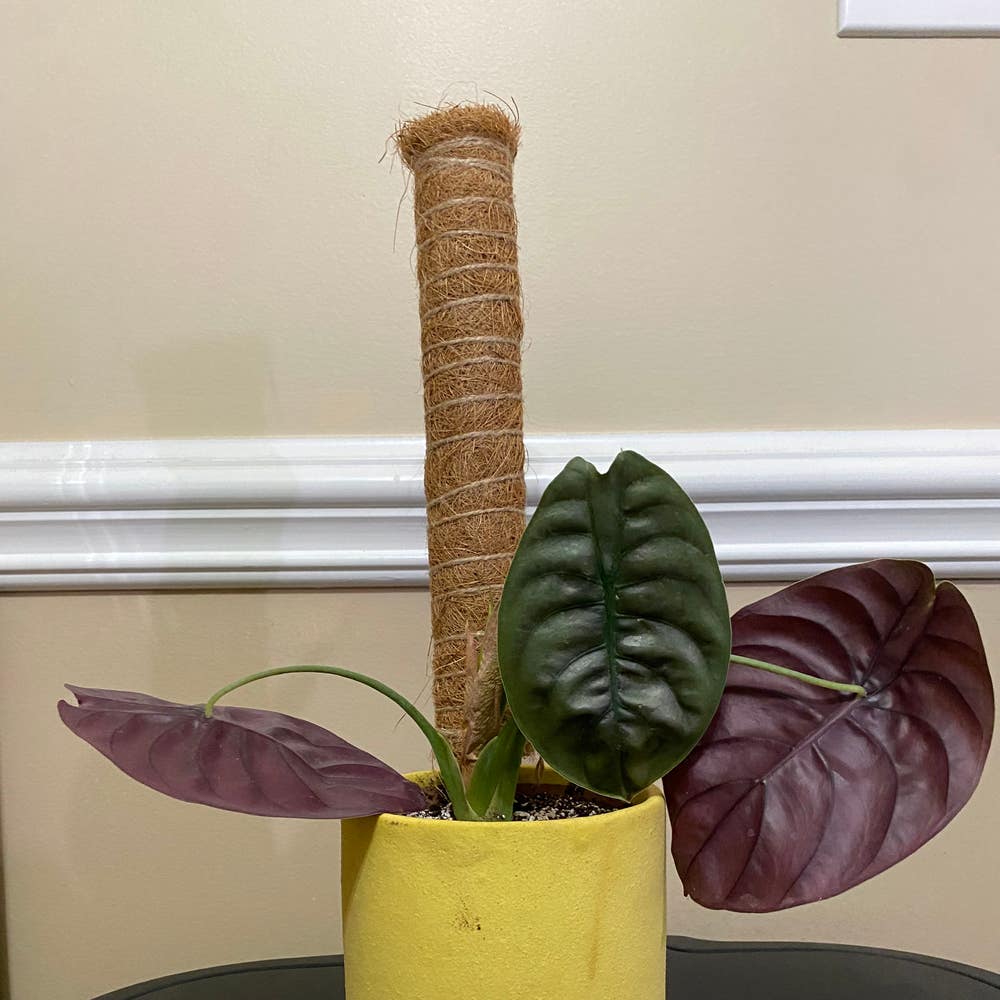
✨ 3 Indoor Mirror Plant Care Dos and Don'ts
Alocasia cuprea
By the Greg Editorial Team
Oct 09, 2024•5 min read
This article was created with the help of AI so we can cover more plants for you. May contain errors. See one? Report it here.
Unlock your indoor mirror plant's potential with essential light and care tips for vibrant growth! 🌱
- 🌞 Bright, indirect sunlight is essential; low light leads to stunted growth.
- 💧 Water every 1-2 weeks, allowing soil to dry out for optimal health.
- 🌿 Maintain humidity between 60-80% to prevent leaf curling and browning tips.
Light Requirements
Optimal Indoor Light Levels 🌞
For indoor mirror plants, bright, indirect sunlight is the golden standard. If you notice stunted growth, leggy stems, or faded leaf color, it’s a clear sign your plant isn’t getting enough light.
Role of Grow Lights 💡
When natural light falls short—especially during winter months or in low-light homes—grow lights become essential. They provide consistent illumination, ensuring your plants thrive even when the sun doesn’t shine.
Choosing the Best Grow Light 🛠️
There are two main types of grow lights: LED and fluorescent. Opt for full-spectrum lights with a color temperature between 5000-6500K for the best results.
Placement of Grow Lights
Position your grow lights 12-24 inches above your plants. Be ready to adjust the height based on how your plants respond to the light.
Understanding light requirements is crucial for your indoor mirror plant's health. With the right light conditions, your plants will flourish, setting the stage for the next important aspect: watering needs.
Watering Needs
Frequency and Amount 🌊
Watering your indoor mirror plant is crucial for its health. Allow the top 1-2 inches of soil to dry out between waterings to prevent over-saturation.
As a general rule, aim to water every 1-2 weeks. Adjust this schedule based on your home's humidity and temperature conditions.
Signs of Overwatering and Underwatering 🚨
Recognizing the signs of overwatering can save your plant from serious damage. Look for yellowing leaves, wilting, and root rot as key indicators.
On the flip side, underwatering manifests as crispy leaf edges, drooping foliage, and dry soil. Keep an eye on these symptoms to ensure your plant thrives.
By mastering the watering needs of your indoor mirror plant, you set the stage for vibrant growth and lush foliage. Next, let’s explore how humidity and temperature play a vital role in your plant’s overall health.
Humidity and Temperature
Ideal Humidity Levels 🌧️
For indoor mirror plants, maintaining humidity levels between 60-80% is crucial for optimal growth. If your home feels dry, consider using pebble trays, humidifiers, or simply grouping your plants together to create a mini-ecosystem.
Temperature Range for Optimal Growth 🌡️
The ideal temperature for these plants ranges from 65°F to 80°F (18°C to 27°C). If you notice leaf curling, browning tips, or slowed growth, your plant may be experiencing temperature stress.
Maintaining the right humidity and temperature can make a significant difference in your plant's health. With the right conditions, your indoor mirror plant will thrive, setting the stage for vibrant growth and lush foliage.
Next, let’s dive into the essential aspects of soil and fertilization to keep your plants nourished and happy.
Soil and Fertilization
Best Soil Type 🌱
Choosing the right soil is crucial for your indoor mirror plant's health. A well-draining potting mix enriched with organic matter, such as peat moss and perlite, is ideal.
Good drainage is essential; it prevents root rot and promotes robust growth. Without it, your plant could struggle, leading to a host of problems.
Fertilization Schedule and Types 🧪
Fertilizing your plant correctly can make a world of difference. Aim to fertilize every 4-6 weeks during the growing season, which typically spans spring and summer.
Opt for a balanced liquid fertilizer, like NPK 20-20-20, but remember to dilute it to half strength. This approach ensures your plant gets the nutrients it needs without the risk of over-fertilization.
By paying attention to soil and fertilization, you set the stage for a thriving indoor mirror plant. Next, let's explore common issues and solutions to keep your plant in top shape.
Common Issues and Solutions
🐛 Pests and Diseases
Common Pests
Indoor plants can fall victim to a few notorious pests. Keep an eye out for spider mites, aphids, and mealybugs, which can wreak havoc on your greenery.
Signs of Infestation
Look for sticky residue on leaves, webbing, or even visible insects. These signs indicate that your plant needs immediate attention.
🛡️ Prevention and Treatment Methods
Regular Inspections and Cleaning
Make it a habit to inspect your plants regularly. Wiping leaves with a damp cloth not only removes dust but also helps you spot any potential issues early.
Treatment Options
If you do find pests, consider using neem oil or insecticidal soap. You can also introduce beneficial insects like ladybugs, which are natural predators to many common pests.
🌪️ Environmental Stress
Signs of Stress
Your plants can also show signs of environmental stress. Watch for leaf curling, browning tips, and stunted growth, which indicate that something is off.
Solutions for Maintaining Optimal Conditions
To combat these issues, adjust humidity levels using humidifiers or pebble trays. If your plant is struggling, try relocating it to a brighter area or supplementing with grow lights.
By staying vigilant and proactive, you can keep your indoor plants thriving and beautiful. Next, let’s explore the best practices for placement and maintenance to ensure your plants continue to flourish.
Placement and Maintenance
🌍 Best Locations in the Home
Finding the right spot for your indoor mirror plant is crucial. Aim for locations near east or west-facing windows to maximize light and humidity.
Avoid placing your plant in drafty areas or direct sunlight. This helps protect it from extreme temperature fluctuations that can hinder growth.
🧹 Tips for Maintaining Appearance
✂️ Pruning and Cleaning Leaves
Regularly check your plant for yellow or damaged leaves. Removing these not only keeps your plant looking fresh but also encourages new growth.
To enhance photosynthesis, clean the leaves with a damp cloth. This simple step removes dust and allows your plant to breathe better.
🌱 Repotting Guidelines
Plan to repot your mirror plant every 1-2 years or when it becomes root-bound. This ensures it has enough space to thrive.
When repotting, choose a pot that is 1-2 inches larger in diameter. Refresh the soil and ensure proper drainage to promote healthy root development.
By following these placement and maintenance tips, your indoor mirror plant will flourish, bringing beauty and life to your space. Next, let’s explore the watering needs to keep your plant hydrated and happy.
⚠️ Safety First
This content is for general information and may contain errors, omissions, or outdated details. It is not medical, veterinary advice, or an endorsement of therapeutic claims.
Always consult a qualified healthcare professional before using any plant as food, medicine, or supplement.
Never eat any plant (or feed one to pets) without confirming its identity with at least two trusted sources.
If you suspect poisoning, call Poison Control (800) 222-1222, the Pet Poison Helpline (800) 213-6680, or your local emergency service immediately.
Spotted an error? Please report it here.
Transform your indoor mirror plant care into a thriving oasis 🌿 with Greg's tailored reminders and expert tips that ensure your plant flourishes beautifully!