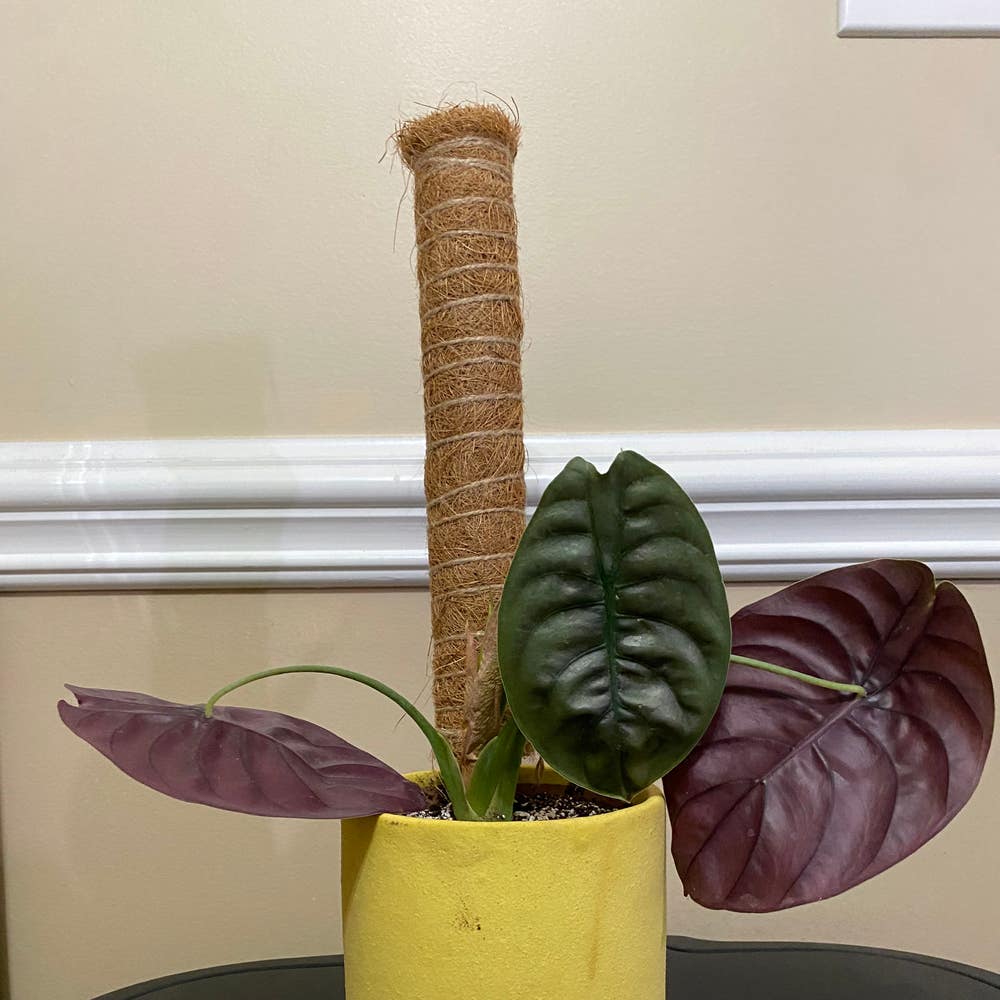
✨ 4 Tips to Save Your Mirror Plant from Dying
Alocasia cuprea
By the Greg Editorial Team
Oct 09, 2024•5 min read
This article was created with the help of AI so we can cover more plants for you. May contain errors. See one? Report it here.
Master mirror plant care by spotting health issues early and keeping your greenery thriving! 🌱
- 🌱 Recognize symptoms like yellowing leaves and wilting to save your mirror plant.
- 💧 Watering issues cause root rot or wilting; balance is key for health.
- 🌞 Light conditions matter—too little or too much can harm your plant.
Signs of Unhealthy Mirror Plants
Symptoms 🌱
Recognizing the signs of an unhealthy mirror plant is crucial for timely intervention.
Yellowing leaves often indicate overwatering or a nutrient deficiency. If you notice this, it’s a red flag that your plant needs immediate attention.
Leaf drop can signal stress from pests or unfavorable environmental conditions. Keep an eye out for this symptom, as it can escalate quickly.
Wilting is another common issue, typically a sign of underwatering or root problems. If your plant looks droopy, it’s time to reassess your watering routine.
Lastly, fuzzy growth may indicate fungal infections or pest infestations. This is a serious concern that requires prompt action to prevent further damage.
By being vigilant about these symptoms, you can help your mirror plant thrive and avoid more severe issues down the line. Next, let's explore common problems that can affect your plant's health.
Common Problems
💧 Incorrect Watering
Identifying Issues
Overwatering can lead to yellowing leaves, mushy stems, and root rot. Conversely, underwatered plants may exhibit wilting, dry leaves, and crispy edges.
Causes
Poor drainage in pots often results in water accumulation. Additionally, inconsistent watering schedules, especially during seasonal changes, can exacerbate these issues.
Solutions
- Check soil moisture; if it's soggy, reduce watering.
- Gradually increase watering frequency for underwatered plants.
- Use well-draining soil and pots with drainage holes.
💡 Incorrect Light Conditions
Symptoms
Insufficient light can cause leggy growth, yellowing leaves, and slow growth. On the other hand, excessive light may scorch leaves, fade colors, and lead to leaf drop.
Causes
Plants placed in too dark or too bright areas struggle to thrive. Seasonal changes can also affect light availability.
Solutions
- Move your plant to a location with bright, indirect light.
- Use sheer curtains to diffuse harsh sunlight.
- Rotate the plant regularly for even light exposure.
🌡️ Incorrect Temperature
Signs of Stress
Leaves curling or dropping often indicate temperatures outside the ideal range. Stunted growth can result from prolonged exposure to unsuitable temperatures.
Causes
Exposure to drafts or sudden temperature changes can stress your plant. Inadequate heating or cooling in the growing environment also plays a role.
Solutions
- Maintain indoor temperatures between 65°F to 75°F (18°C to 24°C).
- Use heaters or fans to stabilize temperature fluctuations.
- Avoid placing plants near windows or doors that experience drafts.
🐛 Pests
Common Pests
Aphids are small, green insects that suck sap from leaves. Spider mites are tiny, web-spinning pests that cause stippling on leaves.
Identification
Look for visible insects on leaves or webbing. Leaf damage, such as discoloration or holes, can also indicate a pest problem.
Treatment
- Spray with insecticidal soap or neem oil for aphids.
- Increase humidity to deter spider mites.
- Regularly inspect plants and remove affected leaves.
🦠 Diseases
Common Diseases
Powdery mildew manifests as white, powdery spots on leaves. Rust appears as orange or brown spots on the underside of leaves.
Symptoms and Causes
Powdery mildew is often caused by high humidity and poor air circulation. Rust is linked to excessive moisture and poor drainage.
Treatment and Prevention
- Improve air circulation around plants.
- Use fungicides for severe infections.
- Ensure proper watering techniques to avoid excess moisture.
🌱 Root Problems
Identifying Issues
Root rot presents as dark, mushy roots that emit a foul odor. Squishy roots indicate overwatering and poor drainage.
Causes
Overwatering and lack of drainage are primary culprits. Soil compaction can also prevent root aeration.
Solutions
- Remove the plant from its pot and inspect roots.
- Trim away rotten roots and repot in fresh, well-draining soil.
- Adjust watering habits to prevent recurrence.
🍃 Leaf Issues
Symptoms
Scorching appears as brown edges or tips on leaves due to excessive light. Yellowing often signals nutrient deficiency or overwatering.
Causes
Inconsistent watering or nutrient imbalances can lead to these issues. Environmental stress from pests or diseases also plays a role.
Solutions
- Adjust light exposure to prevent scorching.
- Fertilize with a balanced nutrient solution for yellowing leaves.
- Treat fuzzy growth with appropriate fungicides or pest control methods.
📉 Growth Problems
Identifying Issues
Stagnation can indicate poor light or nutrient levels. Leaning or leggy growth often results from insufficient light or overcrowding.
Causes
Poor environmental conditions, such as light and temperature, can hinder growth. Nutrient deficiencies or overwatering also contribute.
Solutions
- Ensure adequate light and temperature conditions.
- Fertilize regularly during the growing season.
- Prune leggy growth to encourage bushier growth.
By addressing these common problems, you can help your mirror plant thrive. Next, let’s explore preventive measures to keep your plant healthy and vibrant.
Preventive Measures
Best Practices 🌱
To keep your mirror plant thriving, start with well-draining soil and pots that have drainage holes. This simple step prevents water accumulation, which can lead to root rot.
Consistent watering is key. Regularly monitor moisture levels to ensure your plant gets just the right amount of water, avoiding both over and underwatering.
Importance of Monitoring 👀
Stay vigilant by regularly checking for pests, diseases, and environmental conditions. Early detection is crucial; it can save your plant from severe issues down the line.
Monitoring not only promotes plant health but also enhances your gardening experience. You'll become more attuned to your plant's needs, fostering a deeper connection.
Using the Greg Plant Care App 📱
Consider leveraging the Greg Plant Care App to streamline your plant care routine. Set reminders for watering, fertilizing, and monitoring your plant's health.
The app's features allow you to track growth and care schedules effectively. This tech-savvy approach can make plant care feel less daunting and more enjoyable.
By implementing these preventive measures, you can create a nurturing environment for your mirror plant. Next, let’s dive into the common problems that can arise and how to tackle them effectively.
⚠️ Safety First
This content is for general information and may contain errors, omissions, or outdated details. It is not medical, veterinary advice, or an endorsement of therapeutic claims.
Always consult a qualified healthcare professional before using any plant as food, medicine, or supplement.
Never eat any plant (or feed one to pets) without confirming its identity with at least two trusted sources.
If you suspect poisoning, call Poison Control (800) 222-1222, the Pet Poison Helpline (800) 213-6680, or your local emergency service immediately.
Spotted an error? Please report it here.
Keep your mirror plant thriving 🌿 by using Greg's personalized care reminders to monitor its health and ensure it gets the right watering and light conditions!