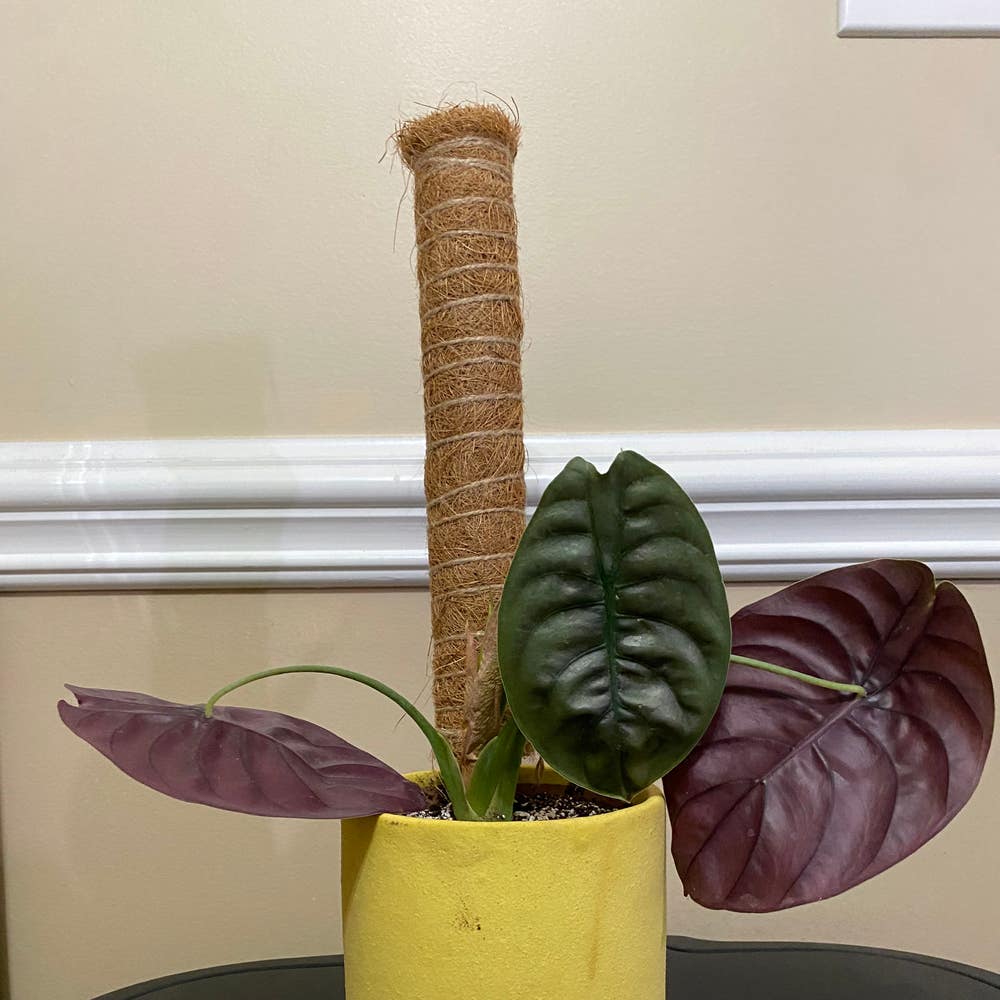
🪞 Ultimate Guide to Mirror Plant Roots
Alocasia cuprea
By the Greg Editorial Team
Oct 09, 2024•5 min read
This article was created with the help of AI so we can cover more plants for you. May contain errors. See one? Report it here.
Master your Mirror Plant's root care 🌱 for a thriving, resilient garden companion that flourishes in any environment!
- 🌱 Mirror Plant roots are shallow yet expansive, adapting to various soil types.
- 💧 Monitor soil moisture to prevent drought stress from rapid root spread.
- 🌿 Healthy roots indicate plant vigor; look for firm, light-colored roots.
Root System Characteristics
Type of Root System 🌱
The Mirror Plant features a fibrous root system that is both shallow and expansive. These roots spread widely, allowing the plant to adapt to various soil types and moisture levels effectively.
Root Depth and Spread 🌍
Typically, the root depth of the Mirror Plant is shallow but extensive. These roots can extend several feet horizontally, creating a robust network that supports the plant's growth.
Growth Patterns
In favorable conditions, the roots exhibit rapid spread. However, if not managed properly, this growth can lead to drought stress, highlighting the importance of monitoring soil moisture levels.
Understanding these root characteristics is crucial for successful cultivation and care of the Mirror Plant. With this knowledge, you can ensure a thriving plant that adapts well to its environment.
Next, we will explore the watering and fertilizing techniques that complement this unique root system.
Watering and Fertilizing Techniques
🌱 Impact of Root System on Watering Needs
Watering your Mirror Plant effectively hinges on understanding its fibrous root system. These roots thrive in consistent moisture but can suffer from waterlogging, so striking a balance is essential.
To ensure optimal growth, consider these techniques for effective watering:
- Deep watering: This encourages roots to spread deeper into the soil, promoting stability and resilience.
- Monitoring soil moisture levels: Regular checks help you avoid both drought stress and overwatering, keeping your plant happy.
🌿 Fertilizing Techniques Tailored to Root Health
Fertilizing is crucial for maintaining robust root health. A balanced NPK formula is your best bet, providing essential nutrients for growth.
Aim to fertilize monthly during the growing season. This routine supports root development and enhances the overall resilience of your Mirror Plant. Remember, healthy roots lead to a thriving plant, so don’t skip this vital step!
With proper watering and fertilizing techniques, your Mirror Plant will flourish, setting the stage for successful transplanting and maintenance.
Transplanting and Maintenance
🌱 Best Practices for Transplanting
Transplanting your Mirror Plant is best done in spring or fall. This timing allows the plant to establish itself before the stress of extreme temperatures.
Steps for Transplanting
Preparing the New Location: Start by amending the soil and ensuring proper drainage. This sets the stage for healthy root growth.
Carefully Removing the Plant: Take care to minimize root disturbance during this process. Gently loosen the soil around the roots to avoid damage.
Replanting: Ensure you plant at the correct depth and spacing. This helps the roots spread out and thrive in their new environment.
🌿 Recognizing and Addressing Rootbound Plants
A rootbound plant has roots that circle the pot, limiting its growth potential. This condition can lead to stunted growth and wilting, even if you’re watering adequately.
Indicators of Rootbound Plants
- Stunted Growth: If your plant isn’t growing as expected, it might be rootbound.
- Wilting: Look for signs of wilting despite consistent watering; this is a clear indicator.
Solutions for Rootbound Plants
Repotting into a Larger Container: This gives the roots more room to expand and access nutrients.
Pruning Roots: Trim back the roots to encourage new growth. This can rejuvenate the plant and improve its overall health.
Understanding how to transplant and manage rootbound conditions is essential for maintaining a healthy Mirror Plant. With these practices, you can ensure your plant thrives in its environment, setting the stage for robust growth and vitality.
Next, let’s explore common root-related issues that can affect your plant’s health.
Common Root-Related Issues
Identifying Problems 🌱
Root health is crucial for the vitality of your Mirror Plant. One of the most common issues is root rot, primarily caused by overwatering and poor drainage. Symptoms include wilting leaves and a foul smell emanating from the soil.
Another concern is pest infestations. Common pests like root aphids can wreak havoc on your plant's roots. Look for signs such as stunted growth and visible damage to the root system.
Tips for Prevention and Solutions 🛠️
Maintaining root health is easier than you might think. Start with proper watering techniques; ensure the soil dries out between waterings to prevent rot. Regularly inspect your plant for pests and diseases to catch any issues early.
For organic solutions, consider using neem oil for pest control. It’s effective and safe for your plant. Additionally, soil amendments can improve drainage, helping to keep your roots healthy and thriving.
By staying vigilant and proactive, you can ensure your Mirror Plant's roots remain robust and resilient. This sets the stage for a flourishing plant, ready to tackle whatever challenges come its way.
Next, let’s explore how to recognize and address rootbound plants, ensuring your Mirror Plant has the space it needs to grow.
Indicators of Root Health
👀 Visual Cues for Healthy vs Unhealthy Roots
Healthy roots are a sight to behold. They should feel firm and exhibit a white or light tan color, indicating vitality and proper function.
In contrast, unhealthy roots present a stark warning. Look for dark, mushy textures or foul odors, which signal decay and potential root rot.
📊 Other Indicators of Root Health
Beyond root appearance, overall plant vigor is crucial. A thriving plant showcases vibrant leaf color and robust growth rates, reflecting healthy roots below.
Soil moisture levels also play a pivotal role. Regularly monitoring moisture ensures roots receive the hydration they need without the risk of waterlogging, promoting optimal health.
Understanding these indicators empowers you to take proactive steps in nurturing your Mirror Plant. With a keen eye on root health, you can foster a flourishing, resilient plant ready to thrive in any environment.
⚠️ Safety First
This content is for general information and may contain errors, omissions, or outdated details. It is not medical, veterinary advice, or an endorsement of therapeutic claims.
Always consult a qualified healthcare professional before using any plant as food, medicine, or supplement.
Never eat any plant (or feed one to pets) without confirming its identity with at least two trusted sources.
If you suspect poisoning, call Poison Control (800) 222-1222, the Pet Poison Helpline (800) 213-6680, or your local emergency service immediately.
Spotted an error? Please report it here.
Nurture your Mirror Plant's root health 🌿 with Greg's tailored watering reminders and expert tips, ensuring it thrives with a robust and resilient root system!