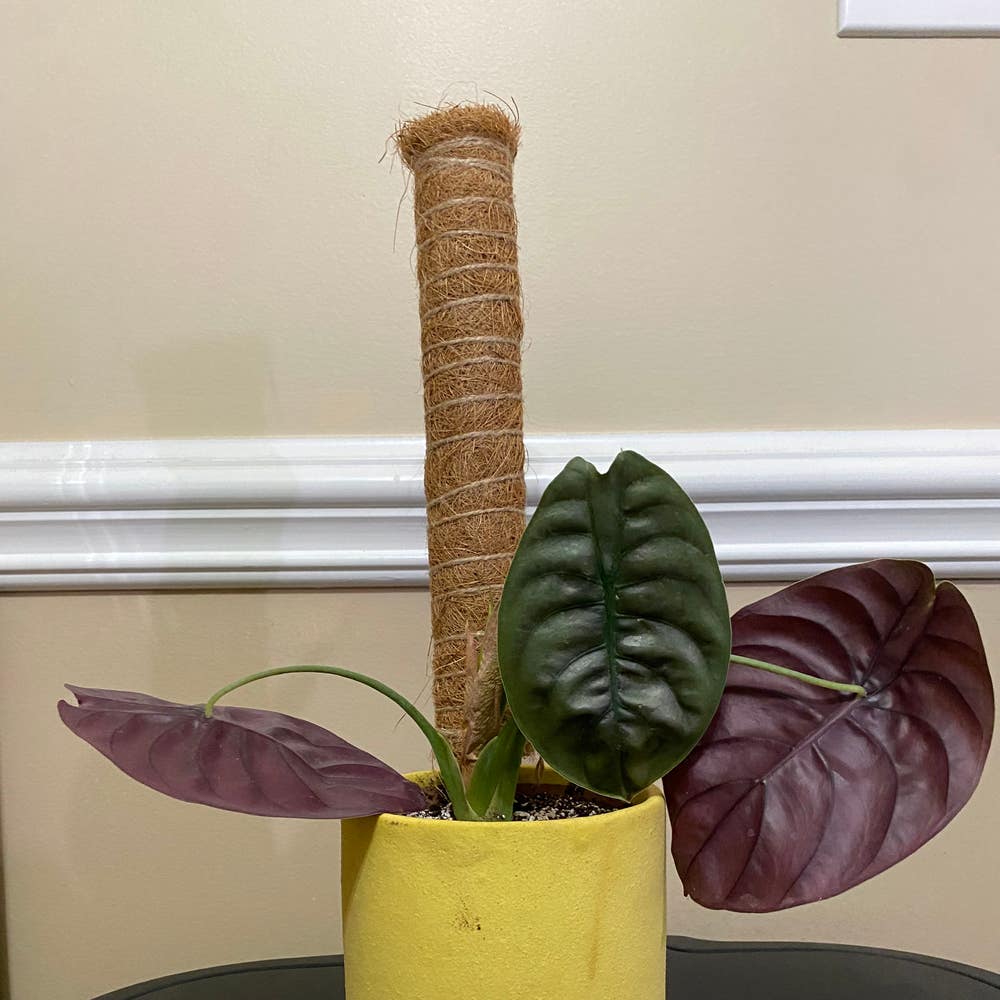
🪞 Mirror Plant - Ultimate Guide to Fertilizing
Alocasia cuprea
By the Greg Editorial Team
Oct 09, 2024•4 min read
This article was created with the help of AI so we can cover more plants for you. May contain errors. See one? Report it here.
Elevate your mirror plant's health 🌱 with expert fertilization techniques for vibrant growth and resilience!
- 🌱 Choose between organic and synthetic fertilizers for optimal mirror plant care.
- 🕒 Timing matters: Fertilize in spring and adjust for seasonal growth phases.
- 🚫 Avoid over-fertilization by recognizing symptoms like leaf burn and stunted growth.
Fertilization Techniques
🌱 Types of Fertilizers
When it comes to fertilizing your mirror plant, understanding the types of fertilizers available is crucial. You can choose between organic and synthetic options, each with its own benefits.
Organic vs. Synthetic Options
Organic fertilizers, like compost and fish emulsion, enrich the soil naturally. They improve soil structure and promote beneficial microbial activity.
Synthetic fertilizers, on the other hand, provide nutrients in a concentrated form. They often deliver quick results, but may not enhance soil health in the long run.
Liquid and Slow-Release Fertilizers
Liquid fertilizers are excellent for quick absorption. They can be diluted and applied directly to the soil or foliage for immediate nutrient uptake.
Slow-release fertilizers gradually release nutrients over time. This method ensures a steady supply of essential elements, reducing the risk of nutrient leaching.
📊 Recommended NPK Ratios
Choosing the right NPK (Nitrogen, Phosphorus, Potassium) ratio is vital for your plant's growth. Ideal ratios include 3-1-2 or 10-10-10, which provide balanced nutrition.
Balanced nutrients are essential for optimal health. They support root development, flowering, and overall vigor, ensuring your mirror plant thrives.
🧑🌾 How to Apply Fertilizer Effectively
Applying fertilizer correctly can make all the difference in your plant's health. Here are some effective techniques to consider.
Fertilizer Application Techniques
Broadcasting: This method involves evenly distributing fertilizer over the soil surface. It’s simple and effective for larger areas.
Incorporating into Soil: Mixing fertilizer with topsoil enhances absorption. This technique ensures that nutrients reach the roots more efficiently.
Liquid Application: For liquid fertilizers, follow dilution rates carefully. Watering methods can vary, so choose one that suits your plant's needs.
Timing of Application
Timing is everything when it comes to fertilization. The best times to fertilize are early morning or late afternoon, avoiding the heat of midday.
Extreme temperatures can stress your plant. Fertilizing during these conditions can lead to nutrient burn or ineffective absorption.
📅 Frequency of Fertilization Throughout the Year
Establishing a fertilization schedule is key to maintaining your mirror plant's health. Here’s a seasonal breakdown to guide you.
Spring: Start with an initial boost to encourage growth as the plant wakes up.
Summer: Maintain feeding every 4-6 weeks to support vigorous growth during peak season.
Fall: Gradually reduce the frequency as the plant prepares for dormancy.
Winter: Limit fertilization to minimal or no applications, allowing the plant to rest.
🚫 Avoiding Over-Fertilization
Over-fertilization can harm your mirror plant, so it's essential to recognize the symptoms early.
Symptoms of Over-Fertilization
Leaf Burn: Look for brown tips and edges on leaves, indicating nutrient overload.
Stunted Growth: If your plant isn’t producing new growth despite fertilization, it may be time to reassess your approach.
Soil Salinity: A white crust on the soil surface is a telltale sign of excess salts from fertilizers.
How to Rectify Over-Fertilization Issues
If you suspect over-fertilization, take immediate action. Flushing the soil with water can help remove excess nutrients.
Long-term solutions include monitoring soil health regularly. Adjusting your fertilizer type based on your plant's needs can prevent future issues.
❌ Common Mistakes and Solutions
Understanding common misconceptions about fertilizing can save you time and frustration.
Misconceptions About Fertilizing
One prevalent myth is that "more is better." Over-fertilization can do more harm than good, so stick to recommended amounts.
Another misconception is fertilizing during dormancy. This can stress your plant, so it’s best to wait until it’s actively growing.
Best Practices for Successful Fertilization
Regular monitoring of your plant's health is crucial. Keep track of growth patterns and adjust your fertilization strategy accordingly.
Tailoring fertilization to your plant's growth stage ensures it receives the right nutrients at the right time. This approach fosters a thriving, healthy mirror plant.
With these fertilization techniques in mind, you're well-equipped to nurture your mirror plant effectively. Next, let’s explore how to apply fertilizer for maximum impact.
⚠️ Safety First
This content is for general information and may contain errors, omissions, or outdated details. It is not medical, veterinary advice, or an endorsement of therapeutic claims.
Always consult a qualified healthcare professional before using any plant as food, medicine, or supplement.
Never eat any plant (or feed one to pets) without confirming its identity with at least two trusted sources.
If you suspect poisoning, call Poison Control (800) 222-1222, the Pet Poison Helpline (800) 213-6680, or your local emergency service immediately.
Spotted an error? Please report it here.
Nurture your mirror plant to vibrant health 🌿 by using Greg's tailored fertilization reminders and expert tips that ensure your plant gets the right nutrients at the right time!