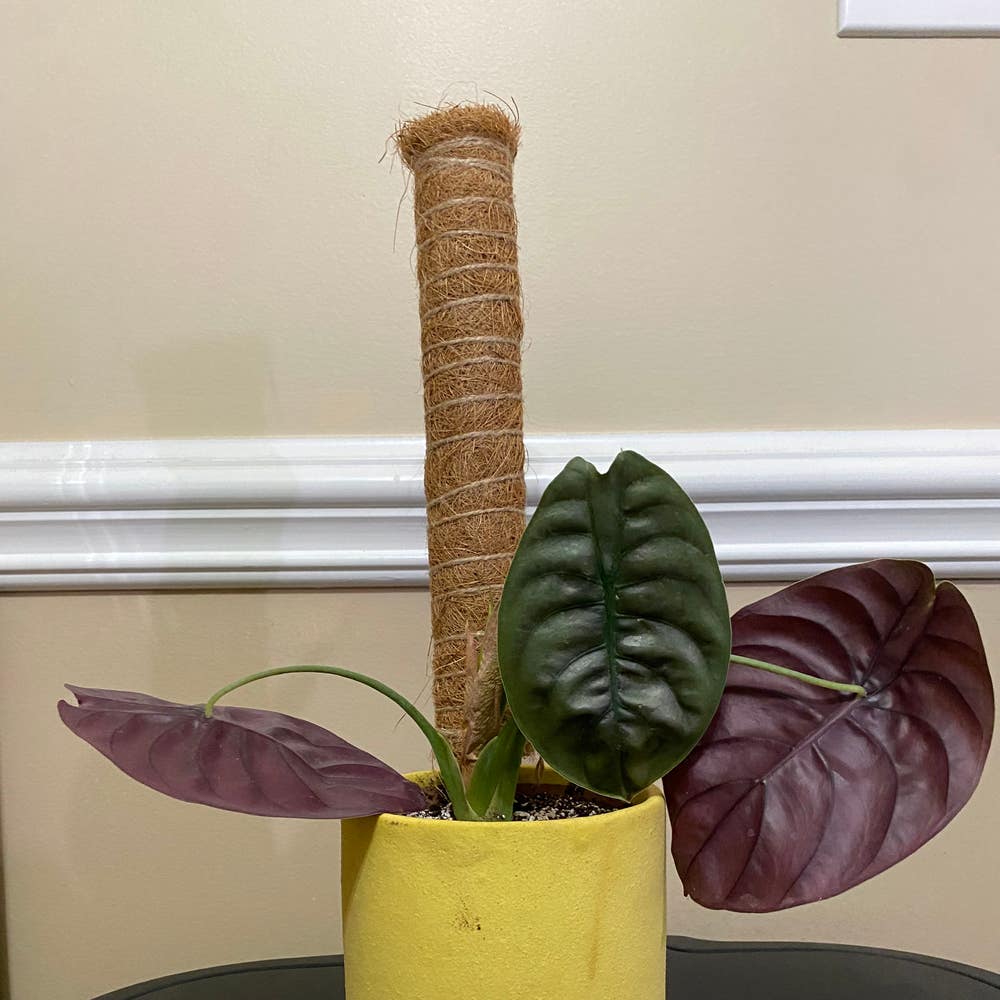
When and Where Should I Trim My Jewel Alocasia?
Alocasia cuprea
By the Greg Editorial Team
Jun 15, 2024•7 min read
This article was created with the help of AI so we can cover more plants for you. May contain errors. See one? Report it here.
Trim your Jewel Alocasia 🌿 for lush growth and stunning form—timing and technique are key!
- Prune in spring/summer for health and to encourage new growth and blooms.
- Use sharp tools, prune above nodes to maintain shape and prevent disease.
- Avoid over-pruning; post-prune care includes wound management and gentle watering.
Benefits of Pruning Jewel Alocasia
Pruning isn't just a haircut for your plant; it's a strategic move. New growth is the prize for snipping away the old, the yellowed, or the drama-queen leaves that are past their prime.
🌱 Why Prune?
Shape and size control is in your hands. Like a bonsai master, you guide the Alocasia to fit your space and aesthetic.
🏥 Health Boost
Pruning is the unsung hero in the fight against fungal diseases. By removing affected leaves, you're essentially playing plant doctor, preventing the spread and keeping your Alocasia in tip-top shape.
💐 Encouraging Blooms
Believe it or not, pruning can be a flirtatious nudge towards flowering. It's like telling your plant, "Hey, focus on the good stuff." And for Alocasia, that means potential blooms.
🎨 Aesthetic Perks
Let's face it, a well-pruned Jewel Alocasia is a visual treat. It's the difference between a wild, untamed jungle and a curated slice of tropical paradise in your living room.
🐜 Pest Control
Regular trims are like a spa treatment for your Alocasia, keeping pests at bay and the leaves so fresh and so clean. Think of it as preventative care for a bug-free existence.
🌿 The Growth Factor
Pruning isn't just about taking away; it's about giving room for more. More leaves, more vigor, more of that lush, green goodness that made you fall for Alocasia in the first place.

Optimal Timing and Techniques for Pruning
Pruning your Jewel Alocasia isn't just about snipping willy-nilly; timing is everything. During the active growth phase, typically spring or summer, your green buddy is in its prime for a trim. This is when it can heal like Wolverine and push out new growth with gusto. Pruning in dormancy? Not so much. It's like waking up your plant from a deep slumber only to say, "Hey, I'm taking your leaves."
🕰️ When to Prune
Spring into action as the weather warms. This is when your Alocasia is chomping at the bit to grow. If you prune now, you'll see a comeback quicker than a boomerang. Summer works too, but it's like hitting snooze on that growth alarm clock—still effective, just a tad slower on the rebound.
🌿 Pruning Techniques
The Right Cut
Let's talk technique. Sharp tools—think of them as the Excalibur for your plant kingdom. They make clean cuts that heal faster than a scraped knee. And always cut above a node; it's like giving your plant a clear direction on where to grow next.
Angle of Attack
Chop at a downward angle. It's not just for dramatic flair; it helps water slide off the cut like it's at a water park, preventing fungal pool parties.
Cleanliness is Next to Plant-Godliness
Keep those clippers clean and oiled. It's like hygiene for your tools, preventing the spread of the plant equivalent of cooties.
The Aftermath
Post-snip, don't just leave your plant to fend for itself. It's not a teenager. Monitor the wound site for healing, and keep an eye out for new growth—it's the plant version of a thumbs-up.
Remember, pruning isn't just about playing plant barber. It's about strategic growth and keeping your Jewel Alocasia looking like it's ready for a plant runway. So grab those shears, and let's get to pruning like a pro.

Strategic Pruning Locations
🌿 Identifying Pruning Targets
Dead or damaged leaves should be your first cut. They're not just an eyesore; they can sap energy from your Jewel Alocasia and invite disease. Look for leaves that are brown, wilted, or have any signs of rot and snip them off at the base.
✂️ Pruning for Shape and Health
For a well-proportioned Jewel Alocasia, you'll want to remove any leaves that disrupt the plant's symmetry. This might mean cutting back a rogue leaf or two that's throwing off the balance. Also, if two leaves are rubbing together, they're more prone to damage and disease—choose one and prune the other.
🌱 Encouraging New Growth
When you spot a stem that's overgrown or sticking out awkwardly, cut it back to a node. This is where new growth will spring from, so be careful not to remove the node itself. Strategic cuts here can stimulate your plant to grow fuller and more vibrant.
📏 Managing the Plant's Size
If your Jewel Alocasia is getting too big for its britches—or pot—pruning can help keep it in check. Trim back the stems to maintain the desired size, but remember, never remove more than 20% of the foliage at once. It's a trim, not a buzz cut.
⏰ Timing Your Trims
Prune during periods of active growth, typically in the spring or summer. This is when your plant can heal fastest from the cuts. Pruning during dormancy isn't a death sentence, but it can lead to less enthusiastic regrowth.
🚫 The Big No-No: Over-Pruning
Avoid going Edward Scissorhands on your plant. Over-pruning can stress your Jewel Alocasia, leading to a sad, stunted, or even dead plant. It's about being a thoughtful sculptor, not a lumberjack.
Remember, every snip should have a purpose, whether it's removing dead foliage, shaping the plant, or controlling its size. Keep these tips in mind, and your Jewel Alocasia will thank you with lush, healthy growth.

Post-Pruning Care
After you've given your Jewel Alocasia a trim, it's time to nurture it back to its lush self. Here's how to keep it thriving:
💉 Wound Management
Avoid slathering your plant's cuts with any goopy substances. Nature's pretty savvy at healing its own. Just ensure your tools were sterile before you made the cut to prevent infection.
💧 Hydration and Nutrition
Give your green buddy a gentle watering post-pruning to ease its shock. Hold off on the fertilizer, though; let it focus on healing, not growing. When it's ready, a balanced feed will encourage those new leaves.
🌞 Light and Environment
Keep your Alocasia in a bright spot without direct sunbeams assaulting its wounds. Think of it as a plant hospital room – comforting but with good lighting.
🌱 Monitoring New Growth
Now, play the waiting game. Keep an eye out for new shoots; they're the first sign your plant is bouncing back. If you notice any brown spots or signs of distress, don't panic—adjust your care and keep a close watch.
🧹 Cleanliness is Key
Post-pruning tidiness is non-negotiable. Sweep away the fallen soldiers (leaves and debris) to prevent any fungal or pest parties.
🌿 Propagation Potential
Feeling adventurous? Those pruned pieces could be the start of a new plant dynasty. Just give them the same TLC as the mother plant, and who knows, you might just multiply your green empire.
Remember, pruning isn't just about snipping away—it's about setting the stage for a comeback story. Your Jewel Alocasia's got this, with a little help from its human.
Pruning Pitfalls to Avoid
🛠️ Cutting Corners with Tools
Dull blades can mangle your Jewel Alocasia's stems, inviting pests and disease. Always use sharp, clean tools for a clean cut that heals swiftly.
🌿 Overzealous Snipping
It's easy to get clipper-happy, but over-pruning can stress your plant. Aim to remove no more than 30% of the foliage at once.
🕰 Wrong Timing, Wrong Outcome
Pruning during the growth season can hinder your Alocasia's vigor. Best to prune when it's dormant, so you don't end up with a stunted spectacle.
🪒 Ignoring Plant Anatomy
Cutting too close to the main stem can cause damage. Leave a small margin to avoid harming the growth nodes.
🎯 Pruning Without Purpose
Each snip should have a goal – whether it's removing dead leaves or shaping the plant. Random cuts can result in a lopsided Alocasia.
🧼 Neglecting Hygiene
After pruning, disinfect your tools. This prevents the spread of disease and shows some love to your green buddy.
🌱 Skipping the Expertise
Sometimes, it's best to call in a pro. If you're unsure about pruning a particularly precious or tricky plant, seek expert advice rather than risking a botch job.
⚠️ Safety First
This content is for general information and may contain errors, omissions, or outdated details. It is not medical, veterinary advice, or an endorsement of therapeutic claims.
Always consult a qualified healthcare professional before using any plant as food, medicine, or supplement.
Never eat any plant (or feed one to pets) without confirming its identity with at least two trusted sources.
If you suspect poisoning, call Poison Control (800) 222-1222, the Pet Poison Helpline (800) 213-6680, or your local emergency service immediately.
Spotted an error? Please report it here.
Trim your Jewel Alocasia to flourishing beauty ✂️ with Greg's smart reminders, helping you avoid common pruning pitfalls for a vibrant, healthy plant.