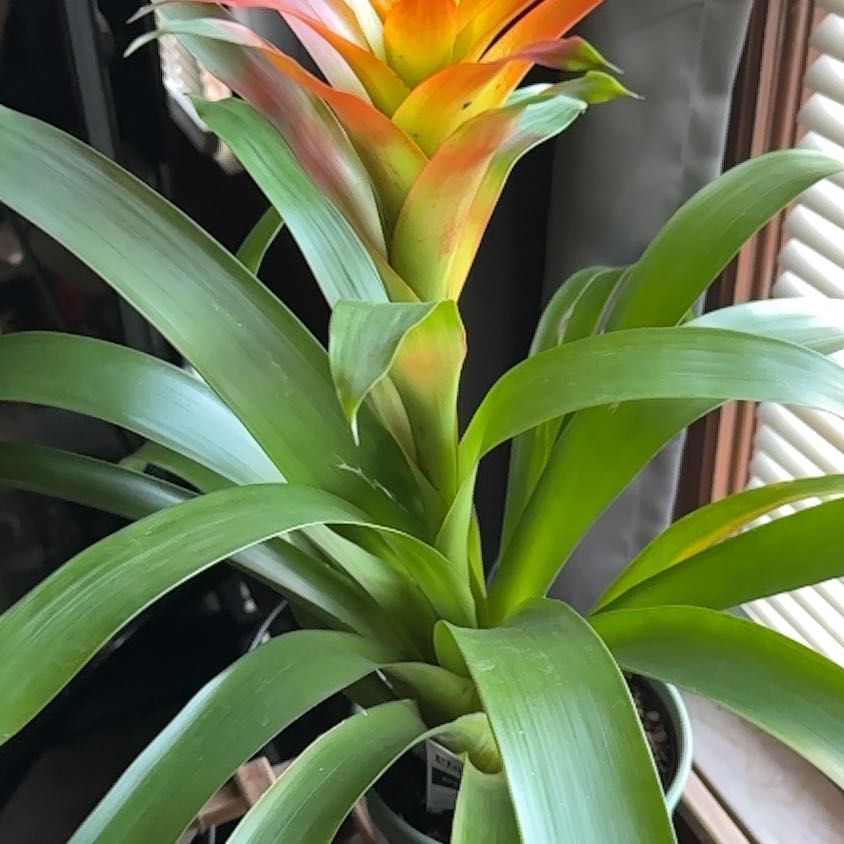
Bromeliad

How to Prune Bromeliad

Neoregelia 'Shenba'
Reviewed by Kiersten Rankel M.S.
Quick Answer
Bromeliads don't need traditional pruning, but you should remove brown or dead outer leaves any time they appear and cut away spent pups (offsets) once they reach about a third the size of the mother plant. The mother rosette dies after flowering, so removing it cleanly when it browns out makes room for the pups to take over. Never cut into the central cup of the rosette.

When is the best time to prune?

Because Neoregelia is a tropical perennial (zones 10–11), indoor plants can be tidied year-round, while outdoor plants in frost-free climates are best divided in spring.

US pruning regions map
Pacific
Mar–May (outdoor, frost-free zones only)
Mountain
Indoors year-round
Midwest
Indoors year-round
Northeast
Indoors year-round
Southeast
Mar–May (outdoor) or year-round indoors
Stay on top of plant care
Get seasonal reminders for watering and fertilizing — personalized for your plants.
Try Greg Free

Why Should I Prune My Bromeliad?

Neoregelia bromeliads are rosette plants that have a natural life cycle: the mother plant blooms once, then gradually dies back while producing pups (offsets) at its base. Pruning is mostly about managing this process and keeping the plant looking tidy.

Remove any outer leaves that have turned brown or dry. Use clean scissors and cut as close to the base of the leaf as possible. This keeps the rosette looking neat and prevents rotting material from sitting against healthy leaves.

Once the mother rosette begins to brown after flowering, you can cut it away entirely at the base once the pups are well established. The pups will grow into new plants and eventually flower themselves, usually within 1–3 years.

Avoid cutting into the central cup of the rosette. That cup holds water and is part of how the plant absorbs moisture. Also avoid removing pups too early: wait until each offset is at least one-third the size of the mother plant before separating it.

Know Before You Cut

Difficulty Easy
Max removal Individual leaves anytime; full mother rosette when spent
Growth pattern Rosette-forming
Tools Clean scissors or small pruners

What Should I Remove?

Remove individual brown or dried outer leaves as they appear
Cut away the spent mother rosette once pups are established
Separate pups when they reach 1/3 the size of the mother
Use clean scissors to prevent spreading disease between cuts
Don't cut into the central water-holding cup
Don't remove pups before they are large enough to root on their own
Don't prune green, healthy leaves to 'shape' the rosette

How Do I Prune Step by Step?

1
Identify leaves to remove
Look for outer leaves that are fully brown, dry, or mushy. Healthy green and burgundy leaves, even if slightly tatty at the tip, should stay.
2
Cut leaves close to the base
Use clean scissors and cut each unwanted leaf as low as possible without nicking the central rosette. Pulling can tear surrounding tissue.
3
Monitor for pups
Check around the base of the plant for small offsets. Once a pup is about 4–6 inches tall and has its own root system, it can be separated or left to grow alongside the mother.
4
Remove the spent mother rosette
When the mother plant has browned significantly after flowering and the pups are well established, cut the mother rosette away at the base with pruners. This opens up space and light for the pups.
5
Pot up or reposition pups
Separate pups by gently cutting them from the base with a clean knife, making sure each has some roots attached. Plant in fresh bromeliad mix and keep lightly moist until established.

Got More Questions?

My bromeliad is turning brown. Do I need to prune it?
Bromeliads naturally die after flowering, starting from the outer leaves. Remove the brown leaves as they appear, but this browning is part of the plant's life cycle. Look for pups forming at the base, which are the next generation.
Can I cut back the flower stalk?
Yes, once the flower stalk has finished and starts to die back, cut it at the base. It won't regrow, and removing it keeps the plant looking tidy.
What if I accidentally removed a healthy leaf?
One healthy leaf won't hurt the plant. Bromeliads are resilient and will continue growing normally. Just avoid making a habit of removing green leaves.
How do I know when to separate a pup?
Wait until the pup is at least one-third the size of the mother rosette and has visible roots at its base. Separating too early means the pup may not have enough resources to establish on its own.
Stay on top of plant care
Get seasonal reminders for watering and fertilizing — personalized for your plants.
Try Greg Free

About This Article

Kiersten Rankel M.S.
Botanical Data Lead at Greg · Plant Scientist
About the Author
Kiersten Rankel holds an M.S. in Ecology & Evolutionary Biology from Tulane University. A certified Louisiana Master Naturalist, she has over a decade of experience in science communication, with research spanning corals, cypress trees, marsh grasses, and more. At Greg, she curates species data and verifies care recommendations against botanical research.
See Kiersten Rankel's full background on LinkedIn.
Editorial Process
Pruning guidance verified against Neoregelia 'Shenba' growth data from Greg's botanical database, cross-referenced with USDA hardiness zone data and published horticultural research.
394+ Greg users growing this plant
USDA hardiness zones 10a–11b
Grow plants with confidence