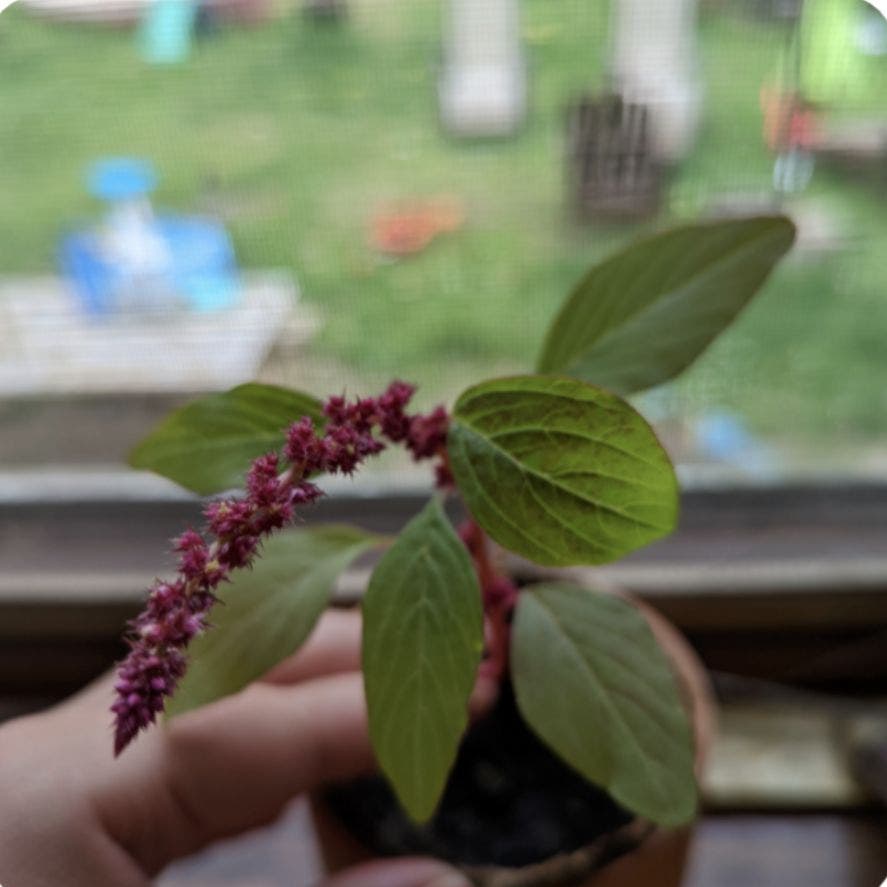
❤️ Ultimate Guide to Growing Love-Lies-Bleeding
Amaranthus caudatus
By the Greg Editorial Team
Oct 16, 2024•6 min read
This article was created with the help of AI so we can cover more plants for you. May contain errors. See one? Report it here.
- 🌞 Love-lies-bleeding needs 6-8 hours of sunlight daily for optimal growth.
- 🌱 Warm climates (70°F-90°F) and well-drained soil are essential for thriving plants.
- 🌿 Regular watering and fertilizing every 4-6 weeks ensure vibrant blooms and healthy growth.
Choosing the Right Location
🌞 Sunlight Requirements
Love-lies-bleeding thrives in full sun, requiring a minimum of 6-8 hours of direct sunlight each day. This ample sunlight not only promotes robust growth but also enhances the vibrancy of its striking flowers.
🌡️ Climate Considerations
This plant flourishes in warm climates, ideally within a temperature range of 70°F to 90°F. For optimal growth, it’s best suited for USDA hardiness zones 9-11, where it can truly shine.
Choosing the right location is crucial for the success of your love-lies-bleeding. With the right sunlight and climate, you’re setting the stage for a stunning display in your garden.
Soil Preparation
Ideal Soil Type and pH 🌱
For growing love-lies-bleeding, the ideal soil type is well-drained, fertile loam. This type of soil provides the perfect balance of nutrients and moisture retention.
The pH level should be slightly acidic to neutral, ideally between 6.0 and 7.0. This range ensures that your plants can absorb essential nutrients effectively.
Amendments and Nutrients Needed 🌿
Incorporating organic matter is crucial for healthy growth. Compost or well-rotted manure enriches the soil, providing vital nutrients.
Essential nutrients include nitrogen, phosphorus, and potassium. These elements support robust growth and vibrant flowering, making your love-lies-bleeding thrive.
With the right soil preparation, you're setting the stage for a flourishing garden. Next, let’s explore effective planting techniques to get those beautiful plants in the ground!
Planting Techniques
🌱 Seed Starting Indoors vs. Direct Sowing
Starting seeds indoors can give your love-lies-bleeding a head start. Aim to begin 6-8 weeks before the last frost to ensure robust seedlings.
If you prefer direct sowing, wait until after the last frost date. This method works best when soil temperatures are consistently warm, allowing seeds to germinate effectively.
📏 Spacing and Depth for Planting
When planting, ensure your seeds are sown at a depth of 1/4 inch. This depth provides just the right amount of coverage for optimal growth.
For spacing, keep your plants 12-18 inches apart. This distance promotes good air circulation, reducing the risk of disease and allowing each plant to thrive.
With these planting techniques, you're setting the stage for a vibrant display of love-lies-bleeding. Next, let’s dive into the essential aspects of watering and fertilizing to keep your plants healthy and flourishing.
Watering and Fertilizing
💧 Watering Frequency and Methods
Watering is crucial for the growth of love-lies-bleeding. Initially, maintain a regular watering schedule until the plants are established, then reduce frequency during dry spells.
For effective watering, consider using drip irrigation or soaker hoses. These methods deliver moisture directly to the roots, minimizing evaporation and ensuring your plants thrive.
🌱 Fertilizing Techniques
When it comes to fertilizing, you have options. Organic choices like compost tea are excellent, while synthetic balanced NPK fertilizers can also do the trick.
Timing is key: fertilize at planting and continue every 4-6 weeks throughout the growing season. This routine will help your love-lies-bleeding flourish, ensuring vibrant blooms and robust growth.
With proper watering and fertilizing, your plants will be well on their way to thriving. Next, let’s explore essential pruning and maintenance techniques to keep your garden in top shape.
Pruning and Maintenance
✂️ Pruning Techniques
Pruning your love-lies-bleeding is essential for promoting healthy growth. Aim to do this in early spring, just before new growth begins.
Pinching back the tips of the stems encourages a bushier appearance, leading to a more vibrant plant. This simple technique can significantly enhance the overall look of your garden.
🧹 Plant Care Routine
Regular maintenance is key to keeping your plants thriving. Weeding and mulching are crucial practices that help reduce competition for nutrients and retain moisture in the soil.
As the seasons change, so should your care routine. Fertilize and prune in spring to prepare for growth, and don’t forget to make adjustments for winter in the fall. This proactive approach ensures your love-lies-bleeding remains healthy year-round.
By staying attentive to these pruning and maintenance practices, you’ll cultivate a flourishing garden that showcases the beauty of love-lies-bleeding. Next, let’s explore container growing for those with limited space or unique gardening setups.
Container Growing
Choosing the Right Container 🌱
When growing love-lies-bleeding in containers, size matters. Opt for a pot that's at least 12 inches in diameter to provide enough room for the roots to spread out.
Material also plays a crucial role. Terracotta pots are great for breathability, while plastic containers are lightweight and often more affordable. Just make sure they have drainage holes to prevent water from pooling.
Soil and Drainage Considerations 💧
The right soil mix is essential for healthy growth. Use a high-quality potting mix that offers good drainage, allowing excess water to escape easily.
Proper drainage is vital to avoid root rot. Always check that your container has sufficient drainage holes, and consider adding a layer of gravel at the bottom for extra protection against water buildup.
With the right container and soil, your love-lies-bleeding plants will thrive, setting the stage for vibrant blooms. Next, let’s explore common challenges you might face while growing these beauties.
Common Challenges and Solutions
🐛 Pests and Diseases
Love-lies-bleeding can attract pests like aphids and spider mites. Identifying these pests early is crucial for effective control.
To manage infestations, consider using neem oil or insecticidal soap. Introducing beneficial insects, such as ladybugs, can also help keep pest populations in check.
🌦️ Environmental Challenges
Extreme heat or unexpected frost can pose significant challenges for your plants. Implementing strategies like providing shade during heatwaves or covering plants during frost can protect them.
Monitoring weather conditions regularly is essential. This proactive approach helps you respond quickly to any environmental changes.
🌱 Soil Issues
Soil compaction can hinder root growth and drainage. Aerating the soil improves its structure, allowing roots to breathe and absorb nutrients more effectively.
Nutrient deficiencies can also affect plant health. Regular soil testing helps you identify any deficiencies, allowing for timely amendments to keep your love-lies-bleeding thriving.
By addressing these common challenges, you can ensure a healthier and more vibrant garden. Next, let’s explore advanced techniques for propagating your love-lies-bleeding plants.
Advanced Techniques
Propagation Methods 🌱
Propagation is a fantastic way to expand your love-lies-bleeding garden. Whether you're saving seeds or taking cuttings, these methods can help you grow more of these stunning plants.
Seed Saving and Storage 🗃️
Timing is crucial when it comes to seed saving. Harvest seeds when the flower heads turn brown, indicating they are ripe and ready for collection.
Once harvested, store the seeds in a cool, dry place. Airtight containers work best to keep them safe from moisture and pests.
Division and Cuttings ✂️
Dividing established plants is another effective propagation technique. This method not only increases your plant count but also rejuvenates older plants.
For cuttings, select healthy stems and ensure they have a few leaves. Use a rooting hormone to boost success rates, and keep the cuttings moist until they establish roots.
With these propagation techniques, you can enjoy a thriving love-lies-bleeding garden that continues to flourish year after year. Next, let’s explore how to tackle common challenges that may arise in your gardening journey.
⚠️ Safety First
This content is for general information and may contain errors, omissions, or outdated details. It is not medical, veterinary advice, or an endorsement of therapeutic claims.
Always consult a qualified healthcare professional before using any plant as food, medicine, or supplement.
Never eat any plant (or feed one to pets) without confirming its identity with at least two trusted sources.
If you suspect poisoning, call Poison Control (800) 222-1222, the Pet Poison Helpline (800) 213-6680, or your local emergency service immediately.
Spotted an error? Please report it here.
Grow your love-lies-bleeding into a blooming masterpiece 🌺 with Greg's tailored watering alerts and expert tips to keep your plants thriving in their perfect environment!