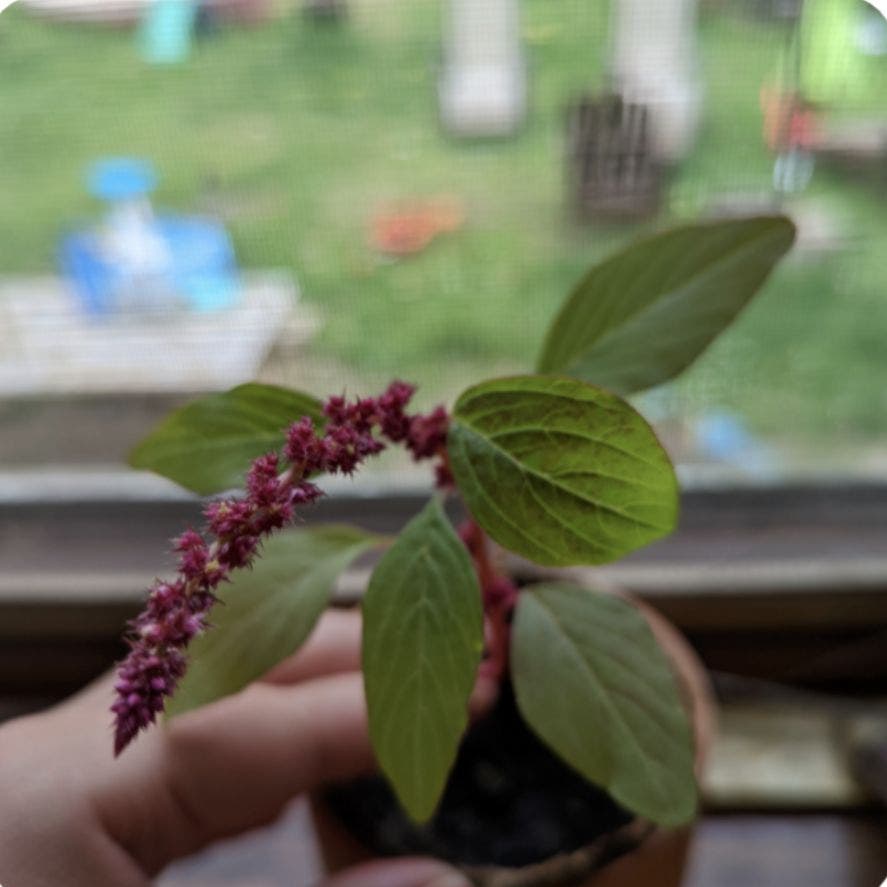
Foxtail Amaranth: Not an Invasive Plant
Amaranthus caudatus
By the Greg Editorial Team
Oct 19, 2024•5 min read
This article was created with the help of AI so we can cover more plants for you. May contain errors. See one? Report it here.
- 🌱 Foxtail Amaranth is non-invasive, thriving without outcompeting native plants.
- 🐝 Attracts pollinators like bees and butterflies, boosting garden biodiversity.
- 🌾 Supports wildlife by providing food for birds and small mammals.
Plant Classification
Definition of Invasive Plants 🌱
Invasive plants are species that spread aggressively outside their native range. They often disrupt local ecosystems, outcompeting native flora and fauna.
Why Foxtail Amaranth is Not Invasive 🌼
Foxtail Amaranth stands apart from invasive species due to its non-aggressive growth patterns. While it thrives in disturbed areas, it doesn’t outcompete native plants in stable ecosystems, maintaining a natural balance.
This plant has its limits, making it a suitable choice for gardens without the fear of it taking over. Understanding these characteristics helps gardeners appreciate Foxtail Amaranth's role in promoting biodiversity without the invasive tag.
As we delve deeper into its growth habits, you'll see how this plant can fit harmoniously into your garden design.
Growth Habits
Typical Growth Patterns in Gardens 🌱
Foxtail Amaranth typically reaches a height of 3-5 feet, making it a striking addition to any garden. Its upright growth form features feathery flower spikes that not only catch the eye but also attract essential pollinators like bees and butterflies.
This plant germinates in spring and blooms throughout the summer. If conditions are right, it can self-seed, ensuring its presence in your garden for seasons to come.
Natural Limits to Growth and Spread Potential 🚧
While Foxtail Amaranth thrives in disturbed soils, it doesn’t aggressively spread in well-maintained gardens. This characteristic makes it a manageable choice for gardeners looking to maintain control over their plantings.
Several factors limit its growth, including competition with established plants and environmental conditions such as drought or poor soil quality. These natural checks help keep Foxtail Amaranth in balance with its surroundings.
As you consider incorporating this plant into your garden, remember its unique growth habits. They not only enhance your garden's beauty but also contribute positively to local ecosystems.
Next, we’ll explore the ecological role of Foxtail Amaranth and its benefits to the environment.
Ecological Role
🌼 Benefits to Local Ecosystems
Foxtail Amaranth plays a vital role in supporting local ecosystems. It provides essential food and habitat for pollinators, including bees and butterflies, which are crucial for plant reproduction.
Additionally, this plant contributes to soil health by preventing erosion and enhancing nutrient cycling. Its presence helps maintain a balanced ecosystem, making it a valuable addition to any garden.
🦜 Positive Interactions with Wildlife and Other Plants
Beyond pollinators, Foxtail Amaranth serves as a food source for birds and small mammals. This creates a thriving habitat that supports various wildlife species.
Moreover, it can enhance biodiversity by attracting beneficial insects. These interactions foster a healthier garden environment, promoting a rich tapestry of life that benefits both plants and animals.
Incorporating Foxtail Amaranth into your garden not only beautifies the space but also supports the local ecosystem. As we explore garden management strategies next, consider how this plant can fit into your design for a thriving, sustainable garden.
Garden Management Strategies
Incorporating Foxtail Amaranth into Garden Designs 🌼
Foxtail Amaranth shines in various garden settings. It’s perfect for wildflower gardens, pollinator gardens, or as a vibrant backdrop in ornamental plantings.
For optimal growth, plant these beauties 1-2 feet apart. This spacing allows them to flourish without overcrowding, ensuring each plant gets the sunlight and nutrients it needs.
Controlling Growth for Aesthetic Purposes ✂️
To keep your garden looking its best, regular pruning is key. Trim back the flower spikes after blooming to maintain the desired height and appearance.
Additionally, keep an eye on self-seeding. Removing excess seedlings in early spring helps prevent unwanted spread, allowing you to maintain control over your garden's design.
Incorporating these strategies will not only enhance your garden's beauty but also support local ecosystems. With thoughtful management, Foxtail Amaranth can be a stunning and beneficial addition to your outdoor space.
As we explore further, let’s dive into the unique qualities of Foxtail Amaranth and how it compares to other non-invasive plants.
Comparison to Other Plants
🌱 Similar Non-Invasive Plants
When considering non-invasive plants for your garden, Zinnia and Cosmos are excellent companions to Foxtail Amaranth. Both thrive in similar conditions and attract a variety of pollinators, making them great additions to any pollinator-friendly garden.
Foxtail Amaranth stands out with its unique color variations, ranging from deep reds to vibrant greens. This adaptability allows it to fit seamlessly into diverse garden designs, enhancing visual appeal while supporting local ecosystems.
🌟 Unique Qualities
Foxtail Amaranth isn't just pretty; it also packs nutritional benefits. Its edible leaves and seeds have been used in traditional medicine and cooking, offering a healthy option for those looking to diversify their diet.
Moreover, the aesthetic appeal of Foxtail Amaranth is hard to ignore. Varieties with colorful foliage can serve as stunning focal points in your garden, making it not only functional but also a feast for the eyes.
Incorporating Foxtail Amaranth alongside other non-invasive plants can create a vibrant, sustainable garden that supports both wildlife and your personal gardening goals. This blend of beauty and utility makes it a must-have for any eco-conscious gardener.
As we explore garden management strategies next, consider how to best incorporate these plants into your designs for maximum impact.
Legal and Environmental Considerations
📜 Relevant Classifications and Guidelines
When considering planting Foxtail Amaranth, it's essential to check local regulations. Some areas may have specific guidelines regarding non-native plants, but Foxtail Amaranth is generally recognized as non-invasive.
Understanding these classifications helps gardeners make informed choices. Always consult local agricultural extensions or gardening clubs for the most accurate information.
🌱 Role in Sustainable Gardening Practices
Incorporating non-invasive plants like Foxtail Amaranth is crucial for ecological balance. These plants support local wildlife without overwhelming native species.
Foxtail Amaranth stands out as a sustainable choice for gardeners. It not only attracts pollinators but also enhances biodiversity, making your garden a vibrant ecosystem.
By choosing plants that coexist harmoniously with nature, you contribute to a healthier environment. This approach fosters a sense of community among plants and wildlife, enriching your gardening experience.
As you explore the benefits of Foxtail Amaranth, consider how it fits into your overall garden strategy. Transitioning to sustainable practices can lead to a flourishing garden that supports both beauty and biodiversity.
⚠️ Safety First
This content is for general information and may contain errors, omissions, or outdated details. It is not medical, veterinary advice, or an endorsement of therapeutic claims.
Always consult a qualified healthcare professional before using any plant as food, medicine, or supplement.
Never eat any plant (or feed one to pets) without confirming its identity with at least two trusted sources.
If you suspect poisoning, call Poison Control (800) 222-1222, the Pet Poison Helpline (800) 213-6680, or your local emergency service immediately.
Spotted an error? Please report it here.
Transform your garden with Foxtail Amaranth's beauty 🌼 while Greg provides personalized care tips to help you nurture this non-invasive gem and attract pollinators!