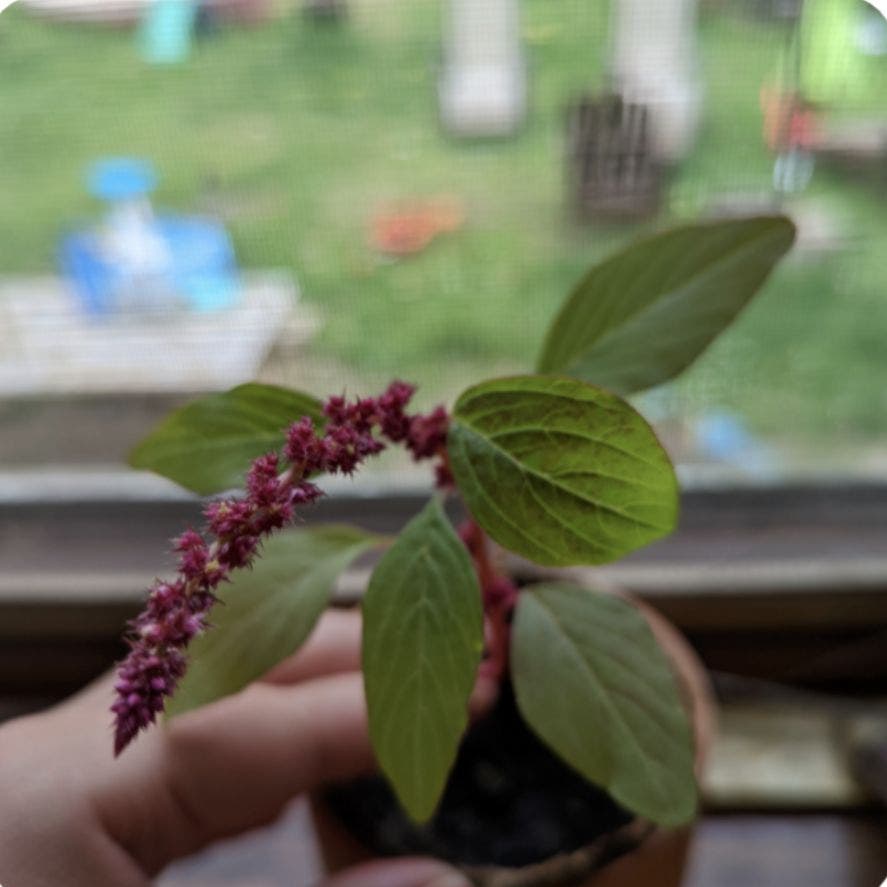
📏 Foxtail Amaranth Width: What to Expect
Amaranthus caudatus
By the Greg Editorial Team
Oct 19, 2024•5 min read
This article was created with the help of AI so we can cover more plants for you. May contain errors. See one? Report it here.
- 🌱 Foxtail amaranth grows 1-6 feet tall, depending on variety and conditions.
- ☀️ Full sun and consistent moisture are essential for optimal growth and spread.
- 🌿 Plant density and pruning influence width; manage spacing for best results.
Mature Height
Typical Height Range 🌱
Foxtail amaranth typically reaches a mature height of 3 to 6 feet. If you're considering dwarf varieties, expect them to grow between 1 to 2 feet, while the giant varieties can soar beyond 6 feet.
Factors Influencing Height 📏
Several factors can influence how tall your foxtail amaranth will grow.
Soil Quality: Nutrient-rich soils are key to promoting taller growth.
Sunlight Exposure: Aim for full sun, ideally 6 to 8 hours a day, to encourage maximum height.
Water Availability: Consistent moisture is essential for optimal growth, so keep your plants well-watered.
Understanding these elements can help you cultivate a thriving garden of foxtail amaranth that reaches its full potential.
As you explore the next section, you'll discover how the mature spread of this plant complements its impressive height.
Mature Spread
Average Mature Spread 🌱
Foxtail amaranth typically boasts a mature spread of 2-3 feet. However, this can vary significantly based on the growing conditions.
Factors Affecting Spread 🌍
Plant Density 🌿
The spacing of your plants plays a crucial role in their spread. When planted closer together, individual plants may compete for resources, resulting in a reduced width.
Pruning Practices ✂️
Pruning can be a game-changer for the overall spread and bushiness of your foxtail amaranth. Regularly pinching back tips encourages a fuller appearance and can enhance the plant's width.
Environmental Conditions ☀️
Adequate sunlight and water are essential for maximizing spread. Ensuring your plants receive enough light and moisture can lead to a more robust and wider growth.
Understanding these factors can help you cultivate a thriving garden of foxtail amaranth. Next, let’s explore the growth rate of this fascinating plant and what influences its speed of development.
Growth Rate
🌱 Typical Growth Rate
Foxtail amaranth is known for its rapid growth, reaching maturity in approximately 60-90 days. This quick turnaround makes it an appealing choice for gardeners eager to see results.
⚙️ Influencing Factors
Several factors can influence the growth rate of foxtail amaranth.
Soil Fertility
Rich, well-drained soil is crucial for accelerating growth. Nutrient-dense soil provides the essential elements that plants need to thrive.
💧 Watering Frequency
Regular watering is another key factor. Consistent moisture helps the plant establish strong roots and promotes faster growth.
🌡️ Temperature
Warmer temperatures can significantly enhance growth rates. Foxtail amaranth thrives in heat, so providing a warm environment can lead to impressive results.
Understanding these factors can help you optimize your growing conditions. By focusing on soil quality, watering habits, and temperature, you can ensure your foxtail amaranth reaches its full potential.
Next, let’s explore the time it takes for foxtail amaranth to reach its full size.
Time to Full Size
🌱 Growth Stages
Understanding the growth stages of foxtail amaranth is crucial for successful cultivation.
- Germination: This initial phase takes about 5-10 days.
- Seedling Stage: Following germination, plants develop into seedlings over 2-4 weeks.
- Vegetative Growth: This stage lasts 4-6 weeks, where the plant focuses on leaf and stem development.
- Flowering and Maturity: The entire process culminates in 60-90 days, leading to flowering and full maturity.
🌍 Environmental Impact on Timeline
The timeline for reaching full size can vary significantly based on environmental conditions.
- Optimal Conditions: When plants receive adequate sunlight, water, and nutrients, they can mature faster.
- Stress Factors: Conversely, issues like drought or poor soil can delay growth, extending the time to full size.
By monitoring these factors, you can better predict and influence the growth rate of your foxtail amaranth. This knowledge not only enhances your gardening skills but also ensures a thriving, vibrant plant.
Next, we’ll explore the size variability of foxtail amaranth and how different factors can influence its growth.
Size Variability
🌍 Environmental Factors
The size of foxtail amaranth can vary significantly based on environmental conditions. Nutrient-rich soils typically yield larger plants, while poor soils may stunt growth.
Sunlight plays a crucial role as well. Full sun exposure encourages robust growth, whereas partial shade can limit the plant's potential.
Watering practices also impact size. Consistent moisture supports healthy development, while drought conditions can lead to smaller plants.
🧬 Genetic Factors
Genetics also dictate size variability in foxtail amaranth. Dwarf varieties are naturally smaller, while giant varieties can reach impressive heights.
Additionally, the seed source matters. High-quality seeds often lead to better growth outcomes, influencing the overall size of the plants.
Understanding these factors can help you optimize your growing conditions for foxtail amaranth. With the right approach, you can achieve the size you desire, whether you're aiming for a lush garden display or a more compact arrangement.
Next, let’s explore how to control the size of your foxtail amaranth effectively.
Controlling Size
🌿 Pruning Techniques for Size Management
To effectively manage the size of your foxtail amaranth, timing is crucial. Prune during the growing season for the best results.
Pinching back the tips of the plants encourages bushiness. This simple technique can help create a fuller appearance while keeping the height in check.
📏 Other Methods to Control Growth
Plant spacing also plays a significant role in size control. Wider spacing allows plants to grow larger, as they have more room to spread out.
Additionally, environmental adjustments can influence size. Modifying sunlight exposure and watering frequency can help you achieve the desired growth characteristics.
By implementing these strategies, you can cultivate foxtail amaranth that fits perfectly into your garden space. Next, let’s explore the various factors that contribute to size variability in these fascinating plants.
⚠️ Safety First
This content is for general information and may contain errors, omissions, or outdated details. It is not medical, veterinary advice, or an endorsement of therapeutic claims.
Always consult a qualified healthcare professional before using any plant as food, medicine, or supplement.
Never eat any plant (or feed one to pets) without confirming its identity with at least two trusted sources.
If you suspect poisoning, call Poison Control (800) 222-1222, the Pet Poison Helpline (800) 213-6680, or your local emergency service immediately.
Spotted an error? Please report it here.
Unlock the secrets to thriving foxtail amaranth 🌿 with Greg's personalized watering alerts and sunlight tips, ensuring your plants reach their full potential in no time!