9 Plants That Love Growing with Foxtail Amaranth 🦊
Amaranthus caudatus
By the Greg Editorial Team
Oct 19, 2024•5 min read
This article was created with the help of AI so we can cover more plants for you. May contain errors. See one? Report it here.
- 🌻 Sunflowers and Foxtail Amaranth thrive together, providing shade and attracting beneficial insects.
- 🌱 Basil and marigolds repel pests, protecting Foxtail Amaranth from aphids and spider mites.
- 🌼 Companion planting enhances garden health and visual appeal, creating dynamic landscapes.
Best Companion Plants for Foxtail Amaranth
🌻 Plant 1: Sunflowers
Sunflowers are tall, sun-loving annuals that boast large, vibrant flowers. They attract pollinators and beneficial insects while providing shade for shorter plants, reducing heat stress.
🌿 Plant 2: Basil
Basil is an aromatic herb known for its lush foliage. It repels pests like aphids and spider mites, sharing similar water and sunlight needs that enhance growth.
🌼 Plant 3: Marigolds
Marigolds are brightly colored annual flowers celebrated for their pest-repelling properties. They effectively deter nematodes and other harmful insects while adding visual appeal with their contrasting colors against Foxtail Amaranth.
🌸 Plant 4: Nasturtiums
Nasturtiums are edible flowers with a peppery taste. They attract aphids away from Foxtail Amaranth, acting as a trap crop, and provide vibrant color along with edible foliage.
🌈 Plant 5: Zinnias
Zinnias are hardy annuals available in a variety of colors and shapes. They attract pollinators and beneficial insects, complementing the visual appeal of Foxtail Amaranth with their diverse hues.
⭐ Plant 6: Borage
Borage is an herb featuring star-shaped blue flowers. It attracts pollinators like bees and improves soil health through nutrient accumulation, benefiting the overall garden ecosystem.
🌱 Plant 7: Beans
Beans come in climbing or bush varieties that fix nitrogen in the soil. They enhance soil fertility, benefiting Foxtail Amaranth, and provide ground cover that reduces weed competition.
🌶️ Plant 8: Peppers
Peppers are fruit-bearing plants that thrive in warm conditions. They share similar growing conditions and pest management strategies, adding diversity in harvest and culinary uses.
🥒 Plant 9: Cucumbers
Cucumbers are vining plants that produce refreshing fruits. They benefit from the shade provided by Foxtail Amaranth and share similar water requirements, promoting efficient irrigation.
These companion plants not only enhance the growth of Foxtail Amaranth but also create a vibrant, thriving garden ecosystem. Next, let’s explore how these plants can help with pest management.
Pest Management with Companion Plants
How Companion Plants Help in Pest Management 🌱
Companion plants are nature's little helpers in the garden. They attract beneficial insects that prey on harmful pests, creating a balanced ecosystem that keeps your plants healthy.
These plants also disrupt pest life cycles. By introducing diversity, they make it harder for pests to thrive, ensuring your Foxtail Amaranth remains vibrant and productive.
Specific Pests Repelled by Companion Plants 🐞
Certain companion plants are particularly effective at repelling specific pests:
- Aphids: Basil and marigolds are champions at keeping these pesky insects at bay.
- Spider Mites: Both basil and borage deter these tiny troublemakers, protecting your plants.
- Nematodes: Marigolds shine here, controlling these soil-dwelling pests that can wreak havoc on roots.
By strategically choosing companion plants, you can create a thriving garden ecosystem that minimizes pest problems while maximizing growth. This not only enhances the health of your Foxtail Amaranth but also contributes to a more sustainable gardening practice.
As you explore the benefits of companion planting, consider how these plants can also enhance the visual appeal of your garden.
Visual Appeal and Aesthetic Benefits
🌈 Color and Texture Combinations with Foxtail Amaranth
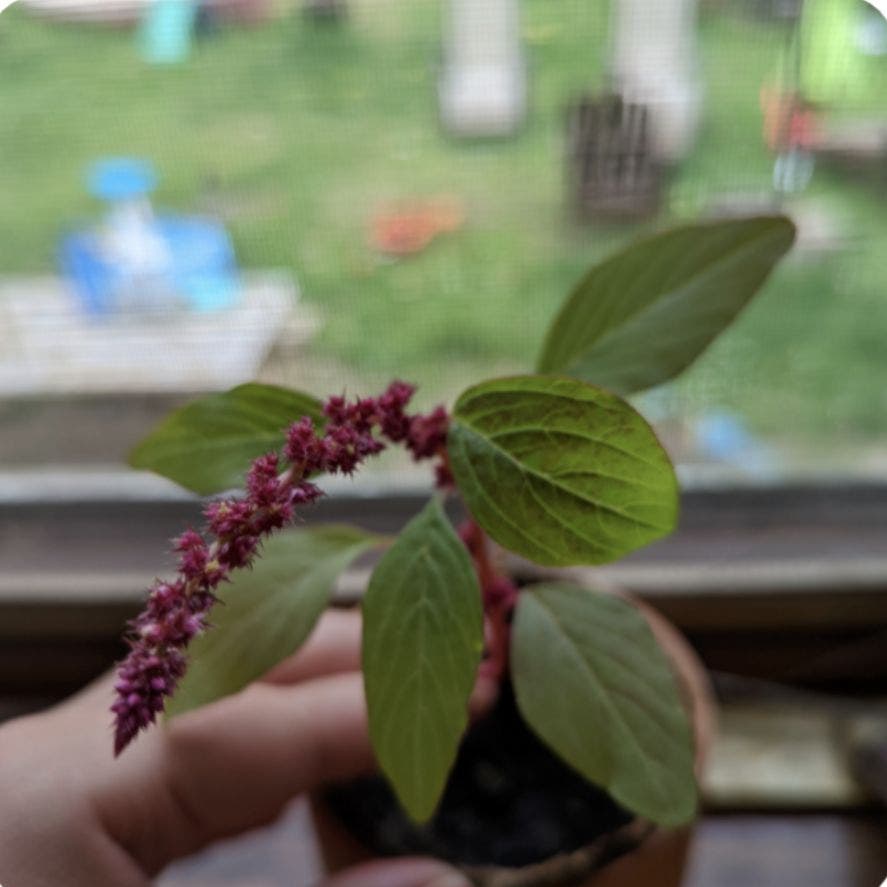
Foxtail Amaranth's feathery spikes create a stunning contrast against the bold colors of companion plants. Pairing it with vibrant sunflowers or cheerful zinnias adds depth and visual interest to your garden.
Layering heights is another effective strategy. Tall plants like sunflowers can tower over shorter herbs, creating a dynamic landscape that draws the eye and enhances the overall aesthetic.
🌼 Seasonal Visual Interest with Companion Plants
Companion plants provide continuous blooms from early summer to fall, ensuring your garden remains lively and colorful. This variety not only beautifies your space but also keeps it engaging throughout the growing season.
Moreover, the diverse foliage textures and colors contribute to a rich tapestry of visual appeal. Each plant brings its unique charm, making your garden a feast for the eyes.
Incorporating these elements not only elevates the beauty of your garden but also creates a thriving ecosystem. As we explore the next section, we'll delve into how these companion plants can assist in pest management, further enhancing your gardening experience.
Plants to Avoid Near Foxtail Amaranth
🌱 Plant 1: Potatoes
Potatoes are a no-go when planting near Foxtail Amaranth. They share similar pests and diseases, which can lead to increased infestations.
Additionally, potatoes compete for nutrients and water, potentially stunting the growth of your beloved amaranth.
🥕 Plant 2: Carrots
Carrots also pose a challenge as they have a similar root depth. This can lead to competition for nutrients, which is not ideal for healthy growth.
Moreover, carrots can attract pests that may also target Foxtail Amaranth, creating additional headaches for gardeners.
🌿 Plant 3: Fennel
Fennel is another plant to steer clear of. Its allelopathic properties can inhibit the growth of nearby plants, including Foxtail Amaranth.
On top of that, fennel attracts pests that could harm your amaranth, making it a risky companion in your garden.
Avoiding these plants will help ensure that your Foxtail Amaranth thrives alongside its beneficial companions. Next, let’s explore how companion plants can aid in pest management.
⚠️ Safety First
This content is for general information and may contain errors, omissions, or outdated details. It is not medical, veterinary advice, or an endorsement of therapeutic claims.
Always consult a qualified healthcare professional before using any plant as food, medicine, or supplement.
Never eat any plant (or feed one to pets) without confirming its identity with at least two trusted sources.
If you suspect poisoning, call Poison Control (800) 222-1222, the Pet Poison Helpline (800) 213-6680, or your local emergency service immediately.
Spotted an error? Please report it here.
Enhance your garden's health and beauty by pairing Foxtail Amaranth with companions like sunflowers and basil, and let Greg's personalized care tips help you thrive together! 🌿