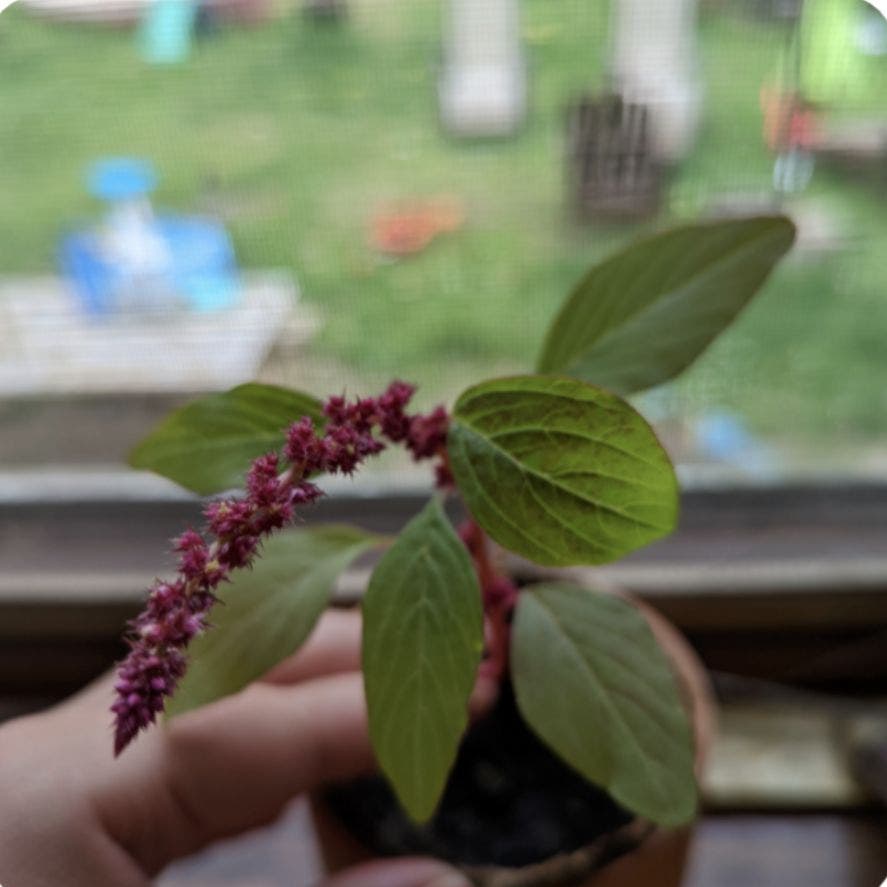
Foxtail Amaranth Is an Annual
Amaranthus caudatus
By the Greg Editorial Team
Oct 19, 2024•5 min read
This article was created with the help of AI so we can cover more plants for you. May contain errors. See one? Report it here.
- 🌱 Foxtail Amaranth is a quick-growing annual, completing its lifecycle in 60-90 days.
- 🌞 Optimal germination occurs at 20-30°C, with seeds sprouting in just 5-10 days.
- 🌼 Flowering from late summer to fall adds vibrant color to gardens when needed most.
Characteristics of Foxtail Amaranth as an Annual
🌱 Lifecycle and Growth Patterns
Foxtail amaranth completes its lifecycle in a swift 60-90 days. This rapid growth makes it a fascinating plant for gardeners and farmers alike.
🌾 Germination
For optimal germination, the soil temperature should be between 20-30°C (68-86°F). Under these conditions, seeds typically germinate within 5-10 days.
🌿 Growth Stages
The growth of foxtail amaranth unfolds in distinct stages:
- Seedling Stage: Establishes rapidly, usually within 2-3 weeks.
- Vegetative Stage: Focuses on leaf development and height increase.
- Flowering Stage: Begins 4-6 weeks after germination, showcasing its vibrant blooms.
📏 Height and Environmental Adaptability
This plant can reach impressive heights of 1-2 meters (3-6 feet). It thrives even in poor soil conditions, demonstrating remarkable adaptability to varying moisture and sunlight availability.
📝 Conclusion
Understanding the lifecycle and growth patterns of foxtail amaranth not only highlights its resilience but also sets the stage for exploring its reproductive strategies and seed production. This knowledge is essential for anyone looking to cultivate this dynamic annual.
Reproductive Strategies and Seed Production
Seed Production Timeline 🌱
Foxtail Amaranth showcases a fascinating reproductive strategy that maximizes its survival. The flowering period typically occurs from late summer to early fall, creating a vibrant display just when the garden needs it most.
Pollination is primarily wind-driven, allowing these plants to efficiently spread their genetic material. This method is not only effective but also ensures that they can thrive in various environments.
One remarkable aspect of Foxtail Amaranth is its prolific seed output. Each plant can produce up to 100,000 seeds, making it a powerhouse of reproduction. This high seed yield significantly enhances its chances of colonization in new areas.
Seed dispersal occurs through both wind and water, further aiding in the plant's ability to establish itself in diverse locations. This adaptability is a key factor in its success as an annual.
Timeline Overview ⏳
The timeline from germination to flowering is impressively short, taking only 4-6 weeks. This rapid progression allows Foxtail Amaranth to capitalize on favorable growing conditions.
After flowering, seed maturation occurs within 2-3 weeks. This quick turnaround means that the plant can complete its lifecycle efficiently, ensuring multiple generations can thrive within a single growing season.
Understanding these reproductive strategies not only highlights the resilience of Foxtail Amaranth but also sets the stage for exploring its evolutionary advantages. Let's dive into how these adaptations help it flourish in various environments.
Evolutionary Advantages
🌍 Adaptations to Different Environments
Foxtail Amaranth showcases remarkable resilience, thriving in conditions that would challenge many other plants. Its tolerance to drought and poor soil allows it to flourish where resources are scarce.
This adaptability extends to its germination capabilities. Foxtail Amaranth can sprout in a variety of environments, making it a survivor in unpredictable climates.
🚀 Competitive Advantage
One of the plant's standout features is its rapid growth. This quick establishment enables it to dominate disturbed areas, outpacing slower competitors and securing its place in the ecosystem.
By capitalizing on available resources, Foxtail Amaranth ensures it can thrive even in challenging conditions. Its ability to grow quickly is a game-changer in the plant world.
⚡ Resource Allocation
Foxtail Amaranth focuses its energy on rapid growth and reproduction within a single season. This strategy maximizes its chances of survival and propagation, allowing it to produce a significant number of seeds.
The plant's lifecycle is a testament to its evolutionary strategy, emphasizing efficiency and adaptability.
🌱 Genetic Diversity
High seed production is another evolutionary advantage. With the potential to produce up to 100,000 seeds per plant, Foxtail Amaranth fosters genetic diversity in subsequent generations.
This genetic variation enhances the plant's ability to adapt to changing environments, ensuring its continued success in various habitats.
As we explore the implications of its annual lifecycle, we can see how these evolutionary advantages play a crucial role in Foxtail Amaranth's growth and flowering patterns.
Implications of Annual Lifecycle
Effects on Growth and Flowering 🌼
Foxtail amaranth's rapid lifecycle is a game-changer. It allows for multiple generations to thrive within a single year, making it a resilient choice for gardeners and farmers alike.
Flowering is not just a random event; it's intricately linked to day length and environmental conditions. As the days grow longer, foxtail amaranth responds by gearing up for its flowering phase, ensuring that it maximizes its reproductive potential when conditions are just right.
This adaptability means that, with the right timing, you can witness a vibrant display of blooms that not only beautifies your garden but also supports local ecosystems. Understanding these triggers can help you optimize your planting schedule for the best results.
In summary, the annual lifecycle of foxtail amaranth is a fascinating aspect that influences its growth and flowering patterns. This knowledge can empower you to make informed decisions in your gardening practices, leading to a more fruitful and colorful garden.
As we delve deeper into gardening applications, let’s explore how to effectively utilize foxtail amaranth in your garden design.
Gardening Applications
Utilizing Foxtail Amaranth in Garden Design 🌼
Foxtail Amaranth is not just a functional plant; it brings vibrant color and texture to any garden. Its lush foliage and striking flowers make it an excellent choice for ornamental landscaping.
Beyond aesthetics, this plant plays a crucial role in soil health. As it grows, it adds organic matter to the soil, enhancing its structure and fertility.
Tips for Succession Planting and Extending the Growing Season 🌱
To maximize your harvest, consider staggered planting every 2-3 weeks. This approach ensures a continuous supply of fresh greens throughout the growing season.
When selecting seeds, choose varieties that thrive in your local climate and soil conditions. This will help you achieve the best results.
Utilize row covers to protect young plants from frost, and start seeds indoors for an early start. These techniques can significantly extend your growing season.
Lastly, keep an eye on soil moisture and temperature. Monitoring these factors will help you create optimal conditions for your Foxtail Amaranth to flourish.
With these strategies, you can enjoy the beauty and benefits of Foxtail Amaranth in your garden all season long. Next, let’s explore the implications of its annual lifecycle on growth and flowering.
⚠️ Safety First
This content is for general information and may contain errors, omissions, or outdated details. It is not medical, veterinary advice, or an endorsement of therapeutic claims.
Always consult a qualified healthcare professional before using any plant as food, medicine, or supplement.
Never eat any plant (or feed one to pets) without confirming its identity with at least two trusted sources.
If you suspect poisoning, call Poison Control (800) 222-1222, the Pet Poison Helpline (800) 213-6680, or your local emergency service immediately.
Spotted an error? Please report it here.
Grow vibrant blooms with Foxtail Amaranth 🌼 by using Greg's tailored care tips to maximize your garden's potential and enjoy a flourishing season!