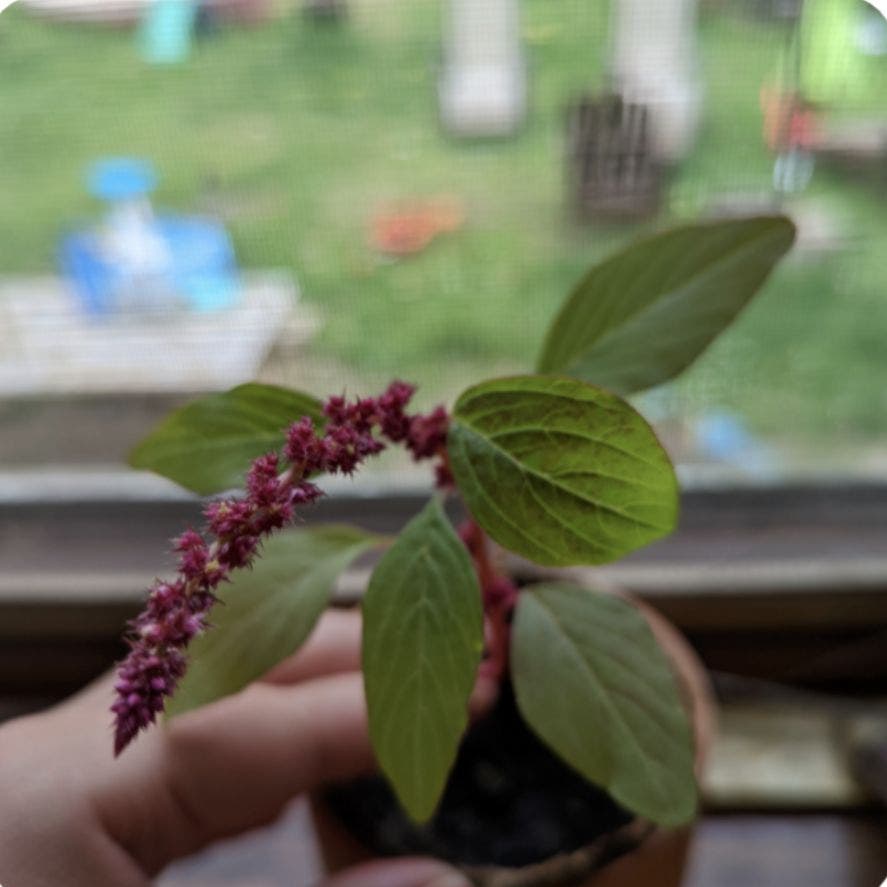
Identifying What is Eating Your Foxtail Amaranth 🐛
Amaranthus caudatus
By the Greg Editorial Team
Oct 19, 2024•6 min read
This article was created with the help of AI so we can cover more plants for you. May contain errors. See one? Report it here.
- 🦌 Identify common herbivores like deer, rabbits, and squirrels damaging foxtail amaranth.
- 🚫 Use deterrents such as fences and sprays to protect your plants effectively.
- 🌱 Encourage beneficial wildlife while managing herbivore threats for a balanced ecosystem.
Common Herbivores Affecting Foxtail Amaranth
🦌 Deer
Signs of presence and damage
Look for tracks in muddy areas and stripped leaves or young shoots. These signs indicate that deer are munching on your foxtail amaranth.
Interaction type
Deer are generally harmful to gardens, as they can decimate plant populations quickly. Their appetite for tender greens can leave your garden looking bare.
Deterrent methods
To keep deer at bay, consider using commercial deer repellents. Alternatively, erecting an 8-foot tall fence or planting deer-resistant plants nearby can be effective.
🐇 Rabbits
Signs of presence and damage
Small, round droppings near your plants and cleanly cut stems are telltale signs of rabbit activity. These critters can significantly reduce the vigor of your foxtail amaranth.
Interaction type
Rabbits are generally harmful, as they can quickly diminish your plant's health. Their nibbling can stunt growth and reduce yields.
Deterrent methods
Bitter-tasting sprays can deter rabbits effectively. Surrounding your plants with chicken wire or mesh is another easy, organic solution.
🐿️ Squirrels
Signs of presence and damage
Look for irregular bite marks on stems and leaves, along with signs of nesting nearby. Squirrels can cause significant damage to your plants.
Interaction type
Squirrels are generally harmful, as their foraging can lead to substantial plant damage. They often target young shoots and seeds.
Deterrent methods
Capsaicin-based sprays can deter squirrels effectively. You might also try scare tactics like reflective tape or noise-makers to keep them away.
🐦 Birds
Signs of presence and damage
Pecking marks on leaves and seeds, along with nesting behavior in nearby areas, indicate bird activity. While some birds can be beneficial, others may damage your plants.
Interaction type
Birds have a mixed impact; some help control pests, while others can harm seeds. It's essential to monitor their activity closely.
Deterrent methods
Non-toxic bird repellents can be effective in keeping unwanted birds away. Using netting over your plants or placing reflective objects nearby can also deter them.
🐭 Rodents
Signs of presence and damage
Tunnels or burrows near the plant base and gnawed stems or roots are signs of rodent activity. These pests can undermine the health of your foxtail amaranth.
Interaction type
Rodents are generally harmful, as they can cause significant damage to the plant's structure. Their burrowing can also affect root health.
Deterrent methods
Rodent bait stations can help manage these pests chemically. For an organic approach, consider trapping or using natural predators like cats.
🦡 Groundhogs
Signs of presence and damage
Look for large burrows near your plants and significant chewing on stems and leaves. Groundhogs can quickly devastate your garden.
Interaction type
Groundhogs are generally harmful, as their feeding habits can lead to rapid plant loss. They are notorious for their hearty appetites.
Deterrent methods
Commercial repellents can deter groundhogs effectively. Alternatively, fencing buried at least 12 inches underground can provide a robust barrier.
Understanding these common herbivores and their impacts on foxtail amaranth is crucial for effective garden management. With the right deterrent methods, you can protect your plants and ensure a thriving garden. Next, let's explore the beneficial animals that can enhance your garden's ecosystem.
Beneficial Animals
🐝 Description of Beneficial Animals
Beneficial animals play a crucial role in the ecosystem surrounding your foxtail amaranth. Pollinators like bees and butterflies are drawn to the vibrant flowers, ensuring that your plants thrive.
Birds also contribute positively by consuming seeds and helping to spread them throughout the area. This natural seed dispersal supports the growth of new plants, enhancing biodiversity.
🌱 Positive Impacts
The presence of these beneficial animals leads to enhanced pollination, which significantly improves plant health. Healthier plants not only yield better but also attract a variety of beneficial insects, creating a balanced ecosystem.
By fostering these relationships, you can cultivate a thriving garden that supports both plant life and wildlife. Embracing these beneficial interactions can transform your gardening experience into a vibrant, interconnected environment.
As you consider the role of beneficial animals, it’s essential to balance their presence with the challenges posed by herbivores. This balance will help you maintain a healthy garden while enjoying the wonders of nature.
General Protection Strategies
🛡️ Preventive Measures
To keep your foxtail amaranth safe, consider planting it in less accessible areas. This simple step can deter many herbivores looking for an easy meal.
Companion planting is another effective strategy. By surrounding your foxtail amaranth with plants that herbivores dislike, you can create a natural barrier that protects your garden.
⚠️ Reactive Solutions
Regular monitoring is crucial. Keep an eye out for signs of animal presence, such as droppings or damaged leaves.
When you notice any damage, act immediately. Quick responses can minimize the impact on your plants and help maintain their health.
🌱 Seasonal Variations
Be aware that herbivore activity tends to spike in spring and early summer. This is when many animals are foraging for food to support their young.
Additionally, watch for migration patterns of birds in late summer. These movements can affect seed predation, so adjusting your protective measures accordingly can be beneficial.
By implementing these strategies, you can create a more resilient garden environment. This proactive approach not only protects your foxtail amaranth but also fosters a thriving ecosystem.
Next, let’s explore the ecological role of foxtail amaranth and its interaction with various species.
Ecological Role
Importance in the Ecosystem 🌼
Foxtail amaranth plays a vital role in the ecosystem by providing food for various herbivores and pollinators. Its flowers attract bees and butterflies, which are essential for pollination.
Contribution to Soil Health 🌱
This plant also contributes to soil health and biodiversity. Its deep roots help aerate the soil, improving water retention and nutrient availability for other plants.
Balancing Damage and Benefits ⚖️
While foxtail amaranth supports a range of wildlife, it can also face significant damage from herbivores. Managing this balance is crucial for maintaining a healthy ecosystem.
Maintaining Ecosystem Health 🌍
It's important to recognize the benefits of foxtail amaranth while addressing the challenges it faces. A thriving ecosystem can coexist with some level of herbivore activity, as long as it doesn't overwhelm the plant's growth.
Final Thoughts 💭
Understanding the ecological role of foxtail amaranth enriches our appreciation for this plant. By fostering a balanced environment, we can enjoy its benefits while minimizing damage from herbivores.
Next, let’s explore the toxicity considerations related to foxtail amaranth and how they impact management strategies.
Toxicity Considerations
⚠️ Toxic Effects
Foxtail amaranth can pose mild toxicity risks, especially when consumed in large quantities. This is particularly concerning for livestock, which may experience adverse effects if they ingest significant amounts of the plant.
🐄 Implications for Management
Understanding the toxicity of foxtail amaranth is crucial for effective herbivore management. By being aware of these risks, gardeners can take proactive steps to protect their plants while ensuring the safety of surrounding wildlife and livestock.
Incorporating this knowledge into your gardening strategy can help maintain a healthy ecosystem. It’s all about balance—protecting your garden while respecting the natural world around you.
As we explore further, let’s look at general protection strategies to safeguard your foxtail amaranth from herbivores.
⚠️ Safety First
This content is for general information and may contain errors, omissions, or outdated details. It is not medical, veterinary advice, or an endorsement of therapeutic claims.
Always consult a qualified healthcare professional before using any plant as food, medicine, or supplement.
Never eat any plant (or feed one to pets) without confirming its identity with at least two trusted sources.
If you suspect poisoning, call Poison Control (800) 222-1222, the Pet Poison Helpline (800) 213-6680, or your local emergency service immediately.
Spotted an error? Please report it here.
Protect your foxtail amaranth from pesky herbivores with Greg's tailored tips and reminders 🛡️, ensuring your garden thrives while you enjoy the beauty of nature!