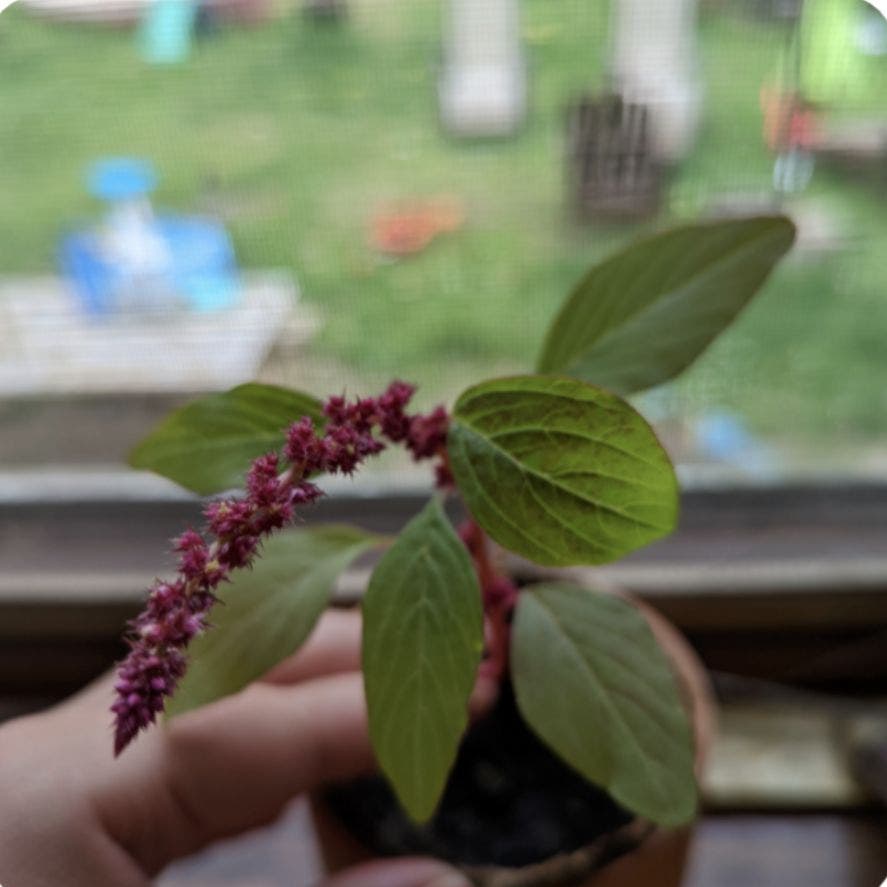
🌾 Ultimate Guide to Fixing Droopy Leaves on Foxtail Amaranth
Amaranthus caudatus
By the Greg Editorial Team
Oct 19, 2024•6 min read
This article was created with the help of AI so we can cover more plants for you. May contain errors. See one? Report it here.
- 🌱 Droopy leaves stem from overwatering, underwatering, pests, or nutrient deficiencies.
- 💧 Adjust watering and check for pests to revive droopy foxtail amaranth effectively.
- 🌞 Optimal conditions include 20-30°C temperatures and 40-60% humidity for healthy growth.
Causes of Droopy Leaves
💧 Overwatering and Its Effects
Overwatering is a common culprit behind droopy leaves. Symptoms include yellowing leaves, soggy soil, and even root rot, which can suffocate roots and hinder nutrient uptake.
🚰 Underwatering and Dehydration
On the flip side, underwatering leads to crispy leaf edges, wilting, and dry soil. This can stunt growth and eventually cause leaves to drop.
🥦 Nutrient Deficiencies
Nitrogen Deficiency
Nitrogen deficiency manifests as pale green leaves and stunted growth. Nitrogen is crucial for leaf development, making its presence vital for a healthy plant.
Potassium Deficiency
Potassium deficiency shows up as marginal leaf burn and weak stems. This nutrient plays a significant role in overall plant health, affecting everything from growth to resilience.
🐛 Pest Infestations
Aphids
Aphids leave behind a sticky residue on leaves and cause curling. These pests weaken plants and can transmit diseases, making them a serious concern.
Spider Mites
Spider mites create fine webbing and cause stippled leaves. Their presence reduces photosynthesis and overall plant vigor, leading to further health issues.
🌡️ Environmental Stress
Temperature Fluctuations
Foxtail amaranth thrives in an optimal temperature range of 20°C to 30°C (68°F to 86°F). Extreme temperatures can severely impact leaf health, causing droopiness.
💨 Humidity Levels
Ideal humidity for these plants is between 40-60%. Low humidity can lead to droopy leaves, as the plant struggles to retain moisture.
Understanding these causes is essential for diagnosing and addressing droopy leaves effectively. Next, we’ll explore how to diagnose these issues accurately.
Diagnosing Droopy Leaves
🌊 Visual Signs of Overwatering vs. Underwatering
Identifying whether your foxtail amaranth is suffering from overwatering or underwatering is crucial. Overwatering typically presents as soggy soil and yellowing leaves, indicating root suffocation.
In contrast, underwatering leads to dry soil and crispy leaf edges. This can stunt growth and cause the plant to wilt.
🥦 Identifying Nutrient Deficiency Symptoms
Nutrient deficiencies can also cause droopy leaves. A nitrogen deficiency manifests as pale leaves and slow growth, signaling that your plant isn't getting enough of this essential nutrient.
On the other hand, a potassium deficiency results in leaf burn and weak stems. Potassium is vital for overall plant health, so addressing this deficiency is key.
🐛 Recognizing Pest Damage
Pests can wreak havoc on your plants, leading to droopiness. Aphids leave behind a sticky residue and cause leaves to curl, weakening the plant and making it susceptible to diseases.
Spider mites are another concern, often leaving fine webbing and stippled leaves in their wake. Their presence can significantly reduce photosynthesis and overall vigor.
🌡️ Assessing Environmental Conditions
Environmental factors play a significant role in leaf health. Start by checking the temperature; foxtail amaranth thrives between 20°C to 30°C (68°F to 86°F). Extreme temperatures can lead to droopy leaves.
Next, assess humidity levels. Ideally, humidity should be between 40-60%. Low humidity can cause leaves to droop, so consider using a hygrometer to measure it accurately.
Understanding these signs and conditions will help you diagnose the issues affecting your foxtail amaranth. With this knowledge, you can move on to effective solutions for droopy leaves.
Solutions for Droopy Leaves
🌊 Adjusting Watering Practices
To revive your foxtail amaranth, start by checking the soil moisture. Use a moisture meter or simply stick your finger into the soil to gauge its dampness.
Next, adjust your watering frequency. Allow the top inch of soil to dry out before giving your plant a drink to prevent overwatering.
Lastly, ensure proper drainage. Make sure your pots have drainage holes to avoid waterlogging, which can suffocate roots.
🌱 Fertilization Techniques for Healthy Growth
Fertilization is key for vibrant growth. Choose a balanced fertilizer with an NPK ratio of 10-10-10 to provide essential nutrients.
Apply this fertilizer every 4-6 weeks during the growing season. Additionally, consider incorporating compost into your soil for an extra nutrient boost.
🐛 Pest Control Methods
Organic Options
For pest control, start with organic solutions. Neem oil is a great choice; apply it every 7-14 days to keep pests at bay.
Insecticidal soap is another effective method. Spray it directly on affected areas, ensuring thorough coverage for maximum impact.
Chemical Options
If pests persist, consider chemical options. Systemic insecticides can be effective; use them as a last resort and follow application tips carefully to minimize harm to beneficial insects.
🌤️ Improving Environmental Conditions
Creating the right environment is crucial for your plant's recovery. Ensure your foxtail amaranth receives 6-8 hours of direct sunlight daily for optimal growth.
Maintain an ideal temperature range of 20°C to 30°C (68°F to 86°F). Use shade or heating as needed to keep your plant comfortable.
Lastly, focus on humidity. Use a humidifier or place pebble trays filled with water nearby to increase moisture levels, helping to prevent droopiness.
With these solutions, your foxtail amaranth can bounce back to health. Next, let’s explore preventative measures to keep your plant thriving long-term.
Preventative Measures
Best Practices for Watering 🌊
Establishing a consistent watering schedule is crucial. Aim for weekly checks, adjusting based on weather conditions to ensure your Foxtail Amaranth thrives.
Look for signs of proper watering, such as moist soil and healthy leaves. If the soil feels dry an inch down, it’s time to water.
Soil Selection and Amendments 🏺
Choosing the right soil is essential for your plant's health. A well-draining, loamy soil provides the perfect environment for growth.
Consider adding amendments like perlite or sand to enhance drainage. This helps prevent waterlogging, which can lead to droopy leaves.
Regular Monitoring for Pests and Diseases 🔍
Stay proactive by conducting weekly inspections of your plants. Look for any signs of pests or diseases that could threaten their health.
Early intervention is key. Treat any issues at the first signs of infestation to keep your plants in top shape.
Seasonal Care Tips to Prevent Droopiness 🌦️
Adjust your watering and fertilization practices according to the seasons. Plants have different needs as temperatures and light levels change.
Additionally, protect your Foxtail Amaranth from extreme weather conditions. This will help maintain their vigor and prevent droopiness.
By implementing these preventative measures, you can ensure your Foxtail Amaranth remains healthy and vibrant. Next, let’s explore the signs of recovery in droopy leaves and how to maintain that health.
Aftercare for Recovered Plants
Signs of Recovery in Droopy Leaves 🌱
After addressing the issues causing droopiness, look for signs of recovery. New growth, characterized by healthy, vibrant leaves, is a positive indicator.
Improved leaf turgor is another sign; leaves should regain their firmness, standing upright and looking robust.
Continued Care to Maintain Plant Health 🌿
To keep your foxtail amaranth thriving, establish a regular watering and fertilization schedule. Consistency is key; aim to water when the top inch of soil feels dry.
Ongoing monitoring for pests and diseases is essential. Regular checks will help you catch any issues early, ensuring your plant remains healthy.
When to Seek Professional Help 🆘
If you notice persistent issues despite your best efforts, it may be time to consult a professional. Signs of severe pest infestations or diseases can overwhelm even the most diligent gardener.
Reaching out to local horticulturists or extension services can provide tailored advice and solutions. Don’t hesitate to seek help; your plant’s health is worth it!
⚠️ Safety First
This content is for general information and may contain errors, omissions, or outdated details. It is not medical, veterinary advice, or an endorsement of therapeutic claims.
Always consult a qualified healthcare professional before using any plant as food, medicine, or supplement.
Never eat any plant (or feed one to pets) without confirming its identity with at least two trusted sources.
If you suspect poisoning, call Poison Control (800) 222-1222, the Pet Poison Helpline (800) 213-6680, or your local emergency service immediately.
Spotted an error? Please report it here.
Bring your droopy foxtail amaranth back to life 🌿 with Greg's personalized watering reminders and pest control tips that ensure your plant flourishes!