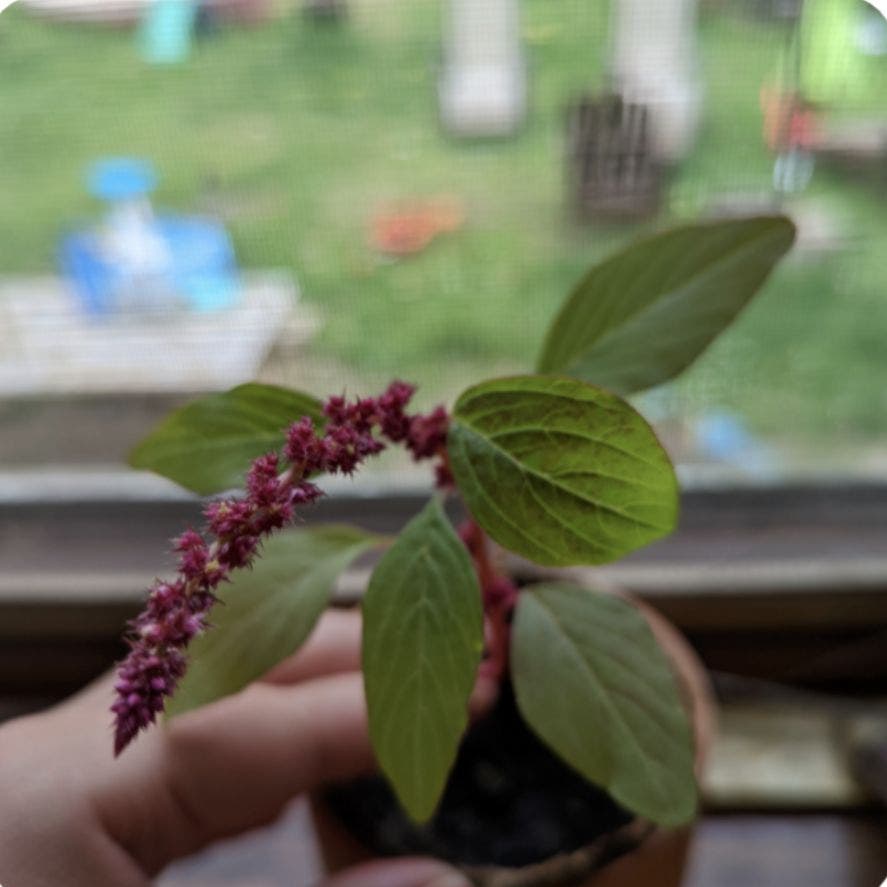
🌾 Step-by-Step Guide to Propagating Foxtail Amaranth
Amaranthus caudatus
By the Greg Editorial Team
Oct 19, 2024•3 min read
This article was created with the help of AI so we can cover more plants for you. May contain errors. See one? Report it here.
- 🌱 Choose high-quality seeds and prepare well-draining soil for successful propagation.
- 💧 Maintain consistent moisture and humidity to support seed germination and cutting growth.
- 🌞 Ensure full sun exposure for optimal growth; consider grow lights if needed.
Propagation Methods for Foxtail Amaranth
🌱 Seed Propagation
Selecting Seeds
Choosing high-quality seeds is crucial for successful propagation. Consider varieties like 'Red' and 'Green' to achieve specific traits in your plants.
Preparing the Soil
For optimal growth, use well-draining sandy loam soil. Aim for a pH between 6.0 and 7.0, and amend the soil with compost before planting to boost nutrient levels.
Sowing Seeds
Sow seeds at a depth of 1/4 inch and space them 12-18 inches apart. This spacing allows each plant enough room to thrive.
Watering and Light Requirements
Initially, lightly mist the soil to avoid displacing the seeds. Ensure your plants receive full sun for 6-8 hours daily to promote the best germination rates.
Germination Timeline
Expect germination to occur within 7-14 days under optimal conditions. Keep an eye on moisture levels to maintain consistent dampness.
✂️ Cutting Propagation
Selecting Healthy Cuttings
When propagating through cuttings, select healthy stems that are 4-6 inches long and free from disease. The best time to take cuttings is early morning when the plants are well-hydrated.
Preparing Cuttings for Rooting
Remove the lower leaves from your cuttings, leaving 2-3 leaves at the top. Cut at a 45-degree angle to increase the surface area for rooting.
Rooting Medium Options
Use sterile mediums like perlite, vermiculite, or a mix of both for rooting. This helps prevent disease and promotes healthy growth.
Care for Cuttings During Rooting
Maintain humidity around your cuttings by using a plastic bag or humidity dome. Keep the rooting medium moist but avoid overwatering, which can lead to rot.
Transplanting Rooted Cuttings
Transplant your rooted cuttings when their roots are 2-3 inches long, typically after 2-4 weeks. Space them 12-18 inches apart in your garden or pots for optimal growth.
⏰ Timing and Conditions for Propagation
Best Time of Year for Propagation
The ideal months for propagating Foxtail Amaranth are late spring to early summer. Avoid starting during frost periods to ensure successful growth.
Ideal Temperature and Humidity Levels
Aim for a temperature range of 70°F to 85°F (21°C to 29°C) for germination. Maintain humidity levels between 50-70% to encourage root development in cuttings.
Light Requirements for Successful Propagation
Full sun exposure is essential for both seeds and cuttings. If natural light is insufficient, consider using grow lights to supplement.
⚠️ Common Challenges in Propagation
Issues with Seed Germination
Common problems include seeds failing to sprout due to overwatering or poor soil conditions. Ensure proper soil drainage and monitor moisture levels closely.
Problems with Cutting Root Development
Signs of failure in cuttings include wilting or yellowing leaves. Check humidity levels and avoid placing cuttings in direct sunlight to improve their chances of success.
Pests and Diseases Affecting Propagation
Pests like aphids and spider mites can hinder growth during propagation. Use sterile tools and maintain clean growing conditions to prevent diseases.
🚀 Advanced Propagation Techniques
Hydroponic Propagation Methods
Consider hydroponic methods for a soilless approach to propagation. This technique can lead to faster growth and reduced risk of soil-borne diseases.
Using Growth Hormones for Cuttings
Utilize growth hormones like Indole-3-butyric acid (IBA) to enhance rooting in cuttings. Dip the cut ends in hormone before planting for improved results.
Companion Planting for Better Propagation Success
Companion planting with herbs like basil and marigolds can deter pests. This strategy not only enhances growth but also improves pollination rates, leading to a more fruitful garden.
With these methods and tips, you're well-equipped to propagate Foxtail Amaranth successfully. Next, let’s explore the timing and conditions that can further enhance your propagation efforts.
⚠️ Safety First
This content is for general information and may contain errors, omissions, or outdated details. It is not medical, veterinary advice, or an endorsement of therapeutic claims.
Always consult a qualified healthcare professional before using any plant as food, medicine, or supplement.
Never eat any plant (or feed one to pets) without confirming its identity with at least two trusted sources.
If you suspect poisoning, call Poison Control (800) 222-1222, the Pet Poison Helpline (800) 213-6680, or your local emergency service immediately.
Spotted an error? Please report it here.
Propagate Foxtail Amaranth like a pro 🌿 with Greg's tailored reminders and expert tips, ensuring your seeds and cuttings thrive in perfect conditions!