🌸 9 Tips for Blooming Your Foxtail Amaranth
Amaranthus caudatus
By the Greg Editorial Team
Oct 19, 2024•5 min read
This article was created with the help of AI so we can cover more plants for you. May contain errors. See one? Report it here.
- 🌼 Foxtail Amaranth blooms vibrantly with colors like red, green, and yellow.
- 🌞 Provide 6-8 hours of sunlight and nutrient-rich soil for optimal blooming.
- 🌱 Self-pollinating yet attracts bees, enhancing the blooming process.
Flowering Status
Foxtail Amaranth is indeed a flowering plant, showcasing its vibrant blooms in a spectacular display. These flowers are not just an afterthought; they play a crucial role in the plant's life cycle.
🌼 Flowering Characteristics
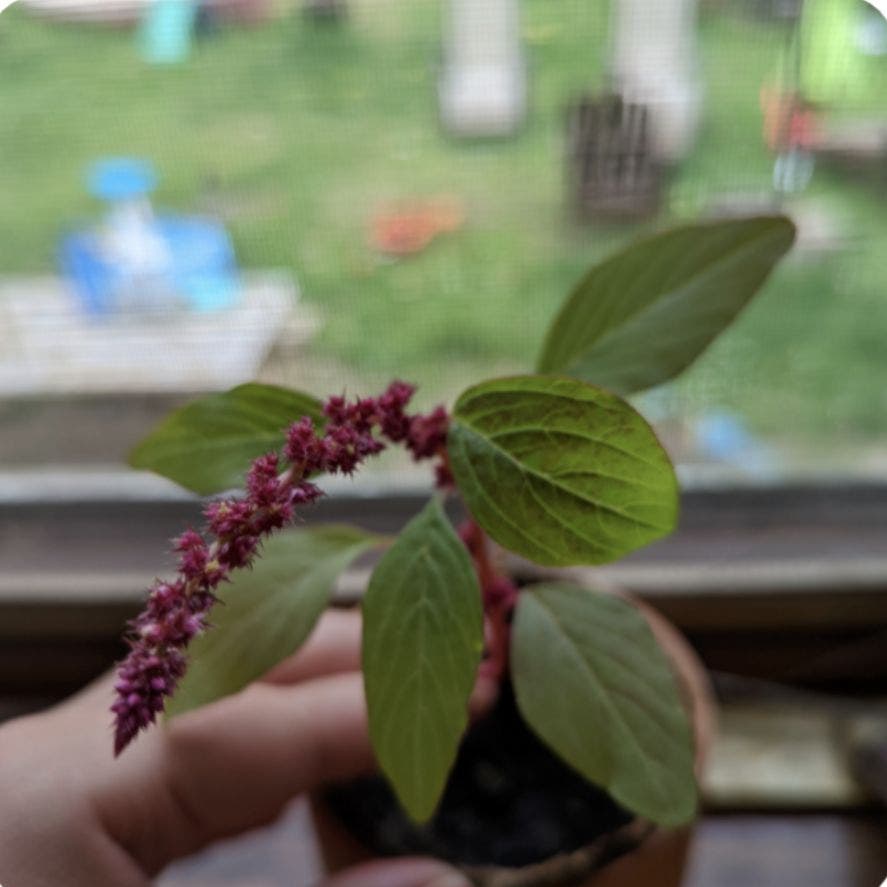
The flowering characteristics of Foxtail Amaranth are quite fascinating. The plant produces long, drooping flower spikes that have a feathery appearance, creating a striking visual effect.
🌈 Color Variations
These spikes come in an array of colors, including red, green, and yellow. Each color adds a unique touch to the garden, making it a favorite among ornamental plants.
🌸 Structure of the Flowers
The flowers are densely clustered along the spike, with tiny blooms that collectively create a bold statement. This structure not only attracts attention but also serves a functional purpose in reproduction.
🐝 Pollination Methods
Foxtail Amaranth is primarily self-pollinating, meaning it can fertilize itself without needing external help. However, it can also benefit from external pollinators, such as bees, enhancing its reproductive success.
Understanding these flowering characteristics is essential for anyone looking to cultivate Foxtail Amaranth. With this knowledge, you can better appreciate the plant's beauty and its role in the ecosystem.
Next, we will explore what happens if Foxtail Amaranth flowers, including its blooming process and how to encourage those beautiful blooms.
If It Flowers
🌸 Flower Characteristics
Description of Colors and Structure
Foxtail Amaranth showcases stunning flower spikes that are long, drooping, and feathery. These spikes can display vibrant colors, including red, green, or yellow, creating a striking visual appeal.
The structure of these flowers consists of dense clusters of tiny blooms along the spike. This unique formation adds to the plant's ornamental value, making it a favorite in gardens.
Self-Pollination vs. External Pollination
One fascinating aspect of Foxtail Amaranth is its self-pollinating nature. This means the plant can fertilize itself, ensuring a higher chance of seed production even in less-than-ideal conditions.
However, external pollination also plays a role. Various pollinators, such as bees and butterflies, can enhance the plant's reproductive success by transferring pollen between flowers.
🌼 Blooming Process
Stages of Blooming
The blooming process begins with bud formation, where the initial development of flower buds takes place. As these buds mature, they progress through several stages until they reach full bloom.
This journey from bud to bloom is a captivating transformation, showcasing the plant's resilience and beauty.
Typical Bloom Time and Duration from Bud to Full Bloom
Foxtail Amaranth typically blooms from summer to fall, aligning with warmer weather. The duration from bud formation to full bloom is approximately 4-6 weeks, allowing for a vibrant display during the growing season.
Lifespan of Flowers
Once in full bloom, the flowers usually remain vibrant for about 1-2 weeks. This relatively short lifespan emphasizes the importance of enjoying their beauty while it lasts.
🌱 Encouraging Blooms
Tips for Promoting Flowering
To encourage blooming, ensure your Foxtail Amaranth receives optimal sunlight exposure, ideally 6-8 hours daily. Additionally, provide well-draining, nutrient-rich soil to support healthy growth.
Consistent moisture is crucial, but avoid waterlogging to keep the roots happy and thriving.
Factors Influencing Flowering
Temperature plays a significant role in blooming. Foxtail Amaranth flourishes best in temperatures ranging from 20°C to 30°C (68°F to 86°F).
Balanced fertilization is also key, as nutrient availability can directly influence flowering success.
🌾 Post-Flowering
What Happens After Flowering
After flowering, the plant transitions into seed production. This phase is essential for the continuation of the species and marks a significant change in the plant's appearance.
As the flowers fade, the plant may take on a different look, signaling the end of one cycle and the beginning of another.
Life Cycle Characteristics
Foxtail Amaranth is typically an annual plant, meaning it completes its life cycle in one growing season. After flowering, the plant does not survive the winter, but it leaves behind seeds for future generations.
This cycle of life highlights the resilience and adaptability of Foxtail Amaranth, ensuring its presence in gardens year after year.
With a deeper understanding of the flowering process, you're now equipped to nurture your Foxtail Amaranth and enjoy its vibrant blooms! Next, let’s explore what happens if your plant doesn’t flower.
If It Doesn't Flower
🌿 Primary Ornamental or Functional Features
Foxtail Amaranth is not just about its flowers; its foliage is a standout feature. The vibrant green leaves provide a lush backdrop, enhancing any garden or landscape.
In addition to its visual appeal, the seeds of Foxtail Amaranth are packed with nutritional benefits. They are a rich source of protein, fiber, and essential vitamins, making them a valuable addition to a healthy diet.
🌱 Reproductive Strategies Without Flowers
Even without abundant flowering, Foxtail Amaranth can still reproduce effectively. The plant produces seeds that can develop even with limited flowering, ensuring its survival.
Moreover, vegetative propagation is another strategy it employs. This method allows the plant to grow new shoots from its roots or stems, contributing to its resilience and adaptability in various environments.
In summary, whether through its ornamental value or its nutritional seeds, Foxtail Amaranth remains a remarkable plant, thriving even when it doesn't bloom. Next, let’s explore some unique aspects that make this plant truly special.
Unique Aspects
🌼 Unusual Characteristics Related to Flowering or Non-Flowering Nature
Foxtail Amaranth showcases fascinating variations among its different varieties. Some may produce vibrant flowers, while others focus on lush foliage, making them visually appealing even without blooms.
These plants are also well-adapted to thrive in warm climates. Their resilience allows them to flourish in conditions that might challenge other species, showcasing their unique ability to survive and thrive.
🧐 Interesting Facts or Trivia
Historically, Foxtail Amaranth has held significant cultural importance. It has been used in traditional practices and rituals, reflecting its deep-rooted connection to various cultures.
Nutritionally, the seeds of Foxtail Amaranth are a powerhouse. They are rich in protein, fiber, and essential vitamins, making them a valuable addition to a healthy diet.
With these unique aspects in mind, understanding Foxtail Amaranth's characteristics can enhance your appreciation for this remarkable plant. Next, let’s explore its primary ornamental and functional features, especially when it doesn’t flower.
⚠️ Safety First
This content is for general information and may contain errors, omissions, or outdated details. It is not medical, veterinary advice, or an endorsement of therapeutic claims.
Always consult a qualified healthcare professional before using any plant as food, medicine, or supplement.
Never eat any plant (or feed one to pets) without confirming its identity with at least two trusted sources.
If you suspect poisoning, call Poison Control (800) 222-1222, the Pet Poison Helpline (800) 213-6680, or your local emergency service immediately.
Spotted an error? Please report it here.
Unlock vibrant blooms 🌺 for your Foxtail Amaranth with these tips, and let Greg guide you with tailored care reminders to keep your plants thriving!