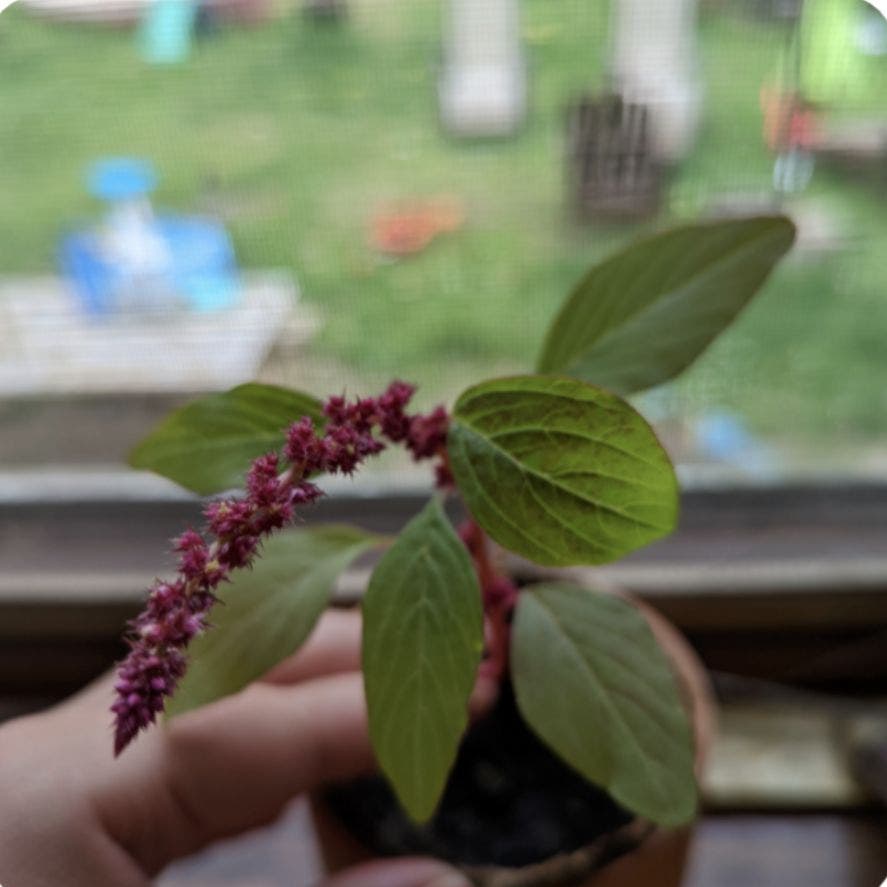
Top 3 Tips for Choosing Foxtail Amaranth Soil ⛏️
Amaranthus caudatus
By the Greg Editorial Team
Oct 19, 2024•3 min read
This article was created with the help of AI so we can cover more plants for you. May contain errors. See one? Report it here.
- 🌱 Foxtail amaranth thrives in loamy, well-draining, nutrient-rich soils for optimal growth.
- 🧪 Maintain soil pH between 6.0 and 7.0 for best results with foxtail amaranth.
- 🌿 Regularly test and enhance soil to prevent issues and support healthy plants.
Soil Requirements
🌱 Ideal Soil Composition
Choosing the right soil is crucial for growing foxtail amaranth. The preferred soil types are loamy or sandy soils.
Ideal soil should be well-draining to prevent waterlogging, nutrient-rich to support robust growth, and contain 20-30% organic matter for improved fertility.
⚖️ Recommended Soil pH Levels
The optimal pH range for foxtail amaranth is between 6.0 and 7.0, which is slightly acidic to neutral. This pH level is essential for nutrient availability, ensuring your plants can access the nutrients they need.
To test soil pH, you can use pH test kits or meters, which provide a straightforward way to assess your soil's acidity.
🚨 Identifying Unhealthy Soil
Signs of Unhealthy Soil
Recognizing unhealthy soil is key to maintaining plant health. Look for signs such as white or gray mold on the soil surface, which indicates potential issues.
Soil compaction is another red flag; hard, dense soil that resists digging can hinder root growth. Additionally, poor plant growth, such as stunted growth or yellowing leaves, signals that something is off.
How to Test Soil Health
Testing soil health can be done through various methods. Start with a visual inspection to check for mold, pests, and overall texture.
Next, perform a soil moisture test by squeezing a handful of soil; it should crumble easily. For a more detailed analysis, use soil test kits to check NPK (nitrogen, phosphorus, potassium) levels.
🛠️ Resolving Soil Issues
Solutions for Moldy Soil
If you encounter moldy soil, immediate action is necessary. Remove the affected soil and any plants showing signs of mold to prevent further spread.
To prevent mold in the future, improve air circulation around your plants and reduce watering frequency, allowing the soil to dry out adequately.
Techniques for Improving Soil Drainage
Improving soil drainage is vital for healthy plant growth. One effective method is incorporating organic matter, such as compost or well-rotted manure, to enhance soil structure.
Creating raised beds can also help improve drainage, allowing excess water to escape. Additionally, using sand or perlite can enhance soil texture, promoting better drainage.
🏡 Creating a Homemade Soil Mix
Step-by-Step Guide
Creating your own soil mix is simple and rewarding. Start by gathering materials: 40% loamy soil, 30% compost, 20% perlite or coarse sand, and 10% organic matter like leaf mold.
Mix these components thoroughly in a large container or wheelbarrow. After mixing, test the pH of your soil mix and adjust it if necessary to ensure optimal conditions for growth.
Recommended Ingredients for Optimal Growth
For the best results, choose high-quality compost, such as well-rotted vegetable matter or manure. Perlite is beneficial as it enhances drainage and aeration, crucial for healthy root development.
Consider using organic matter sources like leaf mold, peat moss, or coconut coir to enrich your soil further.
Tips for Adjusting Soil Texture and pH
To maintain the ideal soil conditions, you may need to adjust the texture and pH over time. Adding lime can raise the pH, while sulfur can lower it.
Incorporating additional organic matter will improve soil texture, making it more conducive to plant growth. Regularly testing your soil will help you maintain the desired pH and texture for optimal results.
With the right soil conditions established, you're well on your way to a thriving foxtail amaranth garden! Next, let’s explore how to identify and resolve common soil issues.
⚠️ Safety First
This content is for general information and may contain errors, omissions, or outdated details. It is not medical, veterinary advice, or an endorsement of therapeutic claims.
Always consult a qualified healthcare professional before using any plant as food, medicine, or supplement.
Never eat any plant (or feed one to pets) without confirming its identity with at least two trusted sources.
If you suspect poisoning, call Poison Control (800) 222-1222, the Pet Poison Helpline (800) 213-6680, or your local emergency service immediately.
Spotted an error? Please report it here.
Ensure your foxtail amaranth flourishes in the best soil 🌿 by using Greg's tailored tips and pH monitoring to create the ideal growing conditions!