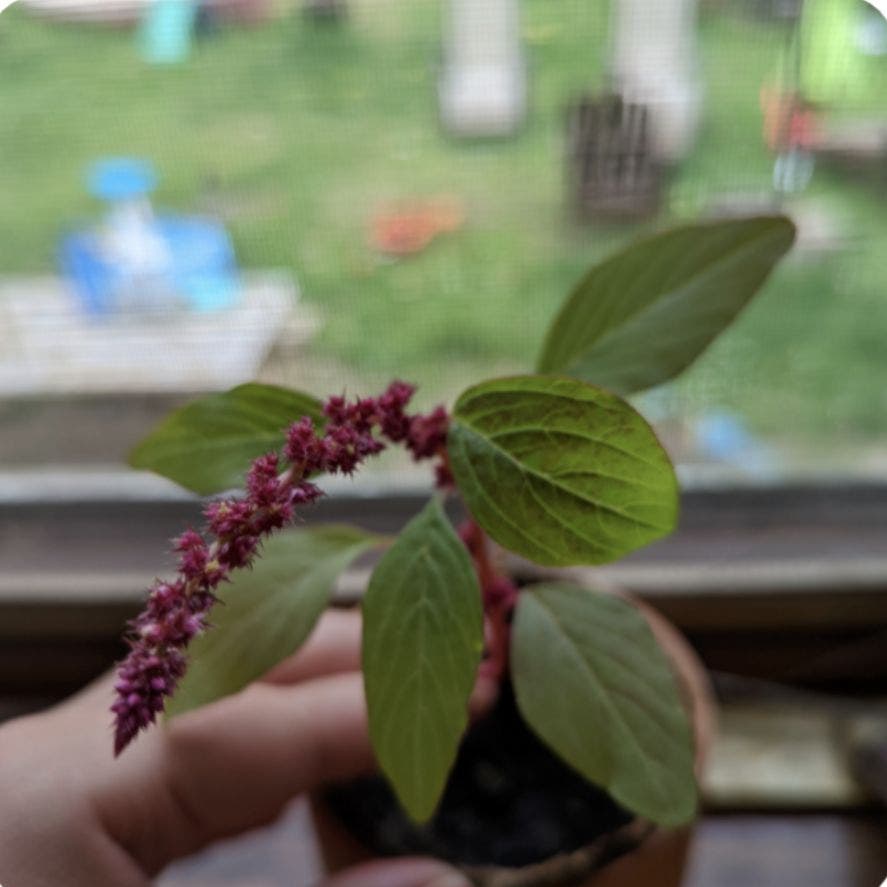
🌱 Step-by-Step Guide to Repotting Your Foxtail Amaranth
Amaranthus caudatus
By the Greg Editorial Team
Oct 19, 2024•6 min read
This article was created with the help of AI so we can cover more plants for you. May contain errors. See one? Report it here.
- 🌱 Signs your Foxtail Amaranth needs repotting: look for root-bound indicators and yellowing leaves.
- 🪴 Choose a pot 1-2 inches larger to promote healthy root growth and prevent stress.
- 💧 Proper post-repotting care includes thorough watering and monitoring for transplant shock.
Signs That Your Foxtail Amaranth Needs Repotting
🌱 Root Bound Indicators
If you notice roots visible through the drainage holes, it's a clear sign your Foxtail Amaranth is root bound. Additionally, roots circling the bottom of the pot indicate they’re cramped and need more space.
Stunted growth, even with proper care, is another red flag. If your plant seems to have hit a growth plateau, it might be time to repot.
🏺 Soil Condition
Pay attention to the soil's condition. If it dries out too quickly after watering, it may not be retaining moisture effectively.
Compacted soil or soil that looks depleted of nutrients can also signal that your plant needs a new home. Healthy soil is crucial for your plant's vitality.
🌿 Plant Health
Observe the overall health of your plant. Yellowing leaves or wilting, despite adequate watering, can indicate stress or nutrient deficiencies.
Reduced flowering or leaf production is another sign that your Foxtail Amaranth is struggling. These symptoms often point to the need for repotting to rejuvenate your plant's environment.
Recognizing these signs early can help ensure your Foxtail Amaranth thrives. Once you identify the need for repotting, you can move on to the step-by-step process to give your plant a fresh start.
Step-by-Step Repotting Process for Foxtail Amaranth
Repotting your Foxtail Amaranth can seem daunting, but with the right approach, it can be a rewarding experience. Follow these steps to ensure your plant thrives in its new home.
1. Gather Your Materials 🛠️
Start by collecting everything you need: a new pot, a suitable soil mix, and essential tools like a trowel and gloves. Having everything on hand makes the process smoother.
2. Choose the Right Pot Size 📏
Select a pot that is 1-2 inches larger in diameter than your current one. This extra space allows for healthy root growth without overwhelming the plant.
3. Prepare the New Pot 🪴
Before planting, add a layer of drainage material, such as gravel or broken pottery, at the bottom of the new pot. Next, fill it with an ideal soil mix: 50% potting soil, 30% perlite, and 20% compost for optimal drainage and nutrients.
4. Remove the Plant from Its Current Pot 🌱
Gently squeeze the sides of the current pot to loosen the soil. Carefully slide the plant out, supporting the base to prevent damage.
5. Inspect the Root System 🔍
Take a moment to examine the roots. Trim any damaged or dead roots and loosen tightly bound roots to encourage healthy growth.
6. Place the Plant in the New Pot 🌼
Position the plant at the same depth it was in the old pot. Fill in around it with soil, making sure to eliminate any air pockets that could hinder growth.
7. Water Thoroughly 💧
Finally, water the plant thoroughly to settle the soil. This step is crucial for helping the roots adjust to their new environment.
By following these steps, you’ll set your Foxtail Amaranth up for success in its new pot. Next, let’s explore the best pot materials to ensure your plant continues to thrive.
Pot Material Options for Foxtail Amaranth
Choosing the right pot material for your Foxtail Amaranth can significantly impact its growth and health. Here’s a breakdown of the most common materials and their pros and cons.
🎨 Ceramic
Ceramic pots are visually appealing and provide excellent insulation for roots. However, they can be heavy and may retain moisture, which could lead to root rot if not monitored closely.
🥤 Plastic
Plastic pots are lightweight and affordable, making them a popular choice. They offer good drainage options but are less breathable and can heat up quickly in direct sunlight.
🍂 Terracotta
Terracotta pots excel in drainage and are breathable, allowing roots to thrive. On the downside, they can dry out quickly and are more fragile than other materials.
🪣 Metal
Metal pots bring a modern aesthetic and are durable. However, they can overheat in direct sunlight and may rust over time, which can be detrimental to your plant.
🌱 Recommended Pot Materials for Optimal Growth
For the best results, consider using terracotta for its drainage capabilities or plastic for its lightweight nature. Both options cater to different needs while promoting healthy growth for your Foxtail Amaranth.
With the right pot material selected, you’re well on your way to ensuring your plant thrives. Next, let’s dive into the essential post-repotting care to keep your Foxtail Amaranth flourishing.
Post-Repotting Care for Foxtail Amaranth
💧 Watering Guidelines After Repotting
After repotting your Foxtail Amaranth, water it lightly to help settle the soil. Allow the top inch of soil to dry out before the next watering to prevent over-saturation.
☀️ Light Requirements Post-Repotting
Your plant will thrive best in bright, indirect sunlight right after repotting. Gradually reintroduce it to full sun after about a week to minimize stress.
👀 Monitoring for Transplant Shock
Keep an eye out for signs of transplant shock, such as wilting, yellowing leaves, or slowed growth. To mitigate these effects, maintain stable conditions and avoid overwatering, ensuring your plant adjusts smoothly to its new home.
With proper post-repotting care, your Foxtail Amaranth will bounce back beautifully, setting the stage for vibrant growth and flourishing blooms. Next, let’s explore common mistakes to avoid during the repotting process.
Common Mistakes in Repotting Foxtail Amaranth
🥴 Overpotting vs. Underpotting
Choosing the right pot size is crucial for your Foxtail Amaranth's health. Overpotting, or selecting a pot that's too large, can lead to excess moisture retention, which may cause root rot.
On the flip side, underpotting—a pot that's too small—restricts root growth and can stunt your plant's development. Finding that sweet spot is key to a thriving plant.
👀 Ignoring Root Health During Repotting
When repotting, don't overlook the importance of root health. Inspecting and trimming any damaged roots is essential for promoting new growth.
Additionally, loosening tightly wound roots can prevent future issues. Healthy roots are the foundation of a healthy plant.
🚿 Not Considering Drainage Needs
Drainage is a game-changer in plant care. Selecting pots without adequate drainage holes can lead to waterlogged soil, putting your plant at risk.
Moreover, using soil that retains too much moisture can exacerbate the problem, leading to root rot. Always prioritize drainage to keep your Foxtail Amaranth happy and healthy.
By avoiding these common pitfalls, you'll set your Foxtail Amaranth up for success. Next, let's dive into the post-repotting care that will help your plant thrive after its big move.
⚠️ Safety First
This content is for general information and may contain errors, omissions, or outdated details. It is not medical, veterinary advice, or an endorsement of therapeutic claims.
Always consult a qualified healthcare professional before using any plant as food, medicine, or supplement.
Never eat any plant (or feed one to pets) without confirming its identity with at least two trusted sources.
If you suspect poisoning, call Poison Control (800) 222-1222, the Pet Poison Helpline (800) 213-6680, or your local emergency service immediately.
Spotted an error? Please report it here.
Transform your Foxtail Amaranth into a thriving beauty 🌿 by using Greg's tailored care reminders to ensure it stays healthy and vibrant in its new pot!