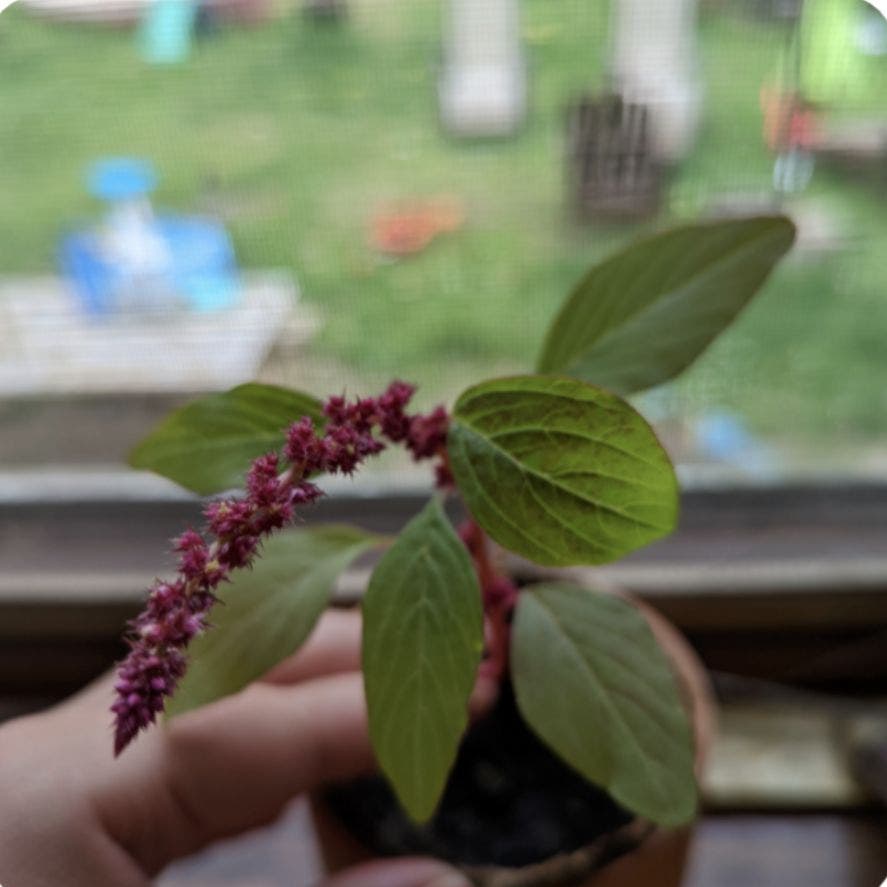
🪴 Ultimate Guide for When to Plant Foxtail Amaranth
Amaranthus caudatus
By the Greg Editorial Team
Oct 19, 2024•12 min read
This article was created with the help of AI so we can cover more plants for you. May contain errors. See one? Report it here.
- 🌱 Plant Foxtail Amaranth based on your region's climate for optimal growth.
- 🌡️ Monitor soil temperature and frost dates to ensure successful planting.
- 🏡 Start seeds indoors 4-6 weeks before the last frost for a head start.
Regional Planting Recommendations
🌴 Florida
The ideal planting window for Foxtail Amaranth in Florida is from March to June. The warm climate here allows for early planting, but keep an eye out for late frosts, especially in northern regions.
🌊 California
In California, the recommended planting window is April to June. Coastal areas may experience cooler temperatures, so adjust your planting schedule accordingly, while inland regions can plant earlier due to warmer soil.
🤠 Texas
For Texas, the planting window also falls between April and June. Given the state's varied climate zones, northern Texas may require a later planting, so monitoring soil temperatures is crucial for optimal growth.
🗽 New York
In New York, aim to plant Foxtail Amaranth from late May to early June. Be cautious of late frosts; ensuring the soil is warm enough before planting will help secure a successful crop.
🏔️ Colorado
Colorado's planting window is similar, with recommendations for late May to early June. Higher elevation areas may need to delay planting due to cooler temperatures, so plan accordingly.
🌽 Ohio
Ohio also recommends planting from late May to early June. It's essential to monitor local frost dates and soil temperatures to ensure the best conditions for your plants.
These regional recommendations provide a solid foundation for successful Foxtail Amaranth planting. Understanding your local climate and conditions will help you make informed decisions as you prepare for planting. Next, let’s explore effective seed starting techniques to get your garden off to a great start.
Seed Starting Techniques
Indoor Seed Starting 🌱
Starting seeds indoors is a fantastic way to get a jump on the growing season. Aim to start your Foxtail Amaranth seeds 4-6 weeks before the last frost date.
To ensure success, follow these steps:
- Use seed trays with good drainage.
- Fill them with seed starting mix and moisten it.
- Sow seeds at a depth of 1/4 inch.
- Maintain temperatures between 70°F and 80°F (21°C to 27°C).
- Provide adequate light; grow lights are highly recommended.
This method not only gives your plants a head start but also allows you to control their early environment.
Direct Sowing 🌾
Once the last frost has passed and soil temperatures are optimal, it’s time for direct sowing. This method is moderately challenging but rewarding.
Here’s how to do it effectively:
- Prepare the garden bed by tilling and removing weeds.
- Create furrows that are 1/4 inch deep.
- Space seeds 12 inches apart for optimal growth.
- Water gently to avoid displacing the seeds.
Direct sowing connects you with the earth, making it a fulfilling experience as you watch your plants thrive.
Conclusion 🌟
Whether you choose indoor seed starting or direct sowing, both techniques offer unique advantages. Each method allows you to engage with your plants from the very beginning, setting the stage for a successful growing season.
Next, let’s explore the factors that influence planting time, ensuring you’re fully prepared for the journey ahead.
Factors Influencing Planting Time
🌍 Climate Zones
Understanding USDA planting zones is crucial for successful Foxtail Amaranth cultivation. These zones help you determine the best planting times based on your local climate.
Warmer zones typically allow for earlier planting. In contrast, cooler zones require careful timing to avoid frost, which can damage young plants.
🌱 Soil Conditions
Well-drained soil is essential for healthy Foxtail Amaranth growth. Poor drainage can lead to root rot and other issues.
To prepare your soil, start by testing the pH. Aim for a range of 6.0 to 7.0 for optimal growth. Additionally, amending your soil with organic matter can significantly improve drainage and nutrient availability.
☁️ Weather Patterns
Seasonal weather patterns, such as El Niño and La Niña, can greatly influence your planting schedule. These phenomena can lead to unexpected changes in temperature and precipitation.
It's vital to monitor local weather forecasts regularly. Staying informed will help you adjust your planting plans as needed, ensuring the best possible conditions for your Foxtail Amaranth.
With these factors in mind, you're better equipped to choose the right time for planting. Next, let’s explore effective seed starting techniques to maximize your success.
Comprehensive Planting Guide
When it comes to planting Foxtail Amaranth, timing is everything. Below is a detailed guide for all 52 states, highlighting the best months for planting based on climate and frost dates.
🌱 Planting Times by State
| State | Recommended Planting Months | Unique Considerations |
|---|---|---|
| Alabama | March to June | Warm climate allows for early planting. |
| Alaska | June to July | Short growing season; choose fast-maturing varieties. |
| Arizona | March to June | Inland areas can plant earlier. |
| Arkansas | April to June | Monitor for late frosts in northern regions. |
| California | April to June | Coastal areas may need to adjust for cooler temps. |
| Colorado | Late May to early June | Higher elevations require later planting. |
| Connecticut | Late May to early June | Risk of late frosts; ensure soil warmth. |
| Delaware | Late May to early June | Monitor local frost dates closely. |
| Florida | March to June | Early planting is ideal due to warmth. |
| Georgia | March to June | Warm climate supports early sowing. |
| Hawaii | Year-round | Consistent temperatures allow flexibility. |
| Idaho | Late May to early June | Cooler regions may need to wait longer. |
| Illinois | Late May to early June | Monitor soil temperatures closely. |
| Indiana | Late May to early June | Risk of late frosts; check local forecasts. |
| Iowa | Late May to early June | Ensure soil is warm enough before planting. |
| Kansas | April to June | Varied climate zones; adjust accordingly. |
| Kentucky | Late May to early June | Monitor frost dates for optimal timing. |
| Louisiana | March to June | Warm climate allows for early planting. |
| Maine | Late May to early June | Risk of late frosts; ensure soil warmth. |
| Maryland | Late May to early June | Monitor local frost dates closely. |
| Massachusetts | Late May to early June | Risk of late frosts; check soil temperature. |
| Michigan | Late May to early June | Monitor frost dates and soil warmth. |
| Minnesota | Late May to early June | Short growing season; choose fast-maturing varieties. |
| Mississippi | March to June | Warm climate supports early sowing. |
| Missouri | April to June | Monitor soil temperatures for optimal conditions. |
| Montana | Late May to early June | Cooler regions may need to wait longer. |
| Nebraska | Late May to early June | Ensure soil is warm enough before planting. |
| Nevada | April to June | Inland areas can plant earlier. |
| New Hampshire | Late May to early June | Risk of late frosts; ensure soil warmth. |
| New Jersey | Late May to early June | Monitor local frost dates closely. |
| New Mexico | April to June | Warmer areas can plant earlier. |
| New York | Late May to early June | Risk of late frosts; check soil temperature. |
| North Carolina | March to June | Warm climate allows for early planting. |
| North Dakota | Late May to early June | Short growing season; choose fast-maturing varieties. |
| Ohio | Late May to early June | Monitor local frost dates and soil temperatures. |
| Oklahoma | April to June | Varied climate zones; adjust accordingly. |
| Oregon | April to June | Coastal areas may have cooler temperatures. |
| Pennsylvania | Late May to early June | Risk of late frosts; ensure soil warmth. |
| Rhode Island | Late May to early June | Monitor local frost dates closely. |
| South Carolina | March to June | Warm climate supports early sowing. |
| South Dakota | Late May to early June | Short growing season; choose fast-maturing varieties. |
| Tennessee | March to June | Warm climate allows for early planting. |
| Texas | April to June | Varied climate zones; northern areas may require later planting. |
| Utah | April to June | Inland areas can plant earlier. |
| Vermont | Late May to early June | Risk of late frosts; ensure soil warmth. |
| Virginia | Late May to early June | Monitor local frost dates closely. |
| Washington | April to June | Coastal areas may have cooler temperatures. |
| West Virginia | Late May to early June | Monitor local frost dates closely. |
| Wisconsin | Late May to early June | Short growing season; choose fast-maturing varieties. |
| Wyoming | Late May to early June | Cooler regions may need to wait longer. |
💭 Final Thoughts
Understanding the specific planting times for your state is crucial for a successful harvest of Foxtail Amaranth. Always keep an eye on local frost dates and soil temperatures to ensure optimal conditions for planting.
Next, let’s dive into the seed starting techniques that will set you up for success!
⚠️ Safety First
This content is for general information and may contain errors, omissions, or outdated details. It is not medical, veterinary advice, or an endorsement of therapeutic claims.
Always consult a qualified healthcare professional before using any plant as food, medicine, or supplement.
Never eat any plant (or feed one to pets) without confirming its identity with at least two trusted sources.
If you suspect poisoning, call Poison Control (800) 222-1222, the Pet Poison Helpline (800) 213-6680, or your local emergency service immediately.
Spotted an error? Please report it here.
Planting Foxtail Amaranth is a breeze 🌿 with Greg's tailored reminders and expert tips, ensuring you hit the perfect timing and conditions for a thriving garden!