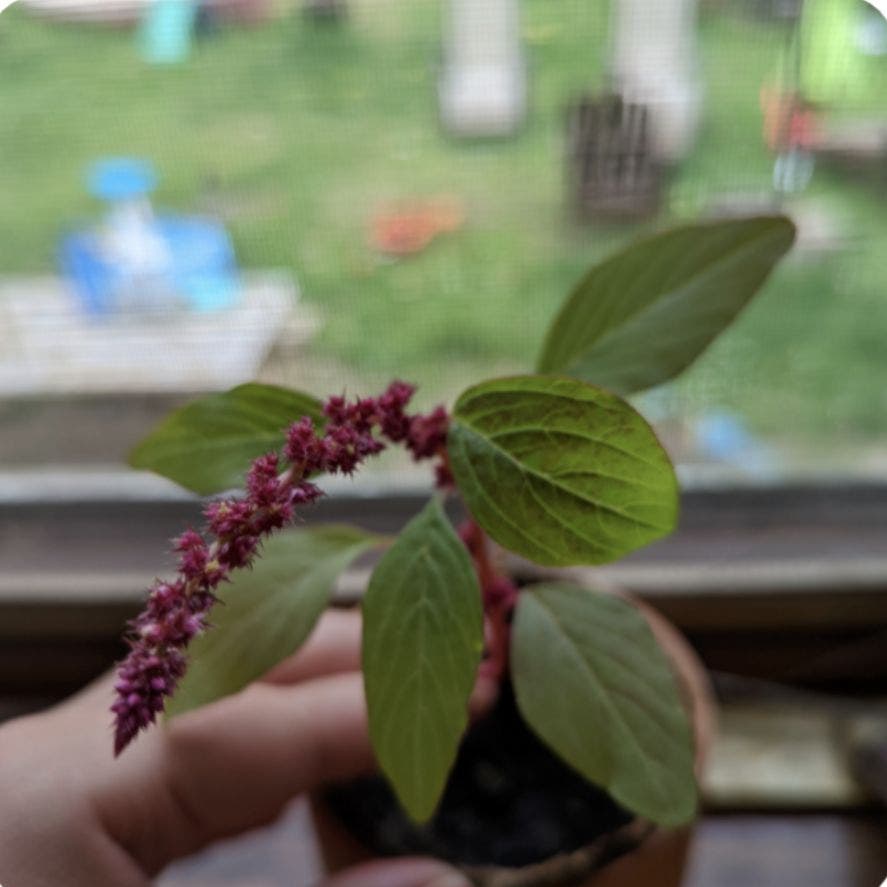
❤️ 5 Companions to Boost Your Love-Lies-Bleeding's Growth
Amaranthus caudatus
By the Greg Editorial Team
Oct 16, 2024•3 min read
This article was created with the help of AI so we can cover more plants for you. May contain errors. See one? Report it here.
- 🌼 Marigolds and nasturtiums repel pests, boosting Love-Lies-Bleeding's growth effectively.
- 🌱 Basil and zinnias attract beneficial insects, enhancing garden health and aesthetics.
- ❌ Avoid cabbage and fennel to prevent nutrient competition and support Love-Lies-Bleeding.
Best Companion Plants for Love-Lies-Bleeding
🌼 Plant 1: Marigold
Marigolds are a gardener's best friend, boasting bright yellow and orange flowers that not only beautify your garden but also attract essential pollinators. Their natural pest-repellent properties make them effective against nematodes and aphids, ensuring your Love-Lies-Bleeding thrives in a healthy environment.
🌿 Plant 2: Basil
Basil is more than just a culinary delight; it’s a powerhouse in the garden. This aromatic herb deters pests like aphids and spider mites while sharing similar watering and sunlight needs, making it a perfect companion for Love-Lies-Bleeding.
🌸 Plant 3: Zinnias
Zinnias bring vibrant color and life to your garden. These annual flowers attract beneficial insects such as ladybugs and provide a stunning visual contrast to the cascading spikes of Love-Lies-Bleeding, all while thriving in full sun.
🌱 Plant 4: Nasturtium
Nasturtiums are a delightful addition, offering edible flowers and leaves that add both color and flavor to your dishes. They serve as a trap crop for aphids, drawing these pests away from Love-Lies-Bleeding, and they thrive in similar soil conditions, promoting healthy growth.
🌻 Plant 5: Sunflowers
Sunflowers are not just tall and striking; they also enhance your garden's vertical interest. These giants attract pollinators and beneficial insects, contributing to overall garden health while sharing the full sun requirements that make them compatible companions for Love-Lies-Bleeding.
Companion planting is a fantastic way to create a thriving garden ecosystem. By choosing the right plants, you can enhance growth, deter pests, and create a visually stunning space. Next, let’s explore which plants to avoid near Love-Lies-Bleeding to ensure optimal growth.
Plants to Avoid Near Love-Lies-Bleeding
Plant 1: Cabbage Family (e.g., Broccoli, Cauliflower) 🥦
When planning your garden, steer clear of the cabbage family. These plants compete fiercely for nutrients and space, which can stunt the growth of your Love-Lies-Bleeding.
Additionally, they attract pests like cabbage worms. These pests can quickly become a problem for your Love-Lies-Bleeding, leading to potential damage.
Plant 2: Fennel 🌿
Fennel is another plant to avoid. Its allelopathic properties can inhibit the growth of nearby plants, including your beloved Love-Lies-Bleeding.
Moreover, fennel can attract pests that may harm your plants. Keeping fennel at bay will help maintain a healthier garden environment.
By being mindful of these plants, you can create a thriving space for your Love-Lies-Bleeding. Next, let’s explore how companion planting can enhance pest management in your garden.
Pest Management through Companion Planting
Companion planting is a powerful strategy for managing pests in your garden. By selecting the right plants, you can create a natural ecosystem that minimizes pest populations.
🌿 Natural Repellents and Trap Crops
Certain plants act as natural repellents, deterring pests from your Love-Lies-Bleeding. For example, marigolds are renowned for their ability to repel nematodes and aphids.
Trap crops are another effective method. These are plants that attract pests away from your main crops, reducing damage. Nasturtiums serve this purpose well by drawing aphids away from Love-Lies-Bleeding.
🐞 Encouraging Beneficial Insects
Companion plants also encourage beneficial insects that prey on harmful pests. For instance, zinnias attract ladybugs, which feast on aphids, helping to keep your garden healthy.
Basil is another excellent companion, as it not only deters pests like spider mites but also attracts pollinators. This creates a thriving environment for your Love-Lies-Bleeding to flourish.
🌼 Examples of Pest-Repellent Companions
- Marigolds: Effective against nematodes and aphids.
- Basil: Deters aphids and spider mites while attracting pollinators.
By integrating these companion plants, you can enhance your garden's health and ensure your Love-Lies-Bleeding thrives. This approach not only protects your plants but also fosters a vibrant ecosystem.
Next, let’s explore which plants to avoid near Love-Lies-Bleeding to ensure optimal growth.
⚠️ Safety First
This content is for general information and may contain errors, omissions, or outdated details. It is not medical, veterinary advice, or an endorsement of therapeutic claims.
Always consult a qualified healthcare professional before using any plant as food, medicine, or supplement.
Never eat any plant (or feed one to pets) without confirming its identity with at least two trusted sources.
If you suspect poisoning, call Poison Control (800) 222-1222, the Pet Poison Helpline (800) 213-6680, or your local emergency service immediately.
Spotted an error? Please report it here.
Boost your Love-Lies-Bleeding's growth with smart companions like marigolds and basil, and let Greg guide you with tailored care tips for a flourishing garden! 🌼