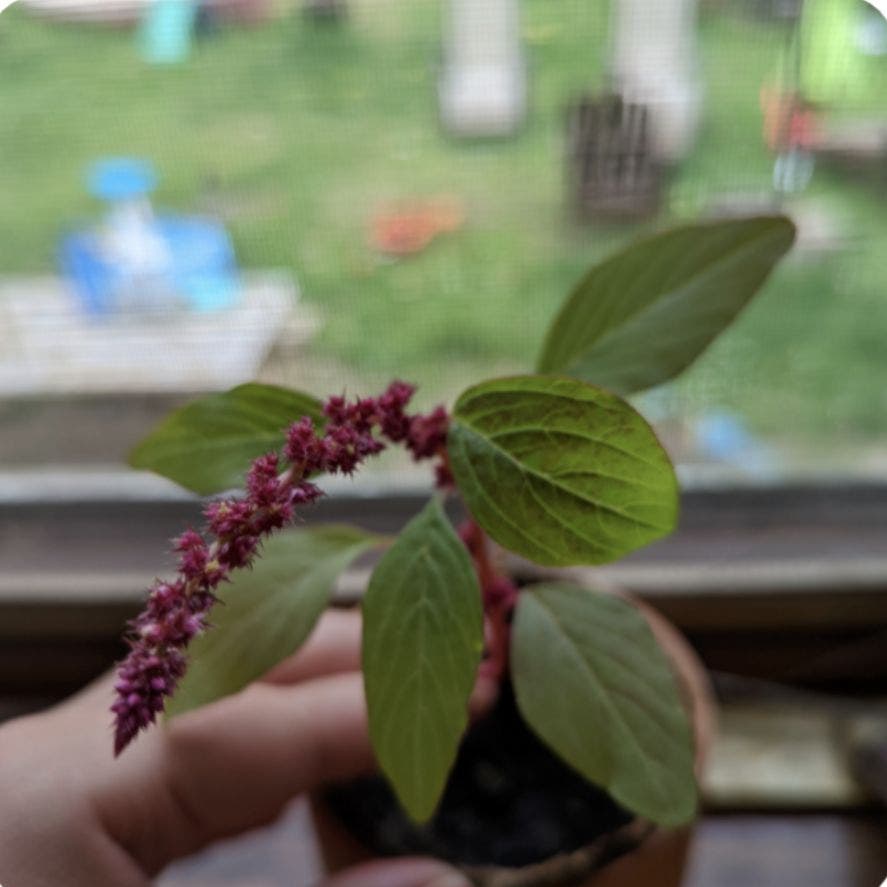
❤️ Ultimate Guide to Love-Lies-Bleeding Varieties
Amaranthus caudatus
By the Greg Editorial Team
Oct 16, 2024•6 min read
This article was created with the help of AI so we can cover more plants for you. May contain errors. See one? Report it here.
- 🌈 Love-Lies-Bleeding offers diverse cultivars, each with unique colors and characteristics.
- 🌿 Tailored care is essential for optimal growth, including specific watering and soil needs.
- 🌞 Most varieties thrive in full sun, enhancing garden aesthetics and visual appeal.
Popular Cultivars
🌼 Description of Each Cultivar
'Green Tails'
'Green Tails' stands out with its unique green flower clusters and a trailing habit. This cultivar is perfect for ornamental gardens and hanging baskets, adding a fresh touch to any space.
'Burgundy'
With its deep burgundy color and robust growth, 'Burgundy' serves as a striking focal point in garden design. Its vibrant hue draws the eye, making it a must-have for any garden enthusiast.
'Love-Lies-Bleeding'
The classic 'Love-Lies-Bleeding' features drooping red flowers that are both beautiful and traditional. This cultivar is ideal for cut flowers and ornamental displays, bringing a timeless elegance to arrangements.
🌟 Unique Features and Characteristics
Growth Habits and Flower Density
Each cultivar exhibits distinct growth habits and flower density. For instance, 'Green Tails' has a more sprawling nature, while 'Burgundy' tends to grow upright and robust.
Foliage Color and Texture Variations
Foliage color and texture also vary significantly among these cultivars. While 'Green Tails' offers a softer green, 'Burgundy' showcases a richer, darker leaf, enhancing the overall visual appeal of your garden.
These popular cultivars not only bring beauty but also diversity to your gardening experience. Understanding their unique traits can help you choose the right plants for your specific needs and preferences.
Hybrid Varieties
🌟 Notable Hybrids and Their Traits
'Amaranthus caudatus x Amaranthus hypochondriacus'
This hybrid boasts enhanced drought tolerance, making it a resilient choice for various climates. Its unique flower shapes add an artistic flair, perfect for those looking to spice up their gardens.
- Uses: This versatile hybrid shines in both ornamental and edible applications. Whether you're looking to beautify your space or add to your culinary repertoire, this cultivar fits the bill.
'Red Army'
The 'Red Army' hybrid is known for its compact growth and vibrant red flowers. This makes it an excellent option for smaller garden spaces or container gardening.
- Uses: Ideal for those with limited space, it brings a bold splash of color without overwhelming your garden. Its compact nature allows for easy integration into any design.
These hybrids not only enhance the visual appeal of your garden but also offer practical benefits. As you explore these varieties, consider how their unique traits can complement your gardening goals.
Next, let’s dive into the rare varieties that can add a touch of exclusivity to your collection.
Rare Varieties
'Golden Tails' 🌼
'Golden Tails' is a standout among rare Love-Lies-Bleeding varieties. Its unique yellow flower clusters are not just eye-catching; they also feature a distinctive texture that sets them apart from more common cultivars.
Availability can be a challenge. You won't find 'Golden Tails' in every nursery, making it a prized possession for collectors and gardening enthusiasts alike.
'Rainbow' 🌈
Another gem in the rare category is 'Rainbow.' This cultivar boasts multi-colored flower clusters that showcase a stunning array of hues, adding a vibrant touch to any garden.
However, 'Rainbow' is not easily accessible. It's often propagated by dedicated enthusiasts, making it a rare find that can elevate your garden's aesthetic.
These rare varieties not only enhance visual interest but also spark conversations among fellow gardeners. Their scarcity adds to their allure, making them a worthwhile addition for those looking to stand out in the gardening community.
As you explore these unique options, consider how they can complement your existing garden design. Next, we’ll delve into the captivating color variations within the Love-Lies-Bleeding family.
Color Variations
🌹 Red and Burgundy Varieties
Red and burgundy cultivars of love-lies-bleeding are some of the most striking options for any garden. The classic 'Love-Lies-Bleeding' features drooping red flowers that create a dramatic effect, while 'Burgundy' offers a deep, rich hue that stands out as a focal point in garden design.
These vibrant colors not only catch the eye but also influence the overall aesthetics of your garden. They can create a sense of warmth and passion, making them perfect for borders or as standalone features.
💚 Green and Yellow Varieties
Green and yellow cultivars add a refreshing twist to the traditional palette. 'Green Tails' showcases unique green flower clusters that trail beautifully, making it ideal for hanging baskets and ornamental gardens.
On the other hand, 'Golden Tails' presents rare yellow flower clusters that are often sought after by collectors. These colors can brighten up shaded areas and provide a lively contrast to darker foliage.
🎨 Unique Patterns and Textures
Variegated leaves and unique flower textures can elevate your garden's visual interest. Some cultivars feature leaves with striking patterns that add depth and complexity to your planting scheme.
These variations not only enhance aesthetics but also create focal points that draw the eye. Incorporating these unique features can transform an ordinary garden into a vibrant tapestry of color and texture.
As you explore the diverse color variations of love-lies-bleeding, consider how these choices can complement your overall garden design. Next, we'll delve into the size differences among these captivating cultivars.
Size Differences
Tall vs. Short Varieties 🌱
When it comes to Love-Lies-Bleeding cultivars, height can vary significantly. For instance, 'Love-Lies-Bleeding' typically reaches impressive heights of 3 to 4 feet, while 'Red Army' remains compact at about 1 to 2 feet.
Understanding these height differences is crucial for effective garden design. Taller varieties can serve as striking backdrops, while shorter ones are perfect for the front of borders or in containers.
Growth Habits and Spacing Requirements 📏
Spacing is essential for healthy growth. Taller varieties like 'Burgundy' need about 18 to 24 inches between plants to allow for their robust growth. In contrast, shorter varieties such as 'Red Army' can be spaced closer together, around 12 to 18 inches.
Consider companion planting to maximize your garden's potential. Pairing taller plants with shorter ones can create a visually appealing layered effect, enhancing both aesthetics and plant health. This strategy not only optimizes space but also promotes better air circulation and light exposure.
With these insights, you can confidently plan your Love-Lies-Bleeding garden, ensuring each cultivar thrives in its designated spot. Next, we'll explore the special care requirements that will keep your plants flourishing.
Special Care Requirements
Specific Needs for Different Cultivars 🌱
Caring for Love-Lies-Bleeding cultivars requires attention to their unique watering and fertilization needs. For instance, 'Green Tails' thrives with moderate watering, while 'Burgundy' prefers slightly drier conditions.
Fertilization also varies; some cultivars benefit from a balanced fertilizer every few weeks, while others, like 'Love-Lies-Bleeding,' do well with minimal feeding. It's crucial to monitor each plant's health to adjust care accordingly.
Pest management is another key aspect. 'Red Army' may attract aphids, so regular checks and organic insecticides can help maintain its vibrant growth. Meanwhile, 'Amaranthus caudatus x Amaranthus hypochondriacus' is generally more resilient but still requires vigilance against common pests.
Environmental Preferences ☀️
Understanding the environmental preferences of these plants is essential for their success. Most Love-Lies-Bleeding varieties thrive in full sun, needing at least six hours of direct sunlight daily. However, some can tolerate partial shade, especially in hotter climates.
Soil type plays a significant role too. These plants prefer well-draining soil to prevent root rot, but they also appreciate nutrient-rich environments. A mix of compost and sandy soil can create the perfect balance for healthy growth.
By tailoring care to each cultivar's specific needs, you can ensure a thriving garden filled with vibrant colors and textures. Next, let's explore the size differences among these captivating varieties.
⚠️ Safety First
This content is for general information and may contain errors, omissions, or outdated details. It is not medical, veterinary advice, or an endorsement of therapeutic claims.
Always consult a qualified healthcare professional before using any plant as food, medicine, or supplement.
Never eat any plant (or feed one to pets) without confirming its identity with at least two trusted sources.
If you suspect poisoning, call Poison Control (800) 222-1222, the Pet Poison Helpline (800) 213-6680, or your local emergency service immediately.
Spotted an error? Please report it here.
Transform your garden with the vibrant diversity of Love-Lies-Bleeding cultivars, and let Greg provide you with personalized care tips and reminders to help each unique variety flourish! 🌱