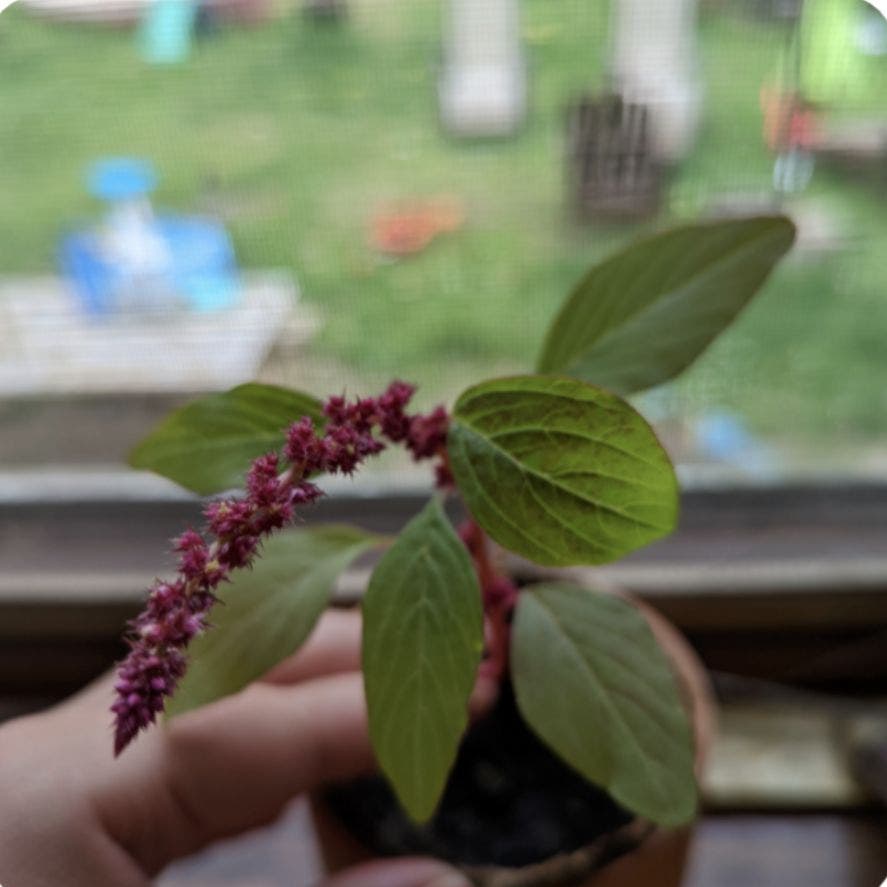
❤️ Ultimate Guide to Fixing Droopy Leaves on Love-Lies-Bleeding
Amaranthus caudatus
By the Greg Editorial Team
Oct 16, 2024•4 min read
This article was created with the help of AI so we can cover more plants for you. May contain errors. See one? Report it here.
- 💧 Overwatering and underwatering both cause droopy leaves; check soil moisture regularly.
- 🌱 Nutrient deficiencies can lead to pale leaves; use balanced fertilizer every 4-6 weeks.
- 🌞 Maintain humidity and avoid direct sunlight to support recovery of droopy Love-Lies-Bleeding.
Causes of Droopy Leaves
💧 Overwatering
Overwatering is a common culprit behind droopy leaves. Symptoms include yellowing leaves, soggy soil, and even root rot.
To remedy this, allow the soil to dry out completely before watering again. Improving drainage by repotting in well-draining soil can also make a significant difference.
🚰 Underwatering
On the flip side, underwatering can lead to dry, crispy leaves and soil that pulls away from the pot.
To fix this, water thoroughly until excess drains out. Establishing a consistent watering schedule will help maintain moisture levels.
🌱 Nutrient Deficiency
Nutrient deficiencies, particularly in nitrogen, potassium, and magnesium, can stunt growth and cause pale leaves.
Using a balanced fertilizer every 4-6 weeks during the growing season can replenish nutrients. Additionally, conducting a soil test will help you determine specific nutrient levels.
🐛 Pest-Related Issues
Pests like aphids, spider mites, and whiteflies can wreak havoc on your plants. Look for symptoms such as sticky residue, webbing, or visible insects.
Regularly inspecting your plants for pests is crucial. If you spot any, using insecticidal soap or neem oil can effectively treat the problem.
Understanding these causes is essential for keeping your Love-Lies-Bleeding healthy. With the right care, you can prevent droopy leaves and promote vibrant growth.
Preventive Measures
💧 Proper Watering Techniques
To keep your Love-Lies-Bleeding thriving, start by checking the soil moisture before watering. This simple step can prevent both overwatering and underwatering, ensuring your plant gets just the right amount of hydration.
Deep watering is another effective technique. It encourages roots to grow deeper, making your plant more resilient and better able to access moisture.
🌱 Soil Selection and Drainage
Choosing the right soil is crucial. A well-draining potting mix enriched with organic matter provides the ideal environment for your plant.
Additionally, ensure your pots have drainage holes. Incorporating materials like perlite or sand can further enhance drainage, preventing waterlogged roots.
🌡️ Ideal Humidity and Temperature
Maintaining the right humidity levels is key for optimal growth. Aim for a humidity range of 40-60% to keep your Love-Lies-Bleeding happy.
Temperature also plays a significant role. Keep your plant in a range of 65°F to 85°F (18°C to 29°C) and monitor conditions, adjusting care during extreme weather changes.
By implementing these preventive measures, you can create a nurturing environment that minimizes the risk of droopy leaves. This proactive approach not only enhances your plant's health but also enriches your gardening experience.
Next, let’s explore step-by-step solutions for reviving droopy leaves when they do occur.
Step-by-Step Solutions
Reviving Droopy Leaves 🌱
Reviving droopy leaves on your Love-Lies-Bleeding plant requires a careful approach. Start by assessing the watering needs; check the soil moisture level to determine if it’s too dry or too wet.
Next, adjust your watering schedule accordingly. If the soil is dry, water thoroughly until excess drains out. Conversely, if it’s soggy, allow the soil to dry out completely before watering again.
Finally, provide indirect sunlight during the recovery phase. Avoid placing your plant in harsh, direct sunlight, as this can stress it further.
Adjusting Care Routines 🌦️
Your care routine should adapt with the seasons. In spring and summer, increase both watering frequency and fertilization to support growth.
As fall and winter approach, reduce watering and fertilization. This adjustment is crucial as the plant's growth slows during these cooler months.
By following these steps, you can effectively revive your Love-Lies-Bleeding plant and keep it thriving throughout the year. Next, let’s explore some common misconceptions about droopy leaves and clarify care requirements.
Common Misconceptions
🌱 Myths About Droopy Leaves
One common misconception is that droopy leaves always mean your plant is overwatered. In reality, droopiness can also stem from underwatering or nutrient deficiencies, making it crucial to assess the situation carefully.
Understanding the symptoms associated with each issue can help you diagnose the problem more accurately. For instance, yellowing leaves often indicate overwatering, while dry, crispy leaves suggest underwatering.
📚 Clarifying Care Requirements
To effectively care for your Love-Lies-Bleeding, it's essential to grasp its specific needs. This means balancing watering, nutrients, and environmental conditions to promote healthy growth.
Regularly checking soil moisture and adjusting your care routine based on seasonal changes can make a significant difference. Remember, a well-informed approach leads to a thriving plant, so take the time to understand what your Love-Lies-Bleeding truly requires.
With these insights, you’re better equipped to nurture your plant and prevent droopy leaves in the future. Next, let’s explore some preventive measures to keep your plant healthy and vibrant.
⚠️ Safety First
This content is for general information and may contain errors, omissions, or outdated details. It is not medical, veterinary advice, or an endorsement of therapeutic claims.
Always consult a qualified healthcare professional before using any plant as food, medicine, or supplement.
Never eat any plant (or feed one to pets) without confirming its identity with at least two trusted sources.
If you suspect poisoning, call Poison Control (800) 222-1222, the Pet Poison Helpline (800) 213-6680, or your local emergency service immediately.
Spotted an error? Please report it here.
Transform your droopy Love-Lies-Bleeding into a vibrant beauty 🌿 with Greg's tailored watering alerts and nutrient guidance that ensure your plant thrives!