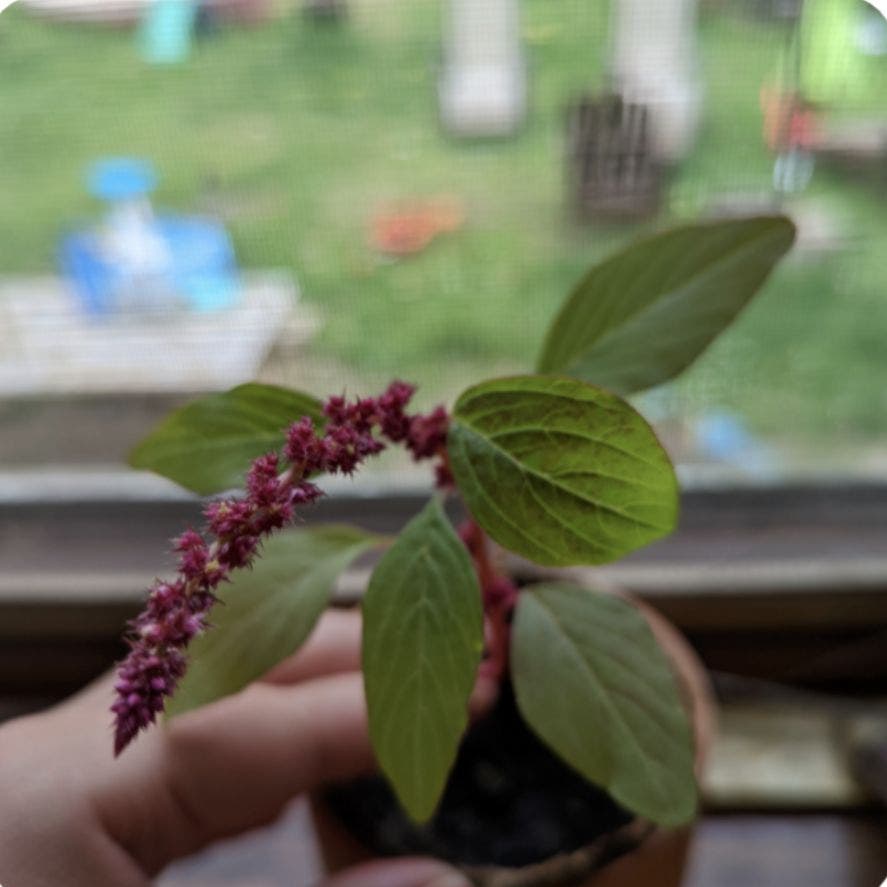
❤️ When to Repot Love-Lies-Bleeding
Amaranthus caudatus
By the Greg Editorial Team
Oct 16, 2024•6 min read
This article was created with the help of AI so we can cover more plants for you. May contain errors. See one? Report it here.
- 🌱 Repot when roots grow out of drainage holes or circle the pot.
- 🌼 Spring is the best time to repot for optimal growth and adjustment.
- 🚫 Avoid repotting during flowering or extreme temperatures to reduce stress.
Signs That Indicate It's Time to Repot
🌱 Root Bound Indicators
One of the first signs that your Love-Lies-Bleeding needs repotting is when roots start growing out of the drainage holes. This is a clear indication that the plant has outgrown its current home.
Another telltale sign is when you notice roots circling the pot's interior. This behavior suggests that the plant is becoming root-bound, which can hinder its growth.
If your plant is showing stunted growth despite receiving proper care, it’s time to consider repotting. A healthy plant should thrive, so any signs of stagnation are worth investigating.
📏 Growth Assessment
Keep an eye on the leaves; yellowing or wilting can signal that your plant is unhappy. These symptoms often indicate that the roots are struggling to absorb nutrients effectively.
Reduced flowering or leaf drop is another red flag. If your Love-Lies-Bleeding isn’t blooming as it should, it might be time for a new pot.
Lastly, measure the growth rate. If you notice a significant slowdown, it’s a strong indicator that your plant may need more space to flourish.
Recognizing these signs early can help ensure your plant remains healthy and vibrant. Transitioning to a new pot can rejuvenate its growth and vitality.
Best Practices for Repotting
Timing for Repotting 🌱
Repotting your Love-Lies-Bleeding is best done in spring, just before the growing season kicks off. This timing allows the plant to adjust and thrive in its new environment.
Avoid repotting during flowering or when temperatures are extreme. Stressing the plant during these times can hinder its growth and overall health.
Step-by-Step Repotting Guide 🛠️
Choose a New Pot: Select a pot that is 1-2 inches larger in diameter than the current one. This gives the roots room to grow without overwhelming them.
Prepare Potting Soil: Use a well-draining potting mix. This is crucial for preventing water retention that can lead to root rot.
Remove the Plant: Carefully take the plant out of its current pot. Loosen the root ball gently to avoid damaging the roots.
Inspect Roots: Check the roots for any signs of health issues. Trim away any dead or damaged roots to promote better growth.
Place in New Pot: Position the plant in the new pot, ensuring it sits at the same depth as before. This helps maintain its stability.
Fill with Soil: Add potting soil around the plant, gently pressing down to eliminate air pockets. This ensures good contact between the roots and the soil.
Water Thoroughly: After repotting, water the plant well to help settle the soil. This also provides the necessary moisture for the roots to adapt.
Following these best practices will set your Love-Lies-Bleeding up for success in its new home. Now that you’re equipped with the right timing and steps, let’s explore the best pot materials to enhance your plant’s growth.
Pot Material Options
Choosing the right pot material is crucial for the health of your Love-Lies-Bleeding plant. The right pot not only supports growth but also enhances the overall aesthetic of your space.
🪴 Recommended Pot Materials for Optimal Growth
Terracotta is a top choice for many plant enthusiasts. Its porous nature allows for excellent drainage, helping to prevent root rot.
Plastic pots are another popular option. They are lightweight, affordable, and come in various styles, making them easy to handle and perfect for any setting.
🚫 Materials to Avoid
When selecting a pot, steer clear of non-breathable materials like solid metal or glass. These can trap moisture, leading to overwatering and unhealthy roots.
Understanding pot materials can significantly impact your plant's growth and vitality. With the right choice, your Love-Lies-Bleeding will thrive, setting the stage for successful repotting.
Next, let’s explore the ideal soil and drainage practices to further support your plant’s health.
Soil and Drainage
Ideal Potting Soil Mix 🌱
For your Love-Lies-Bleeding, the right potting soil mix is crucial. Aim for a blend of 50% potting soil, 30% perlite, and 20% compost.
This combination ensures good aeration and nutrient availability. Additionally, maintain a pH level between 6.0 to 7.0, which is slightly acidic to neutral, perfect for healthy growth.
Importance of Drainage in Repotting 🚿
Drainage is a game-changer when repotting. It prevents root rot and overwatering issues, which can be detrimental to your plant's health.
Good drainage also promotes healthy root development, allowing your Love-Lies-Bleeding to thrive. Without it, your plant may struggle to absorb nutrients effectively.
How to Improve Drainage in Pots 🪴
Improving drainage is easier than you might think. Start by adding gravel or stones at the bottom of the pot to create a barrier that allows excess water to escape.
You can also use a potting mix that includes perlite or sand for better aeration. This simple step can significantly enhance your plant's overall health and growth potential.
With the right soil and drainage practices in place, your Love-Lies-Bleeding will be well-equipped to flourish. Next, let’s explore common repotting mistakes to avoid for a smoother transition.
Common Repotting Mistakes
Mistakes to Avoid When Repotting 🪴
Repotting can be a delicate process, and a few common mistakes can hinder your plant's health. One major error is choosing a pot that is too large; this can lead to excess soil retaining moisture, which may cause root rot.
Another mistake is neglecting to check root health before repotting. Healthy roots are crucial for your plant's recovery and growth, so take a moment to inspect them.
How to Prevent Transplant Shock 🚫
Transplant shock can be a real concern when repotting. To minimize this risk, water your plant thoroughly both before and after the process to help it adjust.
Additionally, try to minimize root disturbance during repotting. The less you disrupt the roots, the better your plant will fare in its new home.
Importance of Timing in Repotting ⏰
Timing plays a significant role in successful repotting. Avoid repotting during extreme weather conditions, as this can stress the plant further.
It's also essential to recognize your plant's growth cycle. Repotting during its active growth phase, typically in spring, will yield the best results.
With these tips in mind, you can ensure a smoother transition for your Love-Lies-Bleeding as it settles into its new pot. Next, let’s explore the best practices for repotting to further enhance your plant care skills.
⚠️ Safety First
This content is for general information and may contain errors, omissions, or outdated details. It is not medical, veterinary advice, or an endorsement of therapeutic claims.
Always consult a qualified healthcare professional before using any plant as food, medicine, or supplement.
Never eat any plant (or feed one to pets) without confirming its identity with at least two trusted sources.
If you suspect poisoning, call Poison Control (800) 222-1222, the Pet Poison Helpline (800) 213-6680, or your local emergency service immediately.
Spotted an error? Please report it here.
Transform your Love-Lies-Bleeding into a vibrant showstopper by repotting it with care, and let Greg guide you with custom reminders and expert tips for a thriving plant! 🌿