❤️ Ultimate Guide to Love-Lies-Bleeding Lifecycle
Amaranthus caudatus
By the Greg Editorial Team
Oct 16, 2024•4 min read
This article was created with the help of AI so we can cover more plants for you. May contain errors. See one? Report it here.
- 🌱 Love-Lies-Bleeding germinates in 7-14 days under optimal conditions.
- 🌞 Ideal temperatures for growth range from 70°F to 85°F (21°C to 29°C).
- 🌼 Lifecycle spans 12-16 weeks, from seed to vibrant flowering plant.
Stages of Growth
🌱 Germination Stage
Duration and Conditions for Germination
Germination is a crucial first step in the lifecycle of Love-Lies-Bleeding. Under optimal conditions, expect germination to take about 7-14 days.
The ideal temperature for germination ranges from 70°F to 85°F (21°C to 29°C). Keep the soil consistently moist but avoid waterlogging to promote healthy seed sprouting.
Notable Changes During Germination
During this stage, you'll notice the seed coat emerging and the initial root beginning to develop. The first true leaves, known as cotyledons, will also start to form, marking the plant's early growth.
🌿 Seedling Stage
Duration and Characteristics of Seedlings
The seedling stage lasts about 2-4 weeks after germination. At this point, seedlings typically reach heights of 2-4 inches.
These young plants begin to develop true leaves shortly after the cotyledons. Additionally, a deeper root system starts to establish, enhancing nutrient uptake.
🌳 Vegetative Growth
Duration and Growth Patterns
This stage spans 4-8 weeks, influenced by environmental conditions. During vegetative growth, plants can reach heights of up to 3 feet.
Expect robust leaf growth during this phase, as the plant focuses on establishing itself.
Nutrient and Water Requirements
Love-Lies-Bleeding requires a high nitrogen content in the soil for optimal leaf development. Regular watering is essential to maintain soil moisture and support vigorous growth.
🌸 Flowering Stage
Duration and Conditions for Flowering
Flowering typically occurs 4-6 weeks after the vegetative stage, usually in mid to late summer. Full sun and well-drained soil are crucial for successful flowering.
Description of Flower Appearance and Changes
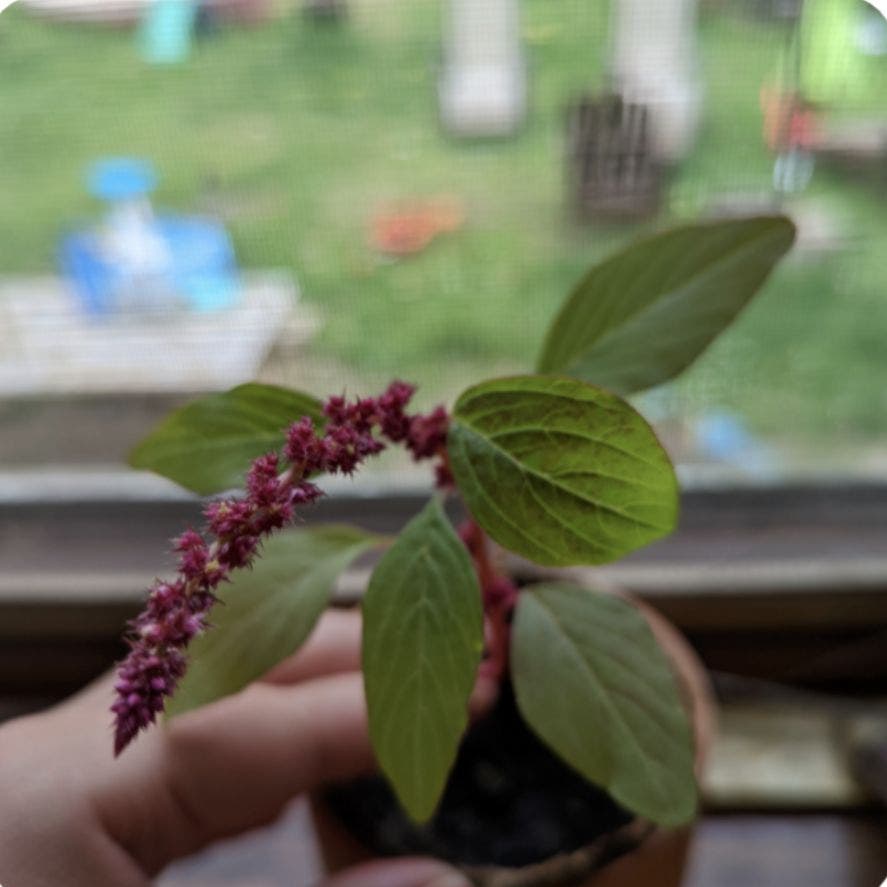
During flowering, you'll see long, drooping spikes that can reach up to 3 feet. As the flowers mature, they transition from green to vibrant shades of red, purple, or yellow, creating a stunning visual display.
🌾 Seed Production
Duration and Process of Seed Formation
Seed production takes about 4-8 weeks after flowering. Pollination occurs, leading to seed development within the flower spikes.
Importance of Seed Production for Future Growth
The seeds produced can remain viable in the soil for several years. This ensures that future generations of Love-Lies-Bleeding can thrive, continuing the cycle of life.
This journey through the stages of growth showcases the resilience and beauty of Love-Lies-Bleeding. Next, we’ll explore the growth rate and maturation time of this fascinating plant.
Growth Rate and Maturation Time
How Long Until Fully Grown? 🌱
The journey from seed to maturity for Love-Lies-Bleeding typically spans 12 to 16 weeks. This timeframe allows the plant to transition through its various growth stages, culminating in a vibrant display of flowers.
Factors Affecting Growth Rate 🌡️
Several factors can influence how quickly your plant grows. Soil quality, temperature, and moisture levels play crucial roles in determining the overall growth rate.
Average Maturation Time ⏳
For optimal growth and flowering, expect an average maturation time of 10 to 12 weeks. This period is essential for the plant to develop robust structures and prepare for its stunning floral display.
Understanding these timelines and factors can help you cultivate a thriving Love-Lies-Bleeding plant. With the right conditions, you’ll witness its remarkable transformation from seed to a flourishing beauty.
Notable Changes Throughout Lifecycle
🌱 Physical Changes from Seed to Maturity
The journey of Love-Lies-Bleeding begins with tiny seeds that eventually transform into robust plants. As they grow, these plants develop long, striking flower spikes that become a hallmark of their beauty.
🎨 Changes in Color, Size, and Structure
Throughout their lifecycle, these plants undergo significant color changes. Initially green, they burst into vibrant hues during the flowering stage, captivating anyone who sees them.
The size of the plant also increases dramatically. From the humble beginnings of a seedling, they can grow impressively tall, showcasing their lush foliage and stunning flowers.
This transformation not only highlights the plant's growth but also its resilience and adaptability. Each stage brings new life and energy, making the Love-Lies-Bleeding a remarkable addition to any garden.
As we explore the growth rate and maturation time next, we’ll uncover how long it takes for these stunning plants to reach their full potential.
Overall Lifespan
🌱 Typical Lifespan of the Plant
Love-Lies-Bleeding is classified as an annual plant. This means it completes its entire lifecycle within a single growing season, from seed germination to flowering and seed production.
⏳ Factors Influencing Longevity
Several factors can impact the lifespan and health of Love-Lies-Bleeding.
- Environmental Conditions: Temperature and sunlight play crucial roles in growth.
- Soil Quality: Nutrient-rich soil promotes robust plant development.
- Care Practices: Regular watering and proper maintenance can extend the plant's vitality.
By understanding these elements, you can help ensure your Love-Lies-Bleeding thrives throughout its lifecycle.
As we explore the next section, we’ll dive into the notable changes that occur throughout the plant's lifecycle, highlighting its transformation from seed to maturity.
⚠️ Safety First
This content is for general information and may contain errors, omissions, or outdated details. It is not medical, veterinary advice, or an endorsement of therapeutic claims.
Always consult a qualified healthcare professional before using any plant as food, medicine, or supplement.
Never eat any plant (or feed one to pets) without confirming its identity with at least two trusted sources.
If you suspect poisoning, call Poison Control (800) 222-1222, the Pet Poison Helpline (800) 213-6680, or your local emergency service immediately.
Spotted an error? Please report it here.
Cultivating Love-Lies-Bleeding from seed to bloom is rewarding 🌱, and with Greg's tailored care reminders, you'll nurture your plants through every vibrant stage of their lifecycle!