🌾 8 Facts About Foxtail Amaranth Lifecycle
Amaranthus caudatus
By the Greg Editorial Team
Oct 19, 2024•5 min read
This article was created with the help of AI so we can cover more plants for you. May contain errors. See one? Report it here.
- 🌱 Foxtail amaranth germinates quickly, within 5 to 10 days under optimal conditions.
- 🌞 Full sun and nutrient-rich soil are vital for healthy growth and flowering.
- 🌾 Each plant can produce up to 100,000 seeds, enhancing its invasive potential.
Germination Stage
🌱 Duration of Germination
Germination of foxtail amaranth typically takes about 5 to 10 days under optimal conditions. This quick turnaround is crucial for establishing a healthy plant.
🌡️ Conditions for Successful Germination
To thrive, seeds need specific conditions:
- Soil Temperature: Aim for a range of 20°C to 30°C (68°F to 86°F) for the best results.
- Moisture Level: Keep the soil consistently moist, but avoid waterlogging.
- Light Requirements: While light can boost germination rates, some seeds can sprout in darkness.
🔍 Notable Changes During Germination
As germination progresses, several notable changes occur:
- The seed coat softens and eventually splits open.
- The radicle, or root, emerges first, followed closely by the cotyledons, which are the plant's first leaves.
- Initial root growth begins, anchoring the plant and preparing it for further development.
Understanding these early stages is vital for anyone looking to cultivate foxtail amaranth successfully. With the right conditions, you'll witness the remarkable transformation from seed to seedling, setting the stage for the plant's future growth.
Next, we’ll explore the seedling stage, where the young plant begins to establish itself further.
Seedling Stage
Duration of the Seedling Stage 🌱
The seedling stage of foxtail amaranth lasts approximately 2 to 4 weeks after germination. This period is crucial for establishing a strong foundation for future growth.
Characteristics of Seedlings 🌿
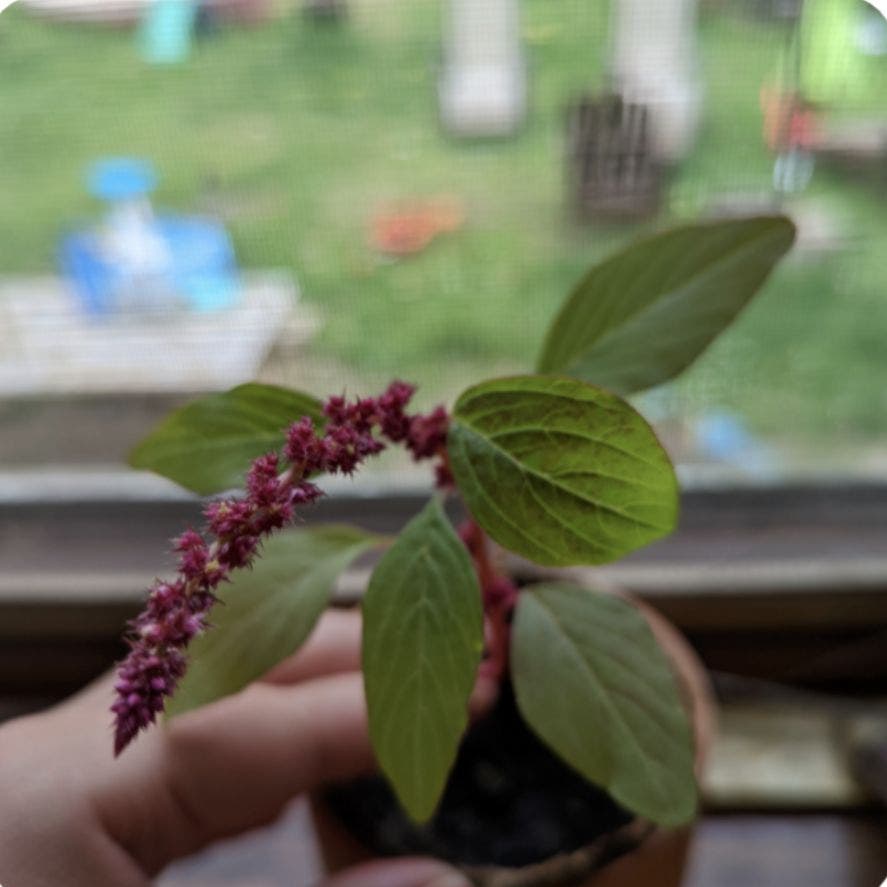
During this stage, seedlings develop true leaves that follow the initial cotyledons. They typically reach a height of 2 to 6 inches, showcasing broad, green leaves that are slightly hairy.
Environmental Needs for Seedlings ☀️
To thrive, seedlings require full sun exposure, ideally 6 to 8 hours daily.
Soil Requirements
Well-draining, nutrient-rich soil is essential to support their rapid growth.
Watering Needs
Regular watering is necessary to maintain soil moisture, but care must be taken to avoid saturation.
In summary, the seedling stage is a vital phase where foxtail amaranth establishes itself. With the right conditions, these young plants set the stage for robust vegetative growth ahead.
Next, we will explore the vegetative growth stage, where the plant truly begins to flourish.
Vegetative Growth Stage
Duration of Vegetative Growth 🌱
The vegetative growth stage of foxtail amaranth lasts about 4 to 8 weeks. This timeframe can vary based on environmental conditions.
Key Features During Vegetative Growth 🌿
During this stage, the plant experiences rapid height increase, potentially reaching up to 3 feet tall.
Leaves also develop significantly, becoming larger and more numerous, which is essential for photosynthesis.
Additionally, the stems thicken, providing the necessary support for future flowering.
Factors Affecting Growth Rate 📈
Several factors influence the growth rate of foxtail amaranth.
- Soil Quality: Nutrient-rich soils are crucial for promoting faster growth.
- Water Availability: Regular watering helps maintain optimal growth speed.
- Environmental Conditions: Temperature and sunlight directly impact how quickly the plant grows.
Understanding these elements can help you cultivate healthier plants and maximize their growth potential.
As we transition to the flowering stage, the groundwork laid during vegetative growth will play a vital role in the plant's reproductive success.
Flowering Stage
Duration of Flowering 🌸
Flowering in foxtail amaranth typically occurs 6 to 8 weeks after germination. This stage is crucial as it marks the transition from growth to reproduction.
Changes in Plant Appearance 🌼
During flowering, you'll notice the development of distinctive red or green inflorescences. The plant may also increase in height as it prepares for reproduction, showcasing its vibrant colors.
Pollination and Reproductive Processes 🐝
Pollination is primarily wind-driven, but foxtail amaranth can also attract insects. The flower structure consists of small, clustered blooms capable of producing thousands of seeds, ensuring the plant's survival and spread.
This flowering phase is vital for the plant's lifecycle, setting the stage for the next exciting chapter: seed production.
Seed Production
Duration of Seed Production 🌱
The seed production phase of foxtail amaranth lasts about 2 to 4 weeks after flowering. This is a crucial period where the plant focuses on creating its next generation.
Characteristics of Mature Seeds 🌾
Mature seeds are small and dark, with the ability to produce an astonishing quantity—up to 100,000 seeds per plant. Their lightweight nature allows them to be easily dispersed by the wind, enhancing their chances of colonization.
Importance of Seed Dispersal 🌍
Seed dispersal plays a significant role in the plant's invasive potential. These seeds can remain viable in the soil for several years, allowing foxtail amaranth to rapidly establish itself in new areas.
Understanding the seed production stage is essential for anyone interested in the lifecycle of foxtail amaranth. This knowledge not only highlights the plant's resilience but also sets the stage for exploring its overall lifespan and growth rate.
Overall Lifespan and Growth Rate
Total Lifespan of Foxtail Amaranth 🌱
Foxtail Amaranth is generally classified as an annual plant. This means it completes its entire lifecycle within a single growing season.
Average Time to Full Maturity ⏳
From germination, you can expect Foxtail Amaranth to reach full maturity in about 8 to 12 weeks. This rapid growth is one of the reasons it's a popular choice among gardeners.
Factors Influencing Growth Speed ⚡️
Several factors can influence how quickly this plant grows.
- Environmental Conditions: Temperature, soil quality, and moisture levels play crucial roles in growth rates.
- Competition: The presence of other plants can slow down growth due to competition for resources.
Understanding these factors can help you optimize conditions for Foxtail Amaranth, ensuring a thriving garden. With the right care, you can witness the impressive lifecycle of this resilient plant unfold beautifully.
Next, we’ll dive into the fascinating flowering stage, where the plant truly begins to showcase its vibrant colors and reproductive processes.
⚠️ Safety First
This content is for general information and may contain errors, omissions, or outdated details. It is not medical, veterinary advice, or an endorsement of therapeutic claims.
Always consult a qualified healthcare professional before using any plant as food, medicine, or supplement.
Never eat any plant (or feed one to pets) without confirming its identity with at least two trusted sources.
If you suspect poisoning, call Poison Control (800) 222-1222, the Pet Poison Helpline (800) 213-6680, or your local emergency service immediately.
Spotted an error? Please report it here.
Master the lifecycle of foxtail amaranth 🌿 with Greg's tailored care tips and watering reminders, ensuring your plants thrive from germination to seed production!