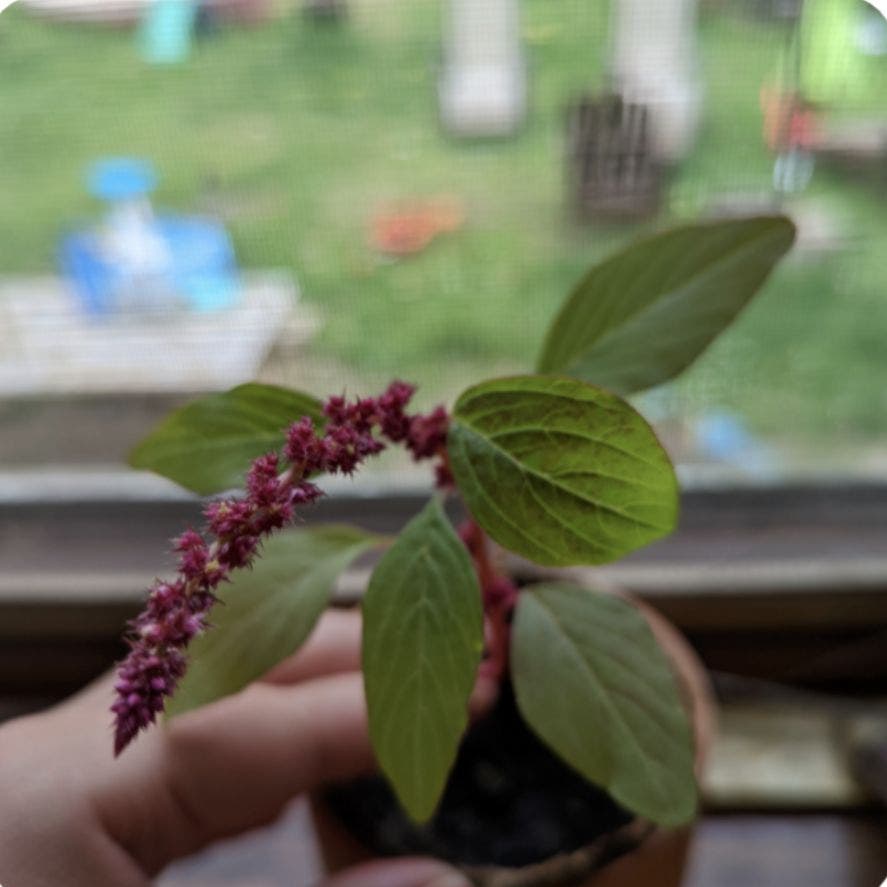
🌸 7 Factors Affecting Foxtail Amaranth Flowering
Amaranthus caudatus
By the Greg Editorial Team
Oct 19, 2024•5 min read
This article was created with the help of AI so we can cover more plants for you. May contain errors. See one? Report it here.
- 🌞 Foxtail amaranth needs 6-8 hours of sunlight daily for optimal flowering.
- 🌡️ Ideal blooming temperature is 20°C to 30°C (68°F to 86°F).
- 🌱 Nutritional balance, especially phosphorus, is crucial for flower initiation.
Failure to Bloom
🌞 Causes
Light Requirements
Insufficient sunlight can severely impact the flowering of foxtail amaranth. Ideally, these plants need 6-8 hours of direct sunlight daily to thrive.
Temperature Effects
Temperature plays a crucial role in blooming. The ideal range for flowering is between 20°C to 30°C (68°F to 86°F), while extremes below 15°C or above 35°C can halt blooming altogether.
Nutritional Deficiencies
Nutritional imbalances can also hinder flower initiation. A lack of essential nutrients, particularly phosphorus and potassium, can prevent your plants from blooming.
🛠️ Solutions
Adjusting Light Exposure
To remedy light issues, consider relocating your plants to sunnier spots or utilizing grow lights. This simple adjustment can significantly boost their energy production.
Temperature Control
Maintaining optimal temperatures is essential. Using row covers or greenhouses can help protect your plants from extreme weather conditions.
Fertilization
Fertilization is key to promoting blooming. Apply a balanced fertilizer with a higher phosphorus content during the growing season to encourage flower development.
By addressing these factors, you can help ensure your foxtail amaranth blooms beautifully. Next, let’s explore the issue of premature flower drop and how to tackle it effectively.
Premature Flower Drop
🌡️ Causes
Environmental Stress
Sudden changes in temperature or humidity can put your foxtail amaranth under stress. This stress often leads to premature flower drop, leaving you with fewer blooms than expected.
Overwatering
Waterlogged soil is another culprit. When roots sit in excess water, they can rot, which negatively impacts the overall health of the plant.
Pest Infestations
Pests like aphids and spider mites can weaken your plants. Their presence can lead to bud drop, robbing you of the beautiful flowers you’re hoping for.
🛠️ Solutions
Proper Watering Techniques
To combat overwatering, ensure your soil drains well. Water only when the top inch of soil feels dry to the touch.
Pest Management Strategies
Regularly inspect your plants for pests. Using organic insecticides or introducing beneficial insects can help keep those pesky invaders at bay.
By addressing these causes and implementing effective solutions, you can significantly reduce the risk of premature flower drop. This proactive approach will help you enjoy a vibrant display of foxtail amaranth blooms.
Next, let’s explore abnormal flower development and how to tackle that issue effectively.
Abnormal Flower Development
🌱 Causes
Nutrient Imbalances
Excess nitrogen can create lush, green foliage but at the cost of flower production. This imbalance often leads to a disappointing display when blooms fail to materialize.
Genetic Factors
Some foxtail amaranth varieties may have inherent flowering issues. These genetic traits can limit their ability to produce flowers, regardless of optimal growing conditions.
Disease
Fungal infections can severely disrupt normal flower formation. Diseases like powdery mildew not only affect the plant's health but also its ability to bloom effectively.
💡 Solutions
Soil Testing
Conducting soil tests is crucial for determining nutrient levels and pH. This step helps identify any deficiencies or excesses that may be affecting flower development.
Appropriate Fertilization
Adjust your fertilization strategy based on soil test results. Correcting nutrient imbalances, especially reducing nitrogen and increasing phosphorus, can significantly enhance flowering.
Disease Management
Implementing crop rotation and using disease-resistant varieties can mitigate the risk of fungal infections. These practices promote healthier plants that are more likely to produce abundant flowers.
By addressing these factors, you can foster a thriving environment for your foxtail amaranth, leading to a more vibrant flowering display. Next, let’s explore how cultural practices can further impact flowering success.
Cultural Practices Impacting Flowering
🌿 Pruning Techniques
Pruning is a double-edged sword when it comes to flowering. While it can stimulate new growth, excessive pruning might actually reduce the number of blooms you get.
To maximize flowering, consider best practices for pruning. Pinch back the tips of your plants to encourage bushier growth, which often leads to more flowers.
💧 Soil Moisture Management
Consistent moisture levels are crucial for healthy root systems. Maintaining even moisture helps your plants thrive and supports robust flowering.
On the flip side, both drought and waterlogging can wreak havoc on flowering. Drought stress can lead to bud drop, while waterlogged conditions can cause root issues that stifle growth.
By managing these cultural practices effectively, you can create an environment that promotes vibrant blooms. Next, let’s explore how pest and disease management plays a vital role in supporting flowering.
Pest and Disease Management
🐜 Common Pests Affecting Flowering
Recognizing pests early is crucial for maintaining healthy foxtail amaranth. Look out for signs of aphids, which appear as tiny green or black bugs, and spider mites, often seen as fine webs on leaves.
These pests can sap the plant's energy, leading to reduced flowering. Regular inspections can help catch infestations before they escalate.
🛡️ Control Measures and Prevention Strategies
To combat these pests, consider using neem oil or insecticidal soap. Both options are effective and environmentally friendly.
Applying these treatments regularly can keep your plants thriving and blooming beautifully.
🌱 Diseases Impacting Flower Development
Fungal diseases can wreak havoc on flowering plants. Powdery mildew is a common culprit, manifesting as a white, powdery coating on leaves.
This disease can inhibit flower growth and overall plant health. Early detection is key to preventing long-term damage.
🚑 Treatment and Prevention Methods
To minimize the risk of diseases, ensure good air circulation around your plants. Avoid overhead watering, as moisture on leaves can promote fungal growth.
Implementing these practices can significantly enhance your foxtail amaranth's flowering potential, leading to a vibrant garden.
With pests and diseases managed effectively, your plants can focus on what they do best: blooming beautifully.
⚠️ Safety First
This content is for general information and may contain errors, omissions, or outdated details. It is not medical, veterinary advice, or an endorsement of therapeutic claims.
Always consult a qualified healthcare professional before using any plant as food, medicine, or supplement.
Never eat any plant (or feed one to pets) without confirming its identity with at least two trusted sources.
If you suspect poisoning, call Poison Control (800) 222-1222, the Pet Poison Helpline (800) 213-6680, or your local emergency service immediately.
Spotted an error? Please report it here.
Unlock vibrant blooms on your foxtail amaranth 🌼 by using Greg's tailored care reminders to optimize sunlight, temperature, and nutrients for stunning flowers!