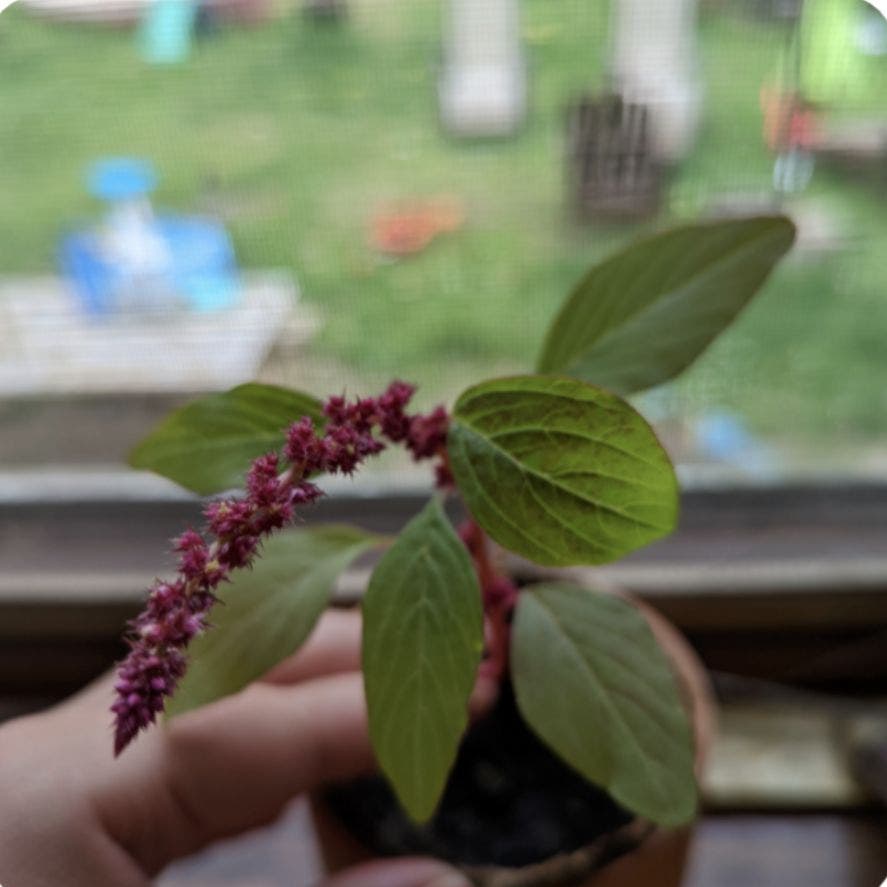
❄️ Frost-Hardy Foxtail Amaranth Zones 2a-11b
Amaranthus caudatus
By the Greg Editorial Team
Oct 19, 2024•4 min read
This article was created with the help of AI so we can cover more plants for you. May contain errors. See one? Report it here.
- ❄️🌱 Foxtail Amaranth thrives in zones 2a-11b, tolerating temperatures from 20°F to 95°F.
- 📅 Know your frost dates to optimize planting and harvesting for successful growth.
- ☀️🌿 Full sun and well-drained soil are essential for robust Foxtail Amaranth development.
Foxtail Amaranth Hardiness
🌡️ Specific Temperature Ranges
Foxtail Amaranth is impressively hardy, able to withstand cold temperatures as low as 20°F (-6°C). On the flip side, it thrives in warm conditions, flourishing in temperatures up to 95°F (35°C).
❄️ Cold Tolerance and Frost Resistance
Frost-tolerant plants like Foxtail Amaranth can survive light frosts and bounce back from cold stress. Understanding the first and last frost dates is crucial for planning your planting and harvesting schedule.
☀️ Heat Tolerance and Summer Conditions
This plant loves warm, sunny environments, making summer conditions ideal for its growth. However, extreme heat can lead to wilting and reduced seed production, so keep an eye on those soaring temperatures.
In summary, knowing the temperature ranges and frost dates is essential for successful cultivation. Next, let’s explore the ideal growing regions for Foxtail Amaranth.
Ideal Growing Regions
🌍 Examples of US States Suitable for Foxtail Amaranth
Foxtail Amaranth thrives in USDA hardiness zones 2a-11b, making it a versatile choice for many gardeners. States like California, Texas, and Florida stand out as prime locations for cultivating this resilient plant.
Within these states, specific regions offer ideal conditions. Coastal areas benefit from milder temperatures, while valleys often provide the warmth and extended growing seasons that Foxtail Amaranth loves.
🌱 Factors Contributing to Ideal Growing Conditions
To flourish, Foxtail Amaranth prefers well-drained, fertile soils. This ensures that the roots can access nutrients without the risk of waterlogging.
Sunlight exposure is equally crucial. Full sun allows the plant to maximize photosynthesis, leading to robust growth and vibrant foliage.
Understanding these factors can significantly enhance your chances of a successful harvest. By choosing the right location and soil type, you set the stage for a thriving garden.
As you plan your planting, consider how these elements interact with your local climate. This knowledge will help you create the perfect environment for your Foxtail Amaranth.
Next, let’s explore the fascinating world of microclimates and how they can impact your growing experience.
Microclimates and Their Impact
🌍 Definition and Benefits of Microclimates
Microclimates are localized climate conditions that differ from the surrounding area. They can create unique environments that are particularly beneficial for frost-tolerant plants like Foxtail Amaranth.
These microclimates offer protection from harsh weather conditions, allowing plants to thrive even when the broader climate may not be ideal. For instance, a sheltered garden can maintain warmer temperatures, reducing the risk of frost damage.
🌱 Examples of Microclimates Affecting Foxtail Amaranth Growth
Urban gardens often benefit from heat retention due to surrounding buildings and pavement. This can create a warmer microclimate, enabling successful growth of Foxtail Amaranth even in cooler zones.
Greenhouses are another excellent example. They provide a controlled environment that can extend the growing season, allowing for earlier planting and longer harvests.
Understanding and utilizing microclimates can significantly enhance your gardening success. By recognizing these localized conditions, you can optimize your planting strategies and enjoy a bountiful harvest of Foxtail Amaranth.
Next, we’ll explore the state-level suitability for growing this resilient plant.
State-Level Suitability
🌍 List of US States in Hardiness Zones 2a-11b
Foxtail Amaranth thrives across a wide range of climates, making it suitable for many states. Notable examples include California, Texas, and Florida, which fall within USDA hardiness zones 2a to 11b.
In California, the coastal areas and valleys provide ideal conditions. Texas offers diverse environments, from its warm southern regions to the more temperate northern parts. Florida's extended growing season is also perfect for this resilient plant.
🚫 States Where Foxtail Amaranth Is Not Suitable and Reasons Why
While Foxtail Amaranth is adaptable, some states are simply too harsh for its growth. Alaska and parts of the Northeast, for instance, fall outside its hardiness range.
The extreme cold in these regions can be detrimental, leading to stunted growth or plant death. Additionally, short growing seasons and late frosts further hinder successful cultivation.
❄️ Summary of Frost Dates and Their Relevance to Foxtail Amaranth
Understanding frost dates is crucial for anyone looking to grow Foxtail Amaranth successfully. Knowing the first and last frost dates helps in planning your planting schedule.
For optimal growth, it’s best to plant after the last frost. This timing ensures that your plants have the best chance to thrive and produce a bountiful harvest.
As you consider your growing options, keep these factors in mind to maximize your success with Foxtail Amaranth. Next, let’s explore the impact of microclimates on its growth potential.
⚠️ Safety First
This content is for general information and may contain errors, omissions, or outdated details. It is not medical, veterinary advice, or an endorsement of therapeutic claims.
Always consult a qualified healthcare professional before using any plant as food, medicine, or supplement.
Never eat any plant (or feed one to pets) without confirming its identity with at least two trusted sources.
If you suspect poisoning, call Poison Control (800) 222-1222, the Pet Poison Helpline (800) 213-6680, or your local emergency service immediately.
Spotted an error? Please report it here.
Cultivate frost-hardy Foxtail Amaranth 🌱 with Greg's tailored planting reminders and frost date alerts to maximize your harvest in any climate!