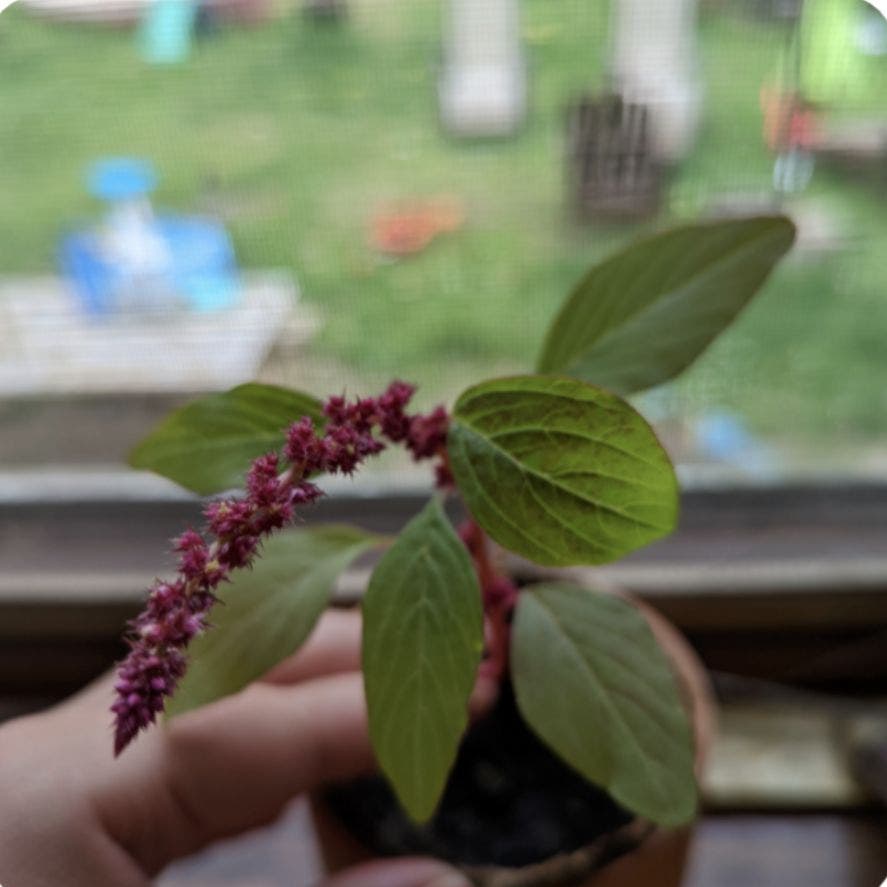
Foxtail Amaranth Care: Preventing and Treating Root Rot 💧
Amaranthus caudatus
By the Greg Editorial Team
Oct 19, 2024•5 min read
This article was created with the help of AI so we can cover more plants for you. May contain errors. See one? Report it here.
- 🌱 Proper soil drainage prevents root rot in foxtail amaranth; avoid water accumulation.
- 🧪 Maintain pH levels between 6.0 and 7.0 for optimal nutrient availability and root health.
- 🔍 Regularly inspect roots for health; trim any mushy sections to prevent rot spread.
Preventing Root Rot
🌧️ Importance of Soil Drainage
Proper soil drainage is crucial for preventing water accumulation, which can lead to root rot. Without adequate drainage, excess water can suffocate roots and create a breeding ground for harmful fungi.
To enhance drainage, consider adding perlite or sand to your soil mix. These materials improve aeration and help prevent water from pooling around the roots.
🏗️ Ideal Soil Composition
A well-draining soil mix is essential for healthy foxtail amaranth. Aim for a combination of loamy soil, perlite, and compost to create an ideal environment.
Maintaining a slightly acidic to neutral pH (between 6.0 and 7.0) is also important. This pH range supports nutrient availability and root health.
💧 Proper Watering Techniques
Watering frequency plays a significant role in root health. Allow the top inch of soil to dry out before watering again to prevent over-saturation.
Be vigilant for signs of overwatering, such as yellowing leaves or a musty smell from the soil. Adjust your watering habits accordingly to keep your plant thriving.
🌡️ Environmental Factors Affecting Root Health
Temperature is another key factor in root health. Foxtail amaranth thrives in temperatures between 20°C and 30°C (68°F to 86°F).
Additionally, maintaining moderate humidity levels is essential. High humidity can encourage fungal growth, which poses a risk to your plant's roots.
By focusing on these preventive measures, you can significantly reduce the risk of root rot and ensure your foxtail amaranth remains healthy and vibrant. Next, we’ll explore how to treat root rot if it does occur.
Treating Root Rot
Step-by-Step Treatment Process 🌱
Remove the plant from its pot: Start by gently loosening the soil around the roots. This helps prevent further damage during extraction.
Inspect the roots: Carefully examine the roots to distinguish between healthy and decayed sections. Healthy roots are firm and white, while decayed ones appear mushy and dark.
Trim affected roots: Use sterilized scissors to cut away any mushy or rotten sections. This step is crucial to prevent the spread of rot.
Disinfect the remaining roots: Rinse the healthy roots with a fungicide solution or hydrogen peroxide. This helps eliminate any lingering pathogens.
How to Repot Affected Plants 🪴
Choosing a new pot: Select a pot that has adequate drainage holes. This is essential to prevent future water accumulation.
Using fresh soil: Replace the old soil with a well-draining soil mix. A combination of loamy soil, perlite, and compost works best.
Replanting technique: Position the plant at the same depth as before. This ensures it can continue to thrive in its new environment.
Recommended Fungicides or Treatments 💊
Types of fungicides: Familiarize yourself with systemic versus contact fungicides. Systemic fungicides work from within the plant, while contact fungicides target surface pathogens.
Application methods: Always follow label instructions for effective treatment. Proper application ensures the best chance of recovery.
Recovery Care for Affected Plants 🌼
Watering adjustments: Reduce watering frequency until you see signs of recovery. Overwatering can hinder the healing process.
Monitoring for new growth: Keep an eye out for new growth, which indicates successful treatment. This is a positive sign that your plant is bouncing back.
By following these steps, you can effectively treat root rot and help your foxtail amaranth thrive again. Next, let’s explore how to diagnose root rot effectively, ensuring you catch any issues early on.
Diagnosing Root Rot
👀 Visual Signs to Look For
Recognizing root rot early can save your foxtail amaranth. Look for leaf discoloration, such as yellowing or browning edges, which often signals distress.
Healthy roots should be white or light tan. If you notice dark, mushy roots, it's a clear indicator of root rot.
🔍 Root Examination Techniques
To diagnose root rot effectively, gently remove the soil around the roots. Use a soft touch to avoid damaging them while exposing the root system.
Once exposed, assess the root health. Healthy roots will feel firm, while rotting roots will be soft and discolored.
⚖️ Differentiating Root Rot from Other Issues
It's crucial to compare symptoms to distinguish root rot from other problems. Over-fertilization can cause similar leaf discoloration, while pest damage may lead to wilting.
Always consider the context of your plant's environment and care practices. This holistic view helps pinpoint the exact issue affecting your foxtail amaranth.
Understanding these signs and techniques will empower you to take action swiftly. Next, let’s explore how to treat root rot effectively.
Maintaining Healthy Roots
🌱 Best Practices for Ongoing Care
Regular soil checks are essential for maintaining healthy roots. Monitor moisture levels and drainage to ensure your foxtail amaranth thrives.
A balanced fertilization schedule during the growing season can significantly boost plant health. Use fertilizers that provide essential nutrients without overwhelming the plant.
🌦️ Seasonal Considerations
Adjusting care based on the seasons is crucial for optimal growth. In summer, your plant may need more frequent watering and light, while winter calls for a more conservative approach.
As temperatures drop, prepare for dormancy by reducing both watering and fertilization. This helps the plant conserve energy and stay healthy through the colder months.
📏 Monitoring Soil Moisture Levels
Using tools like moisture meters can simplify the process of measuring soil moisture. Alternatively, a simple finger test can help you gauge when it's time to water.
Aim to keep the soil consistently moist but not soggy. This balance is key to preventing root rot and ensuring your foxtail amaranth remains vibrant and healthy.
By following these best practices, you can foster a thriving environment for your plants. Next, we’ll explore how to diagnose root rot effectively, ensuring your foxtail amaranth stays in top shape.
⚠️ Safety First
This content is for general information and may contain errors, omissions, or outdated details. It is not medical, veterinary advice, or an endorsement of therapeutic claims.
Always consult a qualified healthcare professional before using any plant as food, medicine, or supplement.
Never eat any plant (or feed one to pets) without confirming its identity with at least two trusted sources.
If you suspect poisoning, call Poison Control (800) 222-1222, the Pet Poison Helpline (800) 213-6680, or your local emergency service immediately.
Spotted an error? Please report it here.
Keep your foxtail amaranth thriving and root rot-free 🌿 with Greg's tailored watering alerts and expert soil tips that make plant care a breeze!