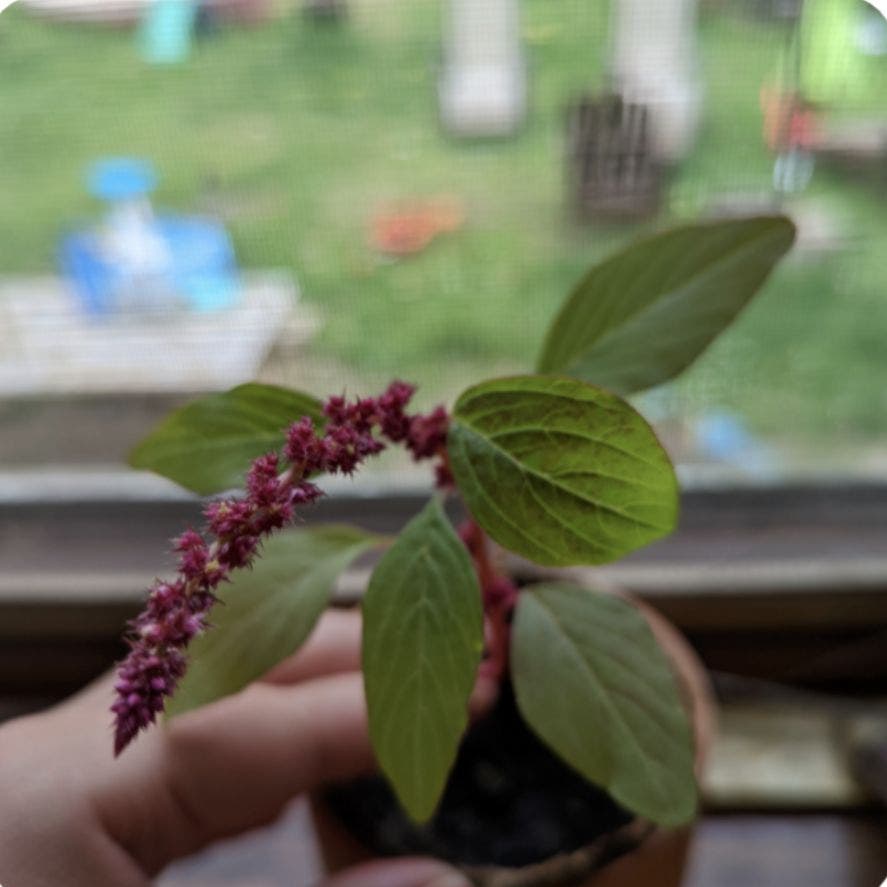
🔍 Best Tips for Dealing with Brown Spots on Foxtail Amaranth
Amaranthus caudatus
By the Greg Editorial Team
Oct 19, 2024•6 min read
This article was created with the help of AI so we can cover more plants for you. May contain errors. See one? Report it here.
- 🌱 Brown spots arise from pests, diseases, or nutrient deficiencies. Identify the cause!
- 🦠 Fungal vs. bacterial spots differ: defined edges for fungal, irregular for bacterial.
- 💧 Consistent watering and healthy soil prevent brown spots and promote robust growth.
Causes of Brown Spots
🦠 Fungal Infections
Fungal diseases are a common culprit behind brown spots on Foxtail Amaranth. Leaf spot diseases manifest as dark brown to black spots on leaves, while powdery mildew presents as a white, powdery coating that can lead to browning.
Conditions that promote fungal growth include high humidity and poor air circulation. Overwatering and wet foliage create an ideal environment for these pathogens to thrive.
🦠 Bacterial Infections
Bacterial infections can also cause brown spots, typically identified by water-soaked lesions that turn brown and may develop yellow halos. Excess moisture and high temperatures favor bacterial growth, especially when plant tissue is wounded.
🌱 Nutrient Deficiencies
🌿 Nitrogen Deficiency
Nitrogen deficiency often shows up as yellowing leaves with brown spots, particularly on older leaves. This nutrient is crucial for leaf health and overall growth.
🌿 Potassium Deficiency
Potassium deficiency leads to marginal browning of leaves, which can progress to necrosis. Potassium plays a vital role in water regulation and overall plant vitality.
🌪️ Environmental Stress
💧 Overwatering
Overwatering can cause wilting, yellowing, and brown spots due to root rot. Ensuring well-draining soil is essential for the health of Foxtail Amaranth.
💧 Underwatering
Underwatering manifests as leaf curling and browning, especially at the tips. Consistent soil moisture is key to optimal growth.
🐛 Pest Infestations
🐜 Aphids
Aphid infestations are indicated by curling leaves, sticky residue, and brown spots. These pests can significantly impact plant health and leaf vitality.
🕷️ Spider Mites
Spider mites leave fine webbing and stippling on leaves, leading to browning. Conditions such as dry air and heat can favor these infestations.
Understanding these causes is crucial for effective management of brown spots on your Foxtail Amaranth. Next, we’ll explore how to diagnose these issues accurately.
Diagnosing Brown Spots
Identifying Symptoms 🌿
To effectively diagnose brown spots on your Foxtail Amaranth, start with a visual inspection. Pay attention to the color, size, and location of the spots, as these details can provide crucial clues.
Next, assess the leaf texture and overall plant vigor. Healthy plants should have firm, vibrant leaves, while browning may indicate underlying issues.
Differentiating Between Fungal and Bacterial Issues 🦠
Understanding the differences between fungal and bacterial spots is essential for proper treatment. Fungal spots typically have dark, defined edges and often appear clustered together.
In contrast, bacterial spots are usually water-soaked with irregular shapes and may feature yellow halos. Recognizing these characteristics can guide your next steps.
Assessing Environmental Factors 🌍
Evaluating soil moisture levels is crucial for diagnosing brown spots. Use a moisture meter or perform a finger test to determine if your plant is overwatered or underwatered.
Additionally, regularly check for signs of pests or disease. Consistent monitoring is essential to catch issues early and maintain plant health.
Treatment Options
🌱 Organic Fungicides and Bactericides
When dealing with brown spots on Foxtail Amaranth, organic fungicides and bactericides can be your best allies. Neem oil is a standout choice, effective against both fungal and bacterial infections, making it a versatile option for gardeners.
Another solid option is copper-based fungicides, which specifically target fungal diseases. Always remember to follow label instructions for application to ensure effectiveness and safety for your plants.
🌿 Nutrient Supplementation
Fertilizers
Nutrient deficiencies can exacerbate brown spots, so proper fertilization is crucial. Consider using balanced NPK fertilizers to promote overall plant health.
If you notice specific deficiencies, look for formulations rich in nitrogen or potassium. Timing is key; apply these nutrients early in the growing season or as needed to keep your plants thriving.
🐞 Pest Control Methods
Pests can also contribute to brown spots, so effective pest control is essential. Insecticidal soap works wonders against aphids and spider mites, helping to keep your plants healthy.
For a dual-action approach, neem oil can tackle both pests and diseases. Apply these treatments every 7-14 days during active infestations to maintain plant vitality.
By implementing these treatment options, you'll be well on your way to restoring your Foxtail Amaranth's health. Next, let's explore some preventive measures to keep these issues at bay.
Preventive Measures
Proper Watering Techniques 🌊
Establishing a consistent watering schedule is crucial for Foxtail Amaranth. Aim for deep watering once a week, allowing the soil to dry out between sessions to prevent root rot.
Avoid getting water on the foliage, as this can create a breeding ground for fungal diseases. Keeping leaves dry is a simple yet effective way to promote plant health.
Soil Health and Amendments 🌱
Healthy soil is the foundation of a thriving garden. Use well-draining loamy soil enriched with organic matter to support robust growth.
Regular soil testing is essential to monitor nutrient levels and pH. This proactive approach helps you make informed decisions about necessary amendments.
Sunlight and Spacing Requirements ☀️
Foxtail Amaranth thrives in full sun, requiring 6-8 hours of direct sunlight daily. Ensure your plants receive adequate light to promote healthy growth and vibrant foliage.
Proper spacing between plants is equally important. This allows for adequate airflow, reducing the risk of disease and ensuring each plant has room to flourish.
Regular Monitoring for Pests and Diseases 🔍
Stay vigilant with weekly inspections of your plants. Early detection of pests or diseases can save your garden from significant damage.
Prompt action is key. Addressing issues as soon as they arise can prevent them from escalating into larger problems, keeping your Foxtail Amaranth healthy and thriving.
By implementing these preventive measures, you can create a resilient environment for your plants. This proactive approach not only enhances growth but also minimizes the risk of brown spots and other issues.
Next, let’s explore how to diagnose brown spots effectively, ensuring you can identify problems before they escalate.
Seasonal Considerations
Care During the Growing Season 🌱
During the growing season, a monthly fertilization schedule is essential for Foxtail Amaranth. This ensures your plants receive the nutrients they need to thrive.
Adjust your watering frequency as temperatures rise. Hot, dry spells can stress your plants, so be prepared to water more often to keep them healthy.
Winter Care and Protection ❄️
As colder months approach, mulching becomes crucial. It helps insulate the roots and reduces the need for watering.
If you plan to bring your plants indoors, be vigilant about checking for pests. Indoor environments can harbor unwanted visitors, so a quick inspection can save your plants.
Adjusting Care Based on Weather Conditions ☁️
Keep an eye on temperature and humidity levels. These factors can significantly impact your watering and feeding routines.
Recognizing signs of stress in your plants is vital. A quick response to environmental changes can prevent long-term damage and keep your Foxtail Amaranth flourishing.
With these seasonal care tips, you can ensure your plants remain vibrant and healthy throughout the year. Next, let’s explore effective treatment options for any issues that may arise.
⚠️ Safety First
This content is for general information and may contain errors, omissions, or outdated details. It is not medical, veterinary advice, or an endorsement of therapeutic claims.
Always consult a qualified healthcare professional before using any plant as food, medicine, or supplement.
Never eat any plant (or feed one to pets) without confirming its identity with at least two trusted sources.
If you suspect poisoning, call Poison Control (800) 222-1222, the Pet Poison Helpline (800) 213-6680, or your local emergency service immediately.
Spotted an error? Please report it here.
Transform those pesky brown spots into lush green leaves 🌱 by letting Greg provide you with personalized care tips and reminders for your Foxtail Amaranth's success!