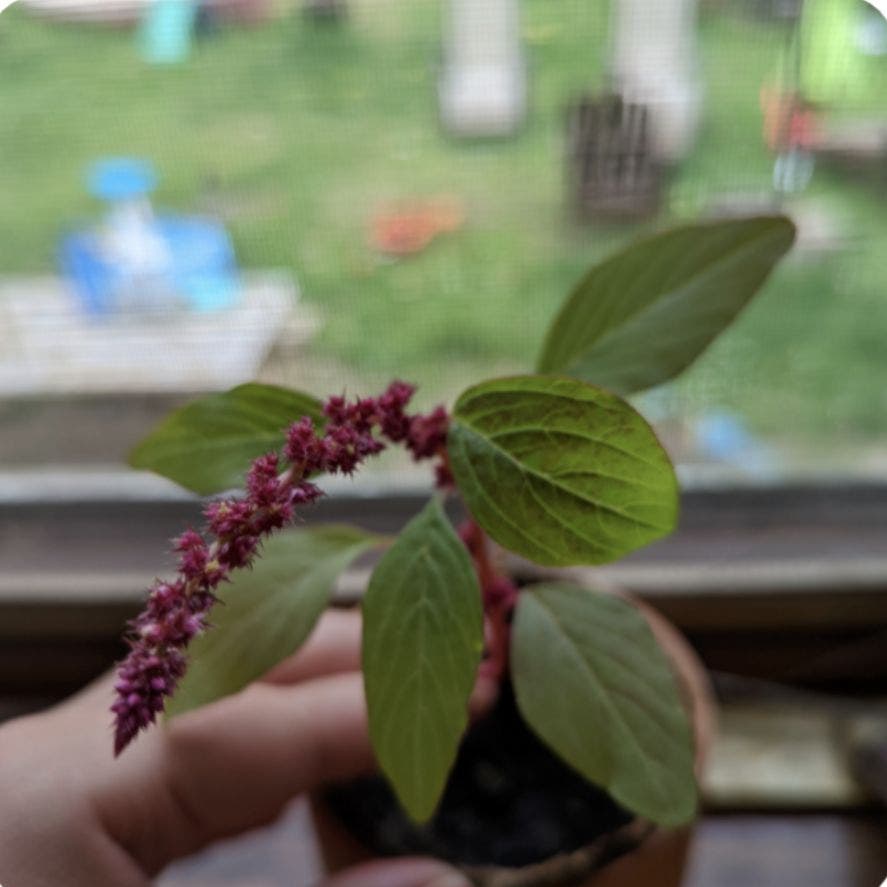
🌱 7 Secrets to Successfully Grow Foxtail Amaranth
Amaranthus caudatus
By the Greg Editorial Team
Oct 19, 2024•6 min read
This article was created with the help of AI so we can cover more plants for you. May contain errors. See one? Report it here.
- ☀️ Foxtail Amaranth thrives in full sun, needing 6-8 hours daily for optimal growth.
- 🌱 Plant 12-18 inches apart to enhance airflow and reduce disease risks.
- 💧 Well-draining, loamy soil with pH 6.0-7.5 is essential for healthy growth.
Site Selection and Soil Preparation
🌞 Choosing the Right Location
To grow Foxtail Amaranth successfully, start by selecting a spot that receives full sun for at least 6 to 8 hours daily. This plant thrives in bright conditions, so don’t skimp on sunlight.
Space is also crucial; ensure you plant your Foxtail Amaranth with a minimum distance of 12 to 18 inches between each plant. This spacing promotes healthy growth and airflow, reducing the risk of disease.
🌱 Soil Type and pH Requirements
The ideal soil for Foxtail Amaranth is well-draining, loamy soil. This type of soil retains moisture while allowing excess water to escape, preventing root rot.
Aim for a soil pH between 6.0 and 7.5 for optimal growth. Testing your soil can help you determine if adjustments are necessary to create the perfect environment.
🛠️ Soil Preparation Techniques
Amending your soil is essential for a thriving garden. Incorporate organic matter like compost or well-rotted manure to enrich the soil and boost nutrient levels.
If your soil is heavy and prone to waterlogging, consider techniques to improve drainage. Raised beds or adding sand can help create a more suitable environment for your plants.
Finally, don’t skip soil testing. Understanding your soil's nutrient levels is key to making informed amendments and ensuring your Foxtail Amaranth flourishes.
With the right location and soil preparation, you're setting the stage for a successful growing season. Next, let’s dive into the best planting techniques to maximize your yield.
Planting Techniques
🌱 Seed Selection and Sourcing
Choosing high-quality seeds is crucial for a successful foxtail amaranth crop. Look for organic and heirloom varieties from reputable sources to ensure you’re starting with the best possible genetics.
Freshness and viability are key factors to consider. Seeds that are too old may not germinate well, so always check the packaging for the harvest date.
📏 Planting Depth and Spacing
When planting, aim for a depth of 1/4 to 1/2 inch. This depth allows the seeds to establish roots without being too deep to hinder germination.
Spacing is equally important; keep plants 12-18 inches apart. This spacing promotes healthy air circulation and reduces competition for nutrients.
⏰ Timing for Planting
Timing your planting is essential for optimal growth. The best time to plant foxtail amaranth is in the spring, after the last frost has passed.
Be mindful of regional variations in planting schedules. Local climate conditions can significantly affect the ideal planting time, so adjust accordingly for your area.
With the right seeds, proper planting depth, and timing, you’re well on your way to a thriving foxtail amaranth garden. Next, let’s explore how to effectively water and fertilize your plants for continued growth.
Watering and Fertilizing
💧 Watering Frequency and Methods
Foxtail amaranth thrives on consistent moisture, especially during its germination phase. Aim to keep the soil evenly moist but not soggy.
Drip irrigation is a fantastic method for delivering water directly to the roots, minimizing evaporation. If you prefer hand watering, do so gently to avoid disturbing the soil.
🌱 Fertilization Schedule and Types of Fertilizers
Fertilize your plants every 4 to 6 weeks throughout the growing season. This regular feeding helps them reach their full potential.
You can choose between balanced NPK fertilizers or organic options. Both have their merits, so pick what aligns with your gardening philosophy.
🚿 Signs of Overwatering or Underwatering
Watch for yellowing leaves and root rot, which are telltale signs of overwatering. If you notice these symptoms, it’s time to adjust your watering routine.
On the flip side, underwatering manifests as wilting and crispy leaf edges. Keep an eye on your plants to ensure they’re getting just the right amount of water.
With proper watering and fertilizing, your foxtail amaranth will flourish beautifully. Next, let’s explore ongoing care and maintenance to keep your plants healthy and vibrant.
Ongoing Care and Maintenance
Pruning and Deadheading Techniques 🌿
Pruning is essential for foxtail amaranth as it encourages bushier growth and helps prevent disease. Regularly removing spent flowers, known as deadheading, not only keeps your plants looking tidy but also promotes more blooms.
Pest and Disease Management 🐞
Common pests like aphids and beetles can significantly impact your plants' health. Keep an eye out for signs of infestation, and act quickly to manage these pests before they cause serious damage.
Disease Prevention
Fungal issues can be a concern, especially in humid conditions. To avoid these problems, ensure good air circulation around your plants and consider using organic treatments if necessary.
Seasonal Care Adjustments 🍂
As the seasons change, so should your care routine. In colder months, prepare your plants for winter by mulching and protecting them from extreme weather conditions.
Adapting to Weather Changes
Be ready to adjust your watering and fertilization schedules based on seasonal shifts. This flexibility will help your foxtail amaranth thrive year-round, regardless of the climate challenges you face.
With ongoing care and attention, your foxtail amaranth will flourish, setting the stage for the next crucial step: addressing common challenges and finding effective solutions.
Common Challenges and Solutions
🐞 Identifying Common Pests
Aphids are small, soft-bodied insects that can wreak havoc on your foxtail amaranth. Look for signs like curled leaves or a sticky residue on plants; controlling them often involves introducing beneficial insects like ladybugs or using insecticidal soap.
Beetles, on the other hand, come in various types and can cause significant damage by chewing on leaves. Regularly inspect your plants and remove any visible beetles by hand or use organic pesticides to keep them at bay.
🦠 Disease Prevention and Treatment
Fungal issues can be a real concern for foxtail amaranth. Symptoms include yellowing leaves and wilting; treating these often involves applying organic fungicides and ensuring good air circulation around your plants.
Crop rotation is crucial for preventing diseases. By rotating your crops and choosing resistant varieties, you can minimize the risk of recurring issues and maintain a healthy garden.
🛠️ Tips for Troubleshooting Growth Problems
Stunted growth and discoloration can signal underlying problems. Check for nutrient deficiencies or environmental stressors, as these can significantly impact your plants' health.
Adjusting your watering practices and amending the soil can often resolve these issues. Regularly test your soil and tweak your care routine to ensure your foxtail amaranth thrives.
With these strategies in hand, you're well-equipped to tackle common challenges and keep your plants flourishing. Next, let’s explore container growing techniques for those with limited space.
Container Growing Techniques
Choosing the Right Container 🌱
When growing foxtail amaranth in containers, size matters. Opt for a minimum of 5-gallon pots to ensure your plants have adequate root space.
Material also plays a role in your container choice. Clay pots offer breathability, while plastic pots are lightweight and easier to move.
Soil and Drainage for Containers 🚰
A well-draining potting mix is essential for container-grown amaranth. Incorporate organic matter to enhance soil fertility and structure.
Don’t overlook drainage holes. They are crucial for preventing root rot, allowing excess water to escape and keeping your plants healthy.
Care Routine for Container-Grown Amaranth 🌿
Container plants dry out faster, so adjust your watering frequency accordingly. Regular checks will help maintain consistent moisture levels.
Fertilization is also key. Since container soil has limited nutrients, plan for more frequent feeding to support robust growth throughout the season.
Transitioning to container gardening can be rewarding, especially with foxtail amaranth. With the right setup and care, you’ll enjoy a vibrant and thriving garden.
⚠️ Safety First
This content is for general information and may contain errors, omissions, or outdated details. It is not medical, veterinary advice, or an endorsement of therapeutic claims.
Always consult a qualified healthcare professional before using any plant as food, medicine, or supplement.
Never eat any plant (or feed one to pets) without confirming its identity with at least two trusted sources.
If you suspect poisoning, call Poison Control (800) 222-1222, the Pet Poison Helpline (800) 213-6680, or your local emergency service immediately.
Spotted an error? Please report it here.
Unlock the full potential of your Foxtail Amaranth 🌱 with Greg's tailored care reminders that ensure your plants get the sunlight, soil, and nutrients they crave for vibrant growth!