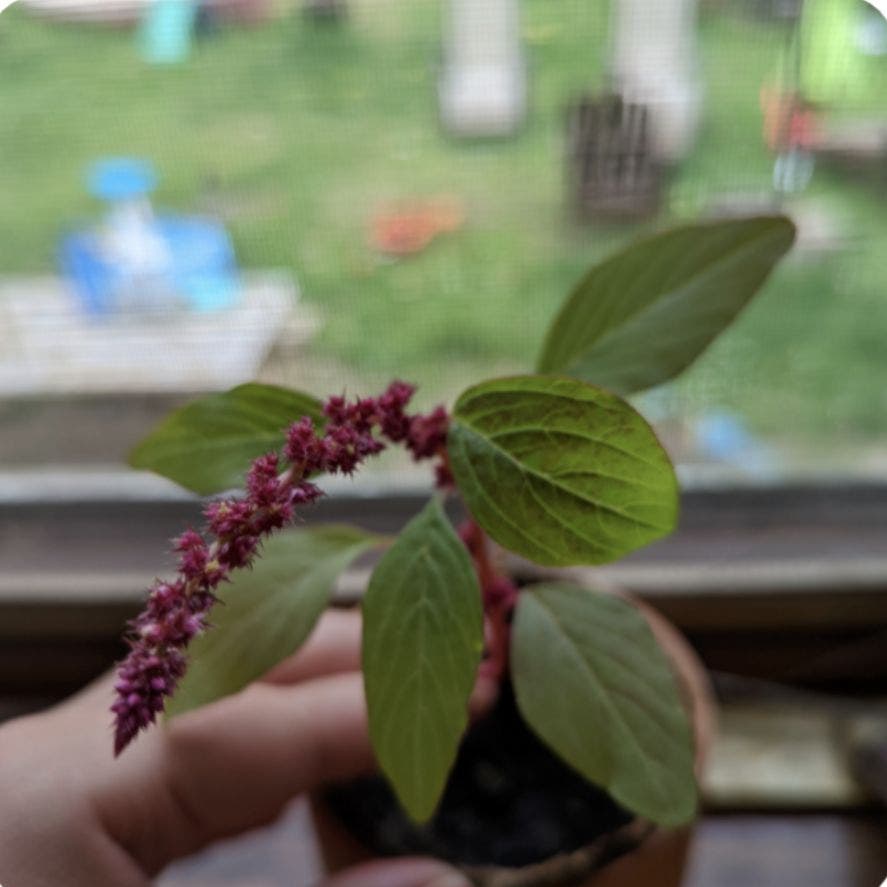
5 Tips for Healing Dropping Leaves on Your Foxtail Amaranth 🩹
Amaranthus caudatus
By the Greg Editorial Team
Oct 19, 2024•6 min read
This article was created with the help of AI so we can cover more plants for you. May contain errors. See one? Report it here.
- 💧 Overwatering and underwatering both cause leaf drop; monitor soil moisture closely.
- 🌱 Nutrient deficiencies weaken plants; use balanced fertilizer for robust growth.
- 🐛 Pests like aphids can lead to leaf loss; regular monitoring is essential.
Causes of Leaf Drop
💧 Overwatering and Its Effects
Overwatering can be a silent killer for your Foxtail Amaranth. Look for symptoms like yellowing leaves, wilting even when the soil is moist, and the dreaded root rot.
The impact on plant health is significant. Roots struggle to get enough oxygen, making them vulnerable to fungal diseases.
🚰 Underwatering and Its Symptoms
On the flip side, underwatering presents its own set of challenges. Signs include crispy, dry leaves, curling or drooping foliage, and soil that pulls away from the pot edges.
Prolonged underwatering can stunt growth and lead to increased leaf drop, leaving your plant looking sad and neglected.
🍃 Nutrient Deficiencies
Nitrogen Deficiency
A nitrogen deficiency is often marked by pale green or yellow leaves and stunted growth. Nitrogen is crucial for healthy foliage, so keep an eye on your plant's color.
Potassium Deficiency
Potassium deficiency shows up as browning leaf edges and weak stems. This nutrient plays a vital role in overall plant vigor, so don’t overlook its importance.
🐛 Pest Infestations
Common Pests
Aphids are a common nuisance, leaving sticky residue and curling leaves in their wake. They weaken the plant structure, making it less resilient.
Spider mites are another threat, identifiable by fine webbing and stippled leaves. Their presence can significantly reduce photosynthesis and overall plant vigor.
🌡️ Environmental Stress
Temperature Fluctuations
Extreme heat or cold can shock your Foxtail Amaranth, leading to leaf drop. Ideally, keep your plant in an optimal temperature range of 20°C to 30°C (68°F to 86°F).
Humidity Levels
Foxtail Amaranth thrives in moderate to high humidity. Low humidity can stress the plant, resulting in increased leaf drop and a less vibrant appearance.
Understanding these causes is the first step in addressing leaf drop issues effectively. Next, we’ll explore how to diagnose these problems accurately.
Diagnosing Leaf Drop Issues
🌊 Identifying Signs of Overwatering
Overwatering can be a silent killer for your Foxtail Amaranth. To check for this, use a moisture meter or simply stick your finger into the soil; if it feels soggy, you might be giving your plant too much love.
Next, observe the roots. Dark, mushy roots are a clear sign of rot, indicating that your plant is struggling to breathe.
💧 Recognizing Underwatering Symptoms
On the flip side, underwatering can also lead to distress. Inspect the soil; if it feels dry and hard, your plant is likely thirsty.
Look closely at the leaves. Crispy edges and drooping are telltale signs that your Foxtail Amaranth needs a drink.
🐛 Checking for Pests and Diseases
Pests can wreak havoc on your plant's health. Conduct a visual inspection by examining the undersides of leaves and stems for any unwanted visitors.
Keep an eye out for fungal diseases as well. Mold or discoloration on leaves can indicate a more serious issue that needs addressing.
🧪 Soil Testing for Nutrient Levels
Soil testing is crucial for maintaining nutrient balance. Regular tests can help you identify any deficiencies that may be affecting your plant's health.
Aim to test your soil every 6-12 months to ensure your Foxtail Amaranth is getting the nutrients it needs to thrive.
🌡️ Observing Environmental Conditions
Environmental factors play a significant role in plant health. Monitor temperature and humidity levels using a thermometer and hygrometer to create an optimal environment.
Lastly, adjust your plant's placement based on light exposure. Ensure it receives adequate sunlight without being subjected to extreme conditions that could lead to stress.
By diagnosing these issues early, you can take proactive steps to keep your Foxtail Amaranth healthy and vibrant. Next, let’s explore effective solutions for addressing leaf drop.
Solutions for Leaf Drop
🌊 Adjusting Watering Practices
Establish a consistent watering schedule: Water your Foxtail Amaranth when the top inch of soil feels dry. This helps maintain optimal moisture levels without over-saturating the roots.
Use well-draining pots: Choose pots with drainage holes to prevent water accumulation. Proper drainage is essential to avoid root rot and keep your plant healthy.
🌱 Fertilizing for Nutrient Balance
Recommended fertilizers: Opt for balanced NPK fertilizers, like a 10-10-10 mix. This ensures your plant receives the essential nutrients it needs for robust growth.
Application frequency: Fertilize every 4-6 weeks during the growing season. This regular feeding supports vibrant foliage and overall plant vigor.
🐛 Pest Control Methods
Organic Solutions
- Neem oil or insecticidal soap: These are effective organic options for pest management. Apply every 1-2 weeks until the issue is resolved to keep your plant pest-free.
Chemical Solutions
- Systemic insecticides: If pests persist, consider using systemic insecticides. Always follow label instructions for safe and effective use.
☀️ Improving Environmental Conditions
Light Adjustments
Optimal sunlight exposure: Ensure your Foxtail Amaranth gets full sun for 6-8 hours daily. This promotes healthy growth and vibrant leaves.
Avoiding direct sunlight during extreme heat: Protect your plant from harsh midday sun to prevent leaf scorch and stress.
💧 Humidity Control
- Increasing humidity: Use a humidifier or place pebble trays filled with water near your plant. This helps maintain the moderate to high humidity levels that Foxtail Amaranth thrives in.
✂️ Pruning Affected Leaves
When to prune: Prune immediately upon noticing leaf drop to prevent further stress. This quick action helps your plant redirect energy to healthier growth.
Tools needed: Use clean, sharp pruning shears for the best results. Clean tools prevent the spread of disease.
Pruning technique: Cut leaves at the base to minimize damage. This method encourages new growth and keeps your plant looking its best.
By implementing these solutions, you can effectively address leaf drop issues in your Foxtail Amaranth. Next, let’s explore preventative measures to keep your plant thriving year-round.
Preventative Measures
Best Practices for Watering Foxtail Amaranth 🌊
Watering your Foxtail Amaranth requires a bit of finesse. Adjust your watering frequency based on seasonal changes to keep the soil consistently moist but not soggy.
Look for signs of proper watering: the soil should feel damp to the touch without pooling water. This balance is crucial for maintaining healthy foliage.
Soil Selection and Amendments 🌱
Choosing the right soil is vital for your plant's health. A well-draining potting mix enriched with organic matter is ideal for Foxtail Amaranth.
Soil amendments enhance nutrient retention and drainage, ensuring your plant gets the nourishment it needs without the risk of root rot.
Regular Pest Monitoring 🐜
Stay ahead of potential pest problems with regular inspections. Aim for weekly checks to catch any issues early.
Preventative treatments, like neem oil, can be applied as a safeguard against infestations. This proactive approach helps maintain your plant's vigor.
Seasonal Care Adjustments 🌦️
Your plant's needs will change with the seasons. Be prepared to water more frequently during hot months to prevent stress.
In colder months, protect your Foxtail Amaranth from frost to ensure it thrives year-round. Adjusting your care routine is key to its longevity.
Importance of Proper Drainage 🚰
Proper drainage is non-negotiable for healthy plants. Ensure your pots have drainage holes to prevent water accumulation.
Incorporating gravel or perlite into your soil mix enhances drainage capabilities, allowing roots to breathe and flourish. This simple step can make a significant difference in plant health.
By implementing these preventative measures, you can create an optimal environment for your Foxtail Amaranth. This foundation will help you tackle any leaf drop issues that may arise, ensuring your plant remains vibrant and healthy.
⚠️ Safety First
This content is for general information and may contain errors, omissions, or outdated details. It is not medical, veterinary advice, or an endorsement of therapeutic claims.
Always consult a qualified healthcare professional before using any plant as food, medicine, or supplement.
Never eat any plant (or feed one to pets) without confirming its identity with at least two trusted sources.
If you suspect poisoning, call Poison Control (800) 222-1222, the Pet Poison Helpline (800) 213-6680, or your local emergency service immediately.
Spotted an error? Please report it here.
Revive your Foxtail Amaranth and watch it flourish 🌱 with Greg's tailored watering alerts and nutrient tracking to keep those leaves vibrant and healthy!