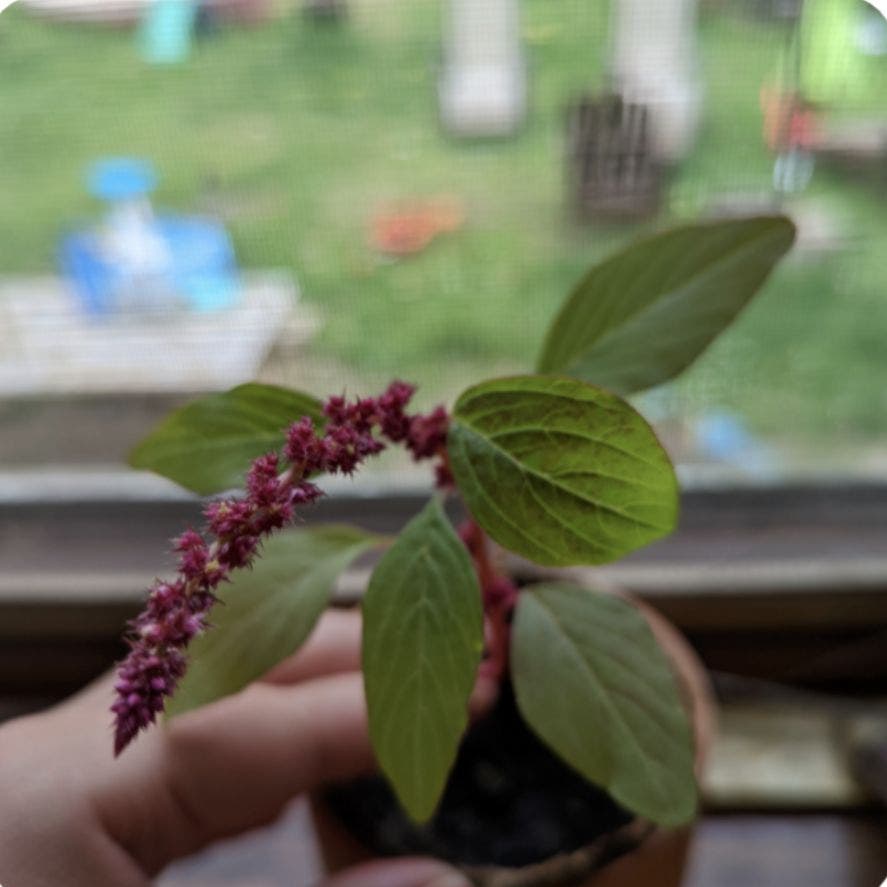
4 Tips for How to Plant Your Foxtail Amaranth ⛏️
Amaranthus caudatus
By the Greg Editorial Team
Oct 19, 2024•5 min read
This article was created with the help of AI so we can cover more plants for you. May contain errors. See one? Report it here.
- 🌱 Plant foxtail amaranth in late spring when soil is above 60°F (15°C).
- 🌞 Ensure 6-8 hours of sunlight daily for optimal growth and health.
- 💧 Keep soil moist but avoid waterlogging to prevent root rot.
Planting New Foxtail Amaranth
🌱 Optimal Timing for Planting
The best time to plant foxtail amaranth is from late spring to early summer. Ensure the soil temperature is above 60°F (15°C) for optimal germination.
🪴 Selecting the Appropriate Soil Mix and Containers
For a thriving foxtail amaranth, use a well-draining, fertile loam enriched with organic matter. If you're gardening in containers, choose pots that are at least 12 inches deep to allow for healthy root development.
📏 Proper Depth and Spacing for Planting
Plant seeds at a depth of 1/4 inch (0.6 cm) to encourage strong growth. Space your plants 12-18 inches (30-45 cm) apart to give them room to flourish.
☀️ Maintaining Ideal Growing Conditions
Foxtail amaranth thrives in full sun, requiring 6-8 hours of sunlight daily. Keep the soil consistently moist but avoid waterlogging, and apply a balanced NPK fertilizer every 4-6 weeks during the growing season for best results.
🌤️ Hardening Off Process Before Outdoor Planting
Acclimatizing your plants is crucial for their success outdoors. Start the hardening off process 7-10 days before transplanting by gradually exposing them to outdoor conditions, beginning with 1-2 hours of sunlight and increasing the time each day.
By following these guidelines, you'll set your foxtail amaranth up for a successful growing season. Next, let’s explore how to transplant established foxtail amaranth for continued growth and productivity.
Transplanting Established Foxtail Amaranth
🌱 Optimal Timing for Transplanting
Transplanting your foxtail amaranth is best done in early spring or fall when temperatures are mild. Look for signs of readiness, such as an established root system and healthy foliage, to ensure a successful move.
🛠️ Step-by-Step Instructions for Transplanting
Removing the Plant from Its Current Location
- Water the plant thoroughly a day before transplanting to help reduce stress.
- Carefully dig around the root zone to minimize disturbance and protect the roots.
- Lift the plant gently, keeping as much soil intact as possible to support its recovery.
Preparing the New Planting Site
- Choose a sunny location with well-draining soil to promote healthy growth.
- Amend the soil with compost or organic matter to enhance fertility.
- Dig a hole that is twice the size of the root ball to give the roots ample space.
Ensuring Proper Placement and Spacing
Position the plant at the same depth it was growing previously to avoid stress. Maintain a spacing of 12-18 inches (30-45 cm) between plants for optimal airflow and growth.
💧 Tips on Watering, Mulching, and Providing Support
After transplanting, water deeply to help the plant settle in. Apply a layer of organic mulch to retain moisture and suppress weeds.
If you're working with taller varieties, consider using stakes for support to prevent bending. This simple step can make a big difference in their growth.
Transplanting foxtail amaranth can be a rewarding experience, setting the stage for a vibrant garden. Next, let’s explore the benefits and drawbacks of planting versus transplanting.
Benefits and Drawbacks
💰 Cost Considerations for Planting vs. Transplanting
When deciding between planting seeds or transplanting established plants, cost is a key factor. Seeds are generally cheaper, allowing for potential savings if you're willing to invest time in nurturing them from the start.
However, established plants come with their own advantages. While they may cost more upfront, they can save you time and effort, especially if you're eager for quicker results.
⏳ Time to Maturity for New vs. Established Plants
Newly planted foxtail amaranth typically takes about 60-90 days to reach maturity. This timeline can feel long if you're impatient for that vibrant foliage.
On the other hand, established plants offer a faster route to harvest. They often settle in quickly, allowing you to enjoy their beauty and benefits sooner.
🌱 Adaptability to Local Growing Conditions
Foxtail amaranth shines in its adaptability. Once established, it shows impressive drought tolerance, making it a resilient choice for various climates.
While it thrives in well-draining soil, it can also handle different soil types. This versatility means you can grow it in a range of conditions, making it a fantastic addition to any garden.
In summary, whether you choose to plant seeds or transplant established plants, understanding the benefits and drawbacks will help you make an informed decision. Next, let’s dive into troubleshooting common issues that may arise during the growing process.
Troubleshooting Common Issues
🌱 Identifying and Addressing Transplant Shock
Transplant shock can be a real hurdle for your foxtail amaranth. Look out for symptoms like wilting, yellowing leaves, and stunted growth.
To combat this, ensure you're watering properly. Avoid fertilizing immediately after transplanting, as this can stress the plant further.
🛠️ Solutions for Establishment Problems
Sometimes, your foxtail amaranth may struggle to establish itself. Common issues include poor root establishment and inadequate sunlight.
To remedy this, adjust your watering practices to keep the soil consistently moist. Also, ensure your plants receive adequate light exposure for healthy growth.
🌿 General Care Tips for Newly Planted or Transplanted Foxtail Amaranth
Regular monitoring is key to keeping your plants healthy. Watch for pests and diseases that can hinder growth.
Maintaining consistent moisture levels during the establishment phase is crucial. This will help your foxtail amaranth thrive in its new environment.
With these tips, you’ll be well-equipped to tackle any challenges that arise. Next, let’s explore the benefits and drawbacks of planting versus transplanting your foxtail amaranth.
⚠️ Safety First
This content is for general information and may contain errors, omissions, or outdated details. It is not medical, veterinary advice, or an endorsement of therapeutic claims.
Always consult a qualified healthcare professional before using any plant as food, medicine, or supplement.
Never eat any plant (or feed one to pets) without confirming its identity with at least two trusted sources.
If you suspect poisoning, call Poison Control (800) 222-1222, the Pet Poison Helpline (800) 213-6680, or your local emergency service immediately.
Spotted an error? Please report it here.
Plant your foxtail amaranth with confidence 🌱 by using Greg's tailored reminders and expert tips to ensure your plants grow vibrantly!