5 Facts About Foxtail Amaranth Pollination 🐝
Amaranthus caudatus
By the Greg Editorial Team
Oct 19, 2024•6 min read
This article was created with the help of AI so we can cover more plants for you. May contain errors. See one? Report it here.
- 🌼 Foxtail Amaranth attracts diverse pollinators, enhancing its reproductive success and genetic diversity.
- 🐝 Bees, butterflies, and hummingbirds are key players in Foxtail Amaranth's pollination process.
- 🌱 Creating a pollinator-friendly environment boosts pollination and supports Foxtail Amaranth's lifecycle.
Flower Structure
🌸 Description of Characteristics
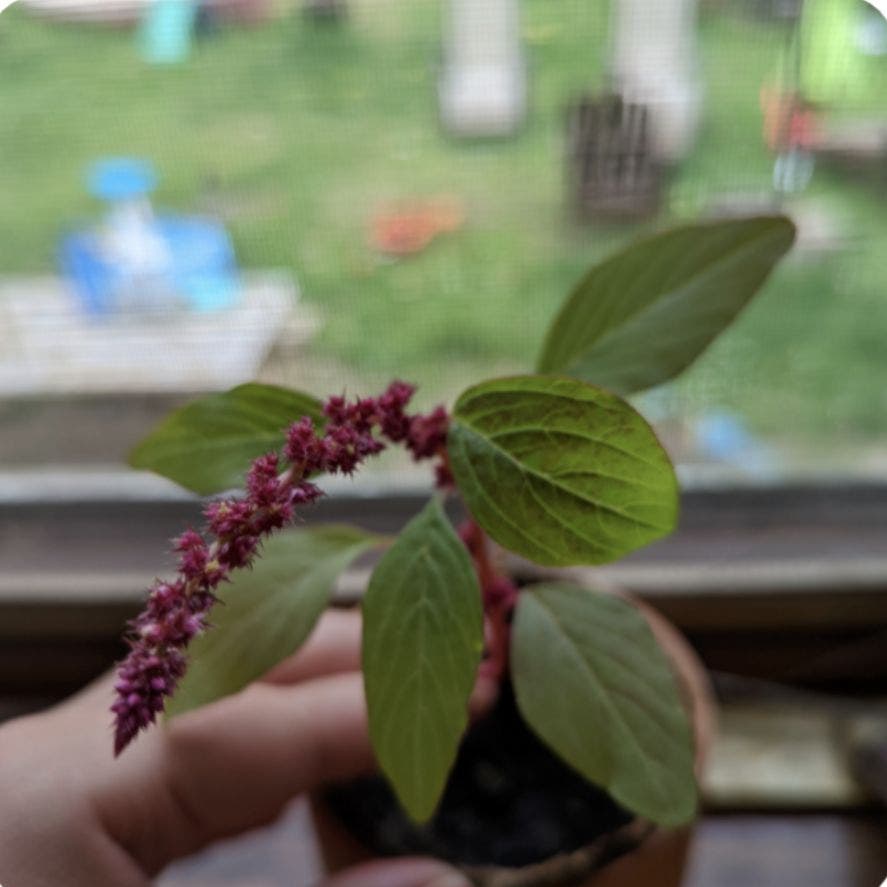
Foxtail Amaranth featFoxtail Amaranthower spikes that can vary significantly in height and density. These vibrant flowers come in shades ranging from green to deep red or purple, making them irresistible to a variety of pollinators.
The arrangement of these flowers is particularly fascinating. They form dense clusters, showcasing both male (stamens) and female (pistils) reproductive parts, which play a crucial role in the plant's reproductive success.
🐝 Role in Pollination
The close proximity of male and female parts allows for efficient self-pollination. This means that Foxtail Amaranth can produce seeds even in the absence of external pollinators.
However, the flower structure also supports cross-pollination. By attracting various pollinator species, the plant enhances genetic diversity, which is vital for its long-term survival and adaptability.
In summplant reproductionaracteristics of Foxtail Amaranth's flowers not only facilitate self-pollination but also invite a diverse array of pollinators, ensuring a robust reproductive process.
As we delve deeper into the pollination process, we’ll explore how these mechanisms work in tandem to support the plant's lifecycle.
Pollination Process
Self-Pollination Explanation 🌼
Foxtail Amaranth is designed for self-pollination, thanks to its unique flower structure. The close arrangement of male (stamens) and female (pistils) parts allows pollen to easily transfer within the same flower.
Even though it can self-pollinate, cross-pollination seed productionant Foxtail Amaranthances genetic diversity, which can lead to stronger plants better adapted to their environment.
Identification of Primary Pollinators 🐝
Bees are the primary pollinators of Foxtail Amaranth. Their attraction to the flower's vibrant colors and sweet scents makes them essential for effective pollen transfer.
Butterflies also play a crucial role, as their feeding habits inadvertently spread pollen from flower to flower. Moths and hummingbirds contribute as well, interacting with the plant during their search for nectar.
Attraction Mechanisms 🌸
The scent of Foxtail Amaranth is a powerful tool in attracting pollinators. The plant emits delightful fragrances that draw in various species.
Color is another key factor; the flowers' striking hues appeal to pollinators, making them hard to resist. This combination of scent and color ensures a bustling environment for pollination.
As we explore the next section, we’ll delve into the natural mechanisms of pollen transfer and the importance of successful pollination for plant reproduction and genetic diversity.
Natural Pollination
🌬️ Pollen Transfer Mechanisms
Foxtail Amaranth relies on both wind and insect pollination to effectively transfer pollen. Wind can carry lightweight pollen grains over distances, while insects, particularly bees and butterflies, play a crucial role by moving pollen from flower to flower.
Insect pollination is particularly effective due to the insects' attraction to the vibrant colors and scents of the flowers. This dual approach ensures that the plant maximizes its chances for successful reproduction.
🌱 Importance of Pollination
Successful pollination is vital for seed production in Foxtail Amaranth. When polleFoxtail Amaranthertilizes the ovules, it leads to the formation of seeds, which are essential for the plant's lifecycle.
Cross-pollination enhances genetic diversity within the species. This diversity is crucial for resilience against diseases and environmental changes, ensuring the long-term survival of Foxtail Amaranth populations.
Understanding these mechanisms highlights the interconnectedness of plants and their pollinators. As we explore the next section on hand pollination techniques, consider how these methods can further support the health of our ecosystems.
Hand Pollination Techniques
Hand pollination can be a rewarding way to ensure the success of your Foxtail Amaranth plants. Here’s a straightforward guide to help you navigate the process.
🌱 Stcompanion plantsuctions
1. Identifying Male and Female Parts
Start by locating the male parts, which are the stamens filled with pollen. Next, identify the female parts, knoSunflowerspistils, where the pollen needs to land.
2. Collecting Pollen
Use a small brush or a cotton swab to gently gather pollen from the male flowers. This step is crucial for ensuring you have enough pollen for effective transfer.
3. Transferring Pollen
Carefully apply the collected pollen to the stigma of the female flowers. This direct contact is essential for successful fertilization.
4. Timing
Perform this process during peak flowering times for optimal success. Pollination is most effective when the flowers are fully open and receptive.
Hand pollination not only boosts your plants' reproductive success but also deepens your connection with naturhumidityking these steps, you can actively participate in the life cycle of your Foxtail Amaranth.
As you explore these techniques, consider how they can enhance your gardening experience. The next section will delve into creating a pollinator-friendly environment, ensuring your efforts yield even greater rewards.
Supporting Pollinators
🌼 Creating a Pollidiverseriendly Environment
To attract local pollinators, planting native species is essential. Native plants are adapted to the local ecosystem, providing the right food and habitat for bees, butterflies, and other beneficial insects.
Additionally, providing water sources can significantly enhance your garden's appeal to pollinators. Simple shallow water dishes can offer a refreshing stop for thirsty insects, especially during hot days.
🌱 Suggested Companion Plants
Incorporating companion plants can further boost pollinator actigardeners Lavender: This fragrant herb not only adds beauty but also attracts bees and butterflies wExtreme temperaturesms.
- Sunflowers: Known for their large, cheerful heads, sunflowers are magnets for a cold snaps pollinators, making thHumidityat addition to any garden.
By creating a welcoming environment and selecting the right cfungal issuests, you can support the vital role of pollinators in your garden. This not only enhances biodiversity but also contributes to the overall health of your ecosystem.
As we explore the challenges faced by pollinators, understanding how to mitigate these obstacles becomes crucial.
Pollination Challenges
Common Obstacles 🌍
Pollination success for Foxtail Amaranth can be significantly impacted by environmental factors. Temperature fluctuations and humidity levels play crucial roles in determining how effectively pollen is transferred.
A decline in pollinator populations also poses a serious challenge. With fewer bees, butterflies, and other pollinators around, the chances of successful pollination decrease, threatening the plant's reproductive success.
Solutions 💡
To combat these challenges, planting diverse flora is essential. A variety of plants can attract different pollinator species, enhancing the chances of successful pollination.
Timing is equally important. Planting at the right time ensures that flowering coincides with peak pollinator activity, maximizing the likelihood of pollen transfer.
Seasonal Variations 🌸
The pollination process varies with the seasons. Flowering times shift, and different pollinators become active, influencing the overall success of pollination.
Understanding these seasonal changes can help gardeners and farmers plan better for optimal pollination.
Impact of Environmental Factors 🌦️
Extreme temperatures can hinder pollination success. High heat can cause pollen to become less viable, while cold snaps can delay flowering.
Humidity also plays a vital role in pollen viability and transfer. Too much moisture can lead to fungal issues, while too little can dry out pollen, making it less effective for fertilization.
By being aware of these factors, we can take proactive steps to support Foxtail Amaranth and its pollination needs.
⚠️ Safety First
This content is for general information and may contain errors, omissions, or outdated details. It is not medical, veterinary advice, or an endorsement of therapeutic claims.
Always consult a qualified healthcare professional before using any plant as food, medicine, or supplement.
Never eat any plant (or feed one to pets) without confirming its identity with at least two trusted sources.
If you suspect poisoning, call Poison Control (800) 222-1222, the Pet Poison Helpline (800) 213-6680, or your local emergency service immediately.
Spotted an error? Please report it here.
Dive into the vibrant world of Foxtail Amaranth pollination and boost your garden's health with Greg's personalized tips 🌱 to attract the perfect pollinators for thriving plants!