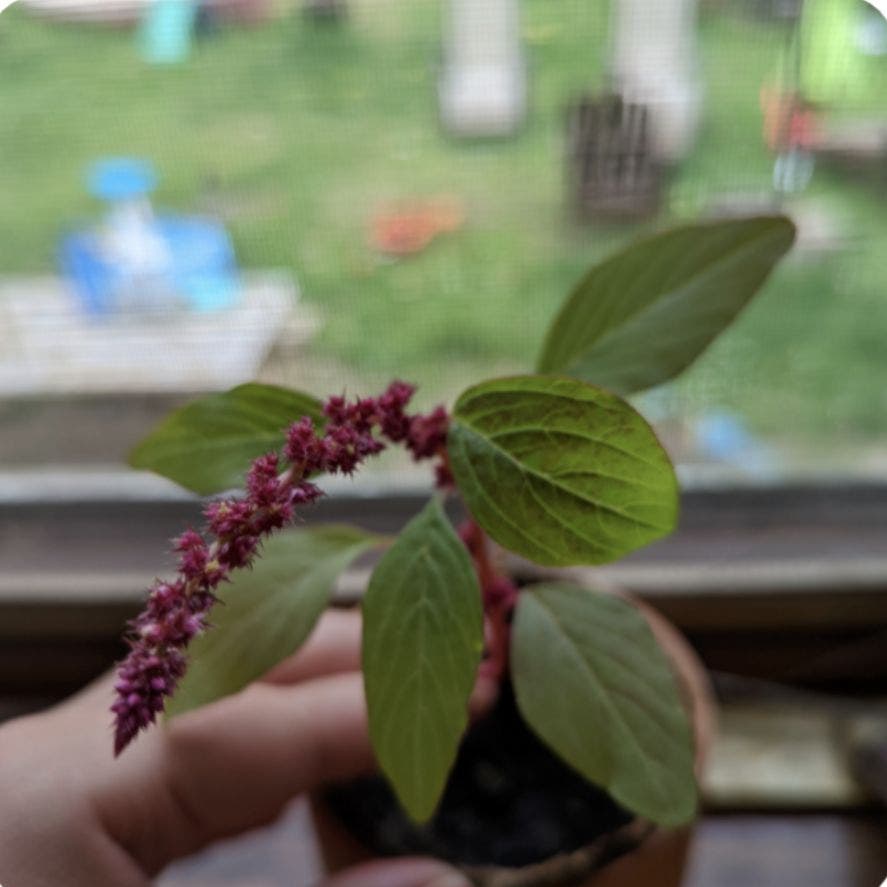
Foxtail Amaranth Is Not a Perennial
Amaranthus caudatus
By the Greg Editorial Team
Oct 19, 2024•5 min read
This article was created with the help of AI so we can cover more plants for you. May contain errors. See one? Report it here.
- 🌱 Foxtail Amaranth is a fast-growing annual, completing its lifecycle in 90 to 120 days.
- 🌼 It lacks a perennial root system, meaning it won't regrow year after year.
- 🌾 Self-seeding creates the illusion of perennials, but it's truly a one-season plant.
Characteristics of Foxtail Amaranth
🌱 Single-Season Lifecycle
Foxtail Amaranth has a fascinating lifecycle that unfolds in a single season. It progresses through four key stages: germination, growth, flowering, and seed production.
Typically, the entire lifecycle lasts about 90 to 120 days. This rapid progression allows gardeners to enjoy its vibrant presence without the long wait associated with perennials.
🚀 Rapid Growth and Maturity
One of the standout features of Foxtail Amaranth is its impressive growth rate. Under optimal conditions, it can reach maturity in just 2 to 3 months.
To achieve this rapid growth, Foxtail Amaranth thrives in warm temperatures and well-drained soil. Adequate sunlight and moisture are also crucial for maximizing its potential.
🌿 Inability to Regrow from Roots
Unlike perennials, Foxtail Amaranth lacks a robust root system that allows for regrowth. This absence of a perennial root structure means it cannot survive from year to year.
As a result, its survival and reproduction rely heavily on seed production. Once the seeds are dispersed, the cycle begins anew, emphasizing its annual nature.
Understanding these characteristics helps gardeners appreciate the unique qualities of Foxtail Amaranth. This knowledge sets the stage for exploring the implications of its annual lifecycle in the next section.
Implications of Annual Nature
🌱 Growth and Flowering Patterns
Foxtail Amaranth typically flowers from mid-summer to early fall. This flowering period is notably shorter than many perennials, which can bloom for several weeks or even months.
⏳ Lifespan Compared to Perennials
The average lifespan of Foxtail Amaranth is just one season, completing its lifecycle in about 2-3 months. In contrast, perennials can live for several years, returning each season to grow and flower.
🎉 Advantages for Gardeners
One of the standout benefits of Foxtail Amaranth is its quick maturity, allowing gardeners to enjoy vibrant blooms in a short time. This rapid growth also offers flexibility in garden planning, enabling changes in plantings each year to keep the garden fresh and exciting.
Incorporating Foxtail Amaranth into your garden can lead to a dynamic and colorful landscape, perfect for those who love to experiment with seasonal designs. As we explore common misconceptions about this plant, you'll gain a clearer understanding of its unique characteristics and how to best utilize them.
Common Misconceptions
Misunderstandings About Perennial Behavior 🌱
Many gardeners mistakenly classify Foxtail Amaranth as a perennial. This confusion often arises from its vigorous growth and ability to self-seed, but it’s crucial to understand that Foxtail Amaranth completes its lifecycle in just one season.
The plant lacks a perennial root system, which means it cannot survive winter conditions like true perennials. Instead, it germinates, grows, flowers, and produces seeds all within a single growing season.
Situations Where Foxtail Amaranth May Seem Perennial 🌼
Self-seeding can create the illusion that Foxtail Amaranth behaves like a perennial. When seeds drop and sprout the following year, it may appear as if the plant has returned, but this is simply new growth from seeds rather than regrowth from roots.
Additionally, climate factors can influence perceptions of Foxtail Amaranth's longevity. In warmer regions, the plant may thrive and self-seed more effectively, leading to the misconception that it persists year after year.
Understanding these nuances helps clarify the true nature of Foxtail Amaranth and enhances your gardening strategy. Next, let’s explore how to enjoy this vibrant plant in your garden.
Strategies for Enjoying Foxtail Amaranth
Self-Seeding Benefits 🌱
Self-seeding is a fascinating process where plants drop their seeds, allowing new plants to sprout in the following season. This not only ensures a continuous presence of Foxtail Amaranth in your garden but also reduces the need for replanting.
To encourage self-seeding, allow some flowers to mature and go to seed. Simply let nature take its course, and you'll be rewarded with vibrant new plants each year.
Seasonal Enjoyment Tips 🌼
To maximize your enjoyment of Foxtail Amaranth throughout the growing season, consider regular harvesting. This encourages more blooms and keeps the plant looking fresh.
Incorporate Foxtail Amaranth into seasonal displays by pairing it with other colorful annuals. Its striking appearance can elevate any garden, making it a standout feature in your landscape.
By understanding these strategies, you can truly appreciate the beauty and utility of Foxtail Amaranth in your gardening endeavors. Next, let’s explore how to incorporate this stunning plant into your garden design effectively.
Incorporating Foxtail Amaranth in Gardens
🌱 Companion Planting with Perennials
Foxtail Amaranth thrives alongside various perennial plants. Consider pairing it with Echinacea, Rudbeckia, or Salvia for a vibrant garden that offers both beauty and biodiversity.
Mixing annuals like Foxtail Amaranth with perennials enhances garden resilience. This combination allows for a dynamic display, as the perennials provide structure while the annuals add seasonal bursts of color.
🎨 Maximizing Visual Impact as an Annual
To create a stunning visual impact, arrange Foxtail Amaranth in clusters. This grouping not only draws the eye but also emphasizes its unique texture and color.
When planning your layout, think about color combinations. Pair the deep greens of Foxtail Amaranth with bright yellows or purples for a striking contrast. Additionally, consider height variations; placing taller plants in the back and shorter ones in the front creates depth and interest.
Incorporating these strategies will ensure your garden is not only beautiful but also a thriving ecosystem. With the right planning, Foxtail Amaranth can elevate your garden's aesthetic and functionality.
⚠️ Safety First
This content is for general information and may contain errors, omissions, or outdated details. It is not medical, veterinary advice, or an endorsement of therapeutic claims.
Always consult a qualified healthcare professional before using any plant as food, medicine, or supplement.
Never eat any plant (or feed one to pets) without confirming its identity with at least two trusted sources.
If you suspect poisoning, call Poison Control (800) 222-1222, the Pet Poison Helpline (800) 213-6680, or your local emergency service immediately.
Spotted an error? Please report it here.
Maximize your garden's potential with the quick-growing Foxtail Amaranth 🌼, and let Greg guide you with tailored care tips for vibrant blooms every season!