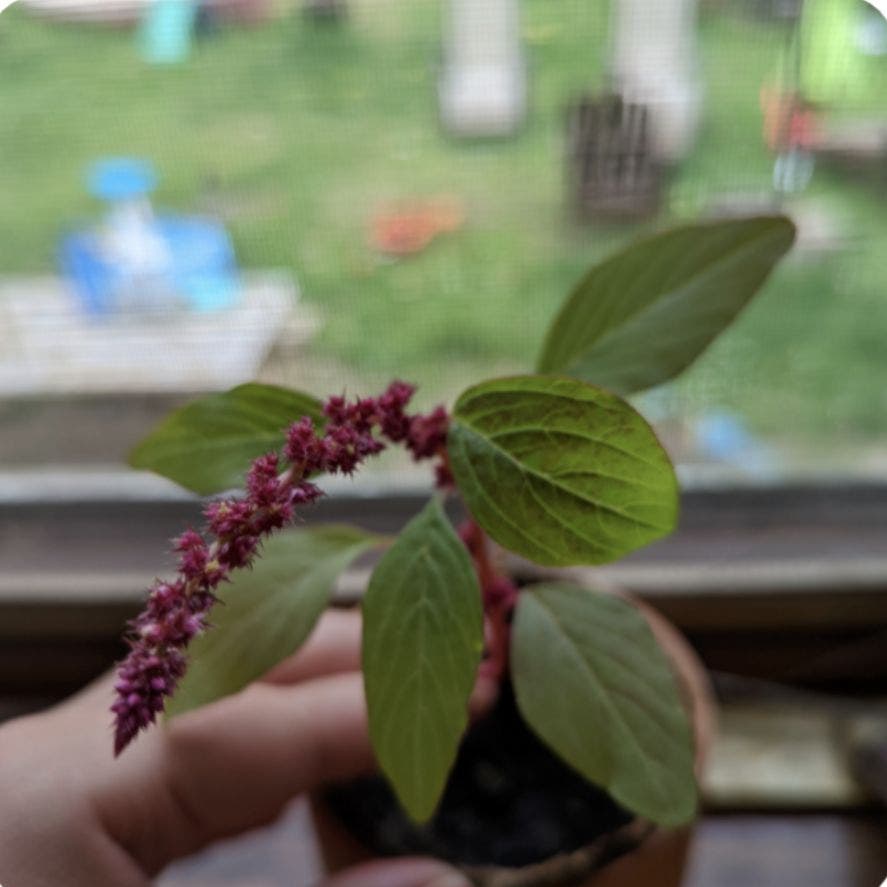
4 Essential Outdoor Foxtail Amaranth Care Routines 💧
Amaranthus caudatus
By the Greg Editorial Team
Oct 19, 2024•6 min read
This article was created with the help of AI so we can cover more plants for you. May contain errors. See one? Report it here.
- ☀️ Foxtail amaranth needs 6-8 hours of sunlight for vibrant growth and flowers.
- 💧 Water every 3-5 days; avoid overwatering to prevent yellowing leaves and root rot.
- 🌱 Use well-draining soil with pH 6.0-7.0 for optimal root health and nutrient uptake.
Sunlight Needs
Ideal Sunlight Exposure 🌞
Foxtail amaranth thrives in full sun, requiring 6-8 hours of direct sunlight daily. This exposure is crucial as it promotes healthy growth and vibrant flower spikes, making your garden a visual delight.
Effects of Insufficient Sunlight 🌑
Without adequate sunlight, you may notice stunted growth, characterized by weak stems and fewer flowers. Additionally, plants become more susceptible to pests and diseases, which can hinder their overall health and beauty.
Ensuring your foxtail amaranth gets enough sun is essential for a thriving garden. Next, let’s explore the watering requirements to keep your plants healthy and hydrated.
Watering Requirements
General Watering Guidelines 🌧️
For successful germination, keep the soil consistently damp but avoid waterlogging. Once established, foxtail amaranth becomes drought-tolerant, yet it thrives with regular watering during dry spells.
Watering Frequency ⏰
Aim to water every 3-5 days, adjusting based on rainfall and temperature.
- Signs of Overwatering: Look for yellowing leaves and root rot.
- Signs of Underwatering: Watch for wilting leaves and dry soil.
Understanding these watering needs is crucial for maintaining healthy plants. With the right moisture levels, your foxtail amaranth will flourish, setting the stage for vibrant growth and stunning flower spikes.
Next, let's explore the ideal soil preferences to further enhance your gardening success.
Soil Preferences
Ideal Soil Conditions 🌱
For your outdoor foxtail amaranth, well-draining soil is a must. This ensures healthy root development and prevents waterlogging, which can lead to root rot.
The ideal soil pH ranges from 6.0 to 7.0. This pH level promotes optimal nutrient uptake, allowing your plants to thrive.
Soil Amendments 🧑🌾
Incorporating organic matter, like compost, can significantly enhance soil fertility and drainage. This simple addition not only nourishes your plants but also improves soil structure.
Mulching is another effective strategy. Using organic mulch helps retain moisture and suppress weeds, creating a more favorable environment for your foxtail amaranth.
With the right soil conditions and amendments, your plants will be set up for success. Next, let’s explore the fertilization techniques that will keep them flourishing.
Fertilization Techniques
Fertilization Schedule 🌱
To kickstart your outdoor foxtail amaranth, apply a balanced fertilizer at planting. This initial boost sets the stage for robust growth.
As the growing season progresses, continue with monthly fertilization. This regular feeding keeps your plants thriving and vibrant.
Types of Fertilizers 🧪
When it comes to fertilizers, you have options. Organic choices like compost tea and fish emulsion enrich the soil naturally, promoting healthy growth.
If you prefer synthetic options, balanced NPK fertilizers, such as 10-10-10, provide a straightforward solution. They deliver essential nutrients efficiently.
Incorporating these fertilization techniques ensures your foxtail amaranth flourishes. With the right care, you’ll enjoy a stunning display of vibrant flower spikes throughout the season.
Ready to dive into planting options? Let's explore how to best set up your garden for success!
Planting Options
Container vs. Ground Planting 🌱
Container Planting:
Container planting offers flexibility. You can easily move pots to ensure your foxtail amaranth gets optimal sunlight and protection from harsh weather.
However, containers come with limitations. They restrict root space, require more frequent watering, and can be vulnerable to temperature fluctuations.
Ground Planting 🌍
Ground Planting:
Planting directly in the ground allows for more root expansion. This method also enhances moisture retention, which is beneficial for your plants.
On the downside, ground planting means less control over soil quality. Additionally, plants are more exposed to pests and diseases, which can be a concern.
Choosing between container and ground planting ultimately depends on your space and care preferences. Both methods have their merits, so consider what works best for your gardening style.
Next, let’s explore effective protection strategies to keep your foxtail amaranth thriving.
Protection Strategies
🌤️ Weather Protection Techniques
When it comes to protecting your outdoor foxtail amaranth, weather conditions can be a game changer. Using shade cloth during extreme heat is essential to prevent sunburn on your plants.
Frost covers are another must-have, especially for young plants. They act as a barrier against unexpected frosts, ensuring your plants stay safe and healthy.
🐛 Pest and Disease Management
Keeping an eye on pests is crucial for maintaining the health of your foxtail amaranth.
Common Outdoor Pests
Aphids are notorious for their telltale signs: curled leaves and sticky residue. If you spot these, it's time to take action.
Spider mites are another common foe. Look for fine webbing and stippled leaves, which indicate their presence.
Common Diseases and Prevention
Root rot can be a serious issue, but you can prevent it by ensuring your soil drains well and by watering appropriately.
Powdery mildew is another concern, but you can manage it by promoting good air circulation and avoiding overhead watering.
With these protection strategies in place, your foxtail amaranth will thrive, ready to transition into seasonal care routines.
Seasonal Care
Spring to Winter Routines 🌱
Spring: This is the perfect time to sow seeds or transplant seedlings. As growth begins, applying a balanced fertilizer will give your plants the boost they need.
Summer: During hot spells, increase your watering frequency. Keep an eye out for pests; they love the warmth just as much as your plants do.
Fall: Before the frost sets in, collect seeds and leaves. Applying mulch will help protect the roots from the impending cold.
Winter: For container plants, move them indoors to shield them from harsh weather. Ground plants should be covered with mulch or frost cloth for added protection.
By following these seasonal care routines, your outdoor foxtail amaranth will thrive year-round. Next, let’s explore the best climate zones for optimal growth.
Climate Zone Considerations
Best Zones and Adjustments 🌍
Foxtail amaranth thrives in USDA zones 9-11, making it a fantastic choice for warmer climates. With the right care, it can adapt to even hotter areas, ensuring vibrant growth and stunning flower spikes.
In hot climates, it's crucial to increase watering frequency. Providing shade during peak sun hours can also help protect your plants from scorching.
For those in cooler climates, starting seeds indoors is a smart move. Transplant them only after the last frost to give them the best chance to flourish.
Understanding these climate zone considerations will set you up for success. With the right adjustments, your foxtail amaranth can thrive, no matter where you are!
Next, let’s dive into effective protection strategies to keep your plants healthy and vibrant.
⚠️ Safety First
This content is for general information and may contain errors, omissions, or outdated details. It is not medical, veterinary advice, or an endorsement of therapeutic claims.
Always consult a qualified healthcare professional before using any plant as food, medicine, or supplement.
Never eat any plant (or feed one to pets) without confirming its identity with at least two trusted sources.
If you suspect poisoning, call Poison Control (800) 222-1222, the Pet Poison Helpline (800) 213-6680, or your local emergency service immediately.
Spotted an error? Please report it here.
Nurture your foxtail amaranth to bloom brilliantly 🌼 by using Greg's personalized watering reminders and care tips tailored to your unique garden conditions!