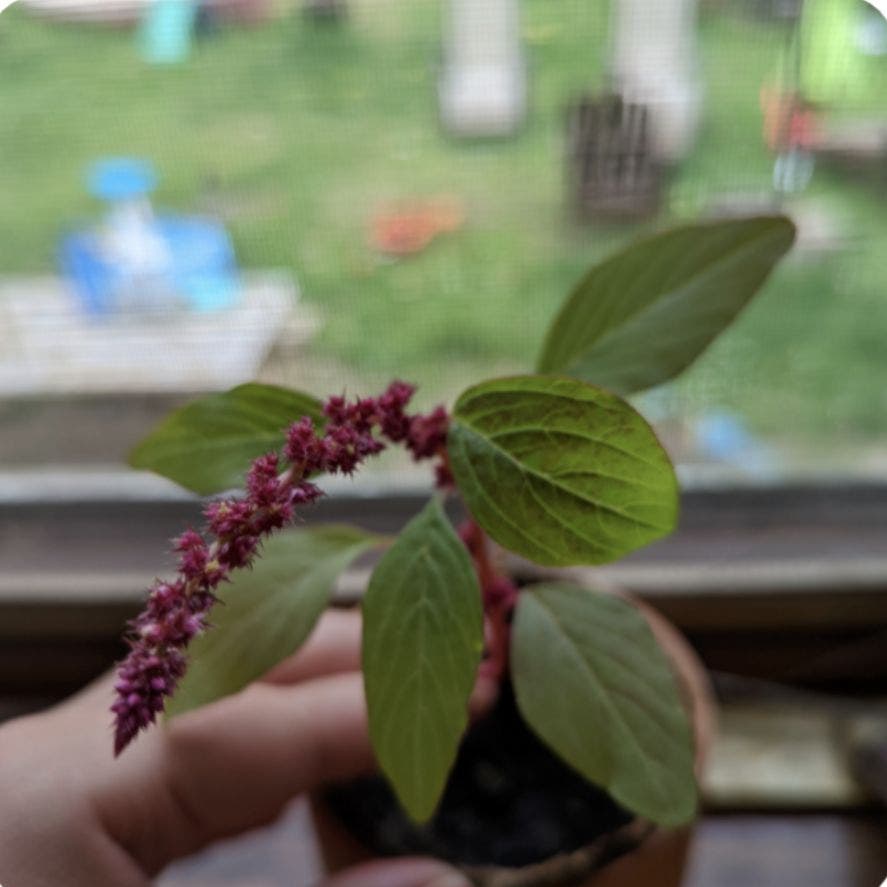
3 Perfect Spots to Plant Your Foxtail Amaranth ⛏️
Amaranthus caudatus
By the Greg Editorial Team
Oct 19, 2024•3 min read
This article was created with the help of AI so we can cover more plants for you. May contain errors. See one? Report it here.
- ☀️ Foxtail Amaranth needs 6-8 hours of sunlight for optimal growth.
- 🌱 Plant in well-draining, fertile soil with a pH of 6.0 to 7.0.
- 🌬️ Maintain 12-18 inches distance from barriers for proper air circulation.
Ideal Planting Locations
☀️ Sunlight Exposure Requirements
Foxtail Amaranth thrives in full sun, needing at least 6-8 hours of direct sunlight daily. Without adequate sun exposure, you may notice stunted growth and fewer flowers.
Ideal spots include south-facing areas or locations with minimal shade. Keep an eye on seasonal sun patterns to ensure your plants get the light they need year-round.
🌱 Soil Type Preferences
For optimal growth, Foxtail Amaranth prefers well-draining, fertile soil. While it can tolerate poorer soil, it truly flourishes in nutrient-rich environments.
Aim for a soil pH between 6.0 and 7.0, which is slightly acidic to neutral. To assess your soil quality, consider using a soil test kit to check nutrient levels and pH.
🌳 Proximity to Other Plants or Structures
Spacing is crucial for Foxtail Amaranth, as it allows for adequate air circulation and helps prevent disease. Maintain a distance of at least 12-18 inches from walls or fences.
Companion planting can enhance growth and pest resistance. Be mindful to avoid overcrowding, ensuring that other plants don’t overshadow your Foxtail Amaranth.
📍 Assessing the Best Spot
🌞 Evaluating Sunlight and Shade
To find the best planting location, observe sunlight patterns at different times of the day. Identify shaded areas created by trees or structures that may block sunlight.
Adjust your planting locations based on shade tolerance, as Foxtail Amaranth prefers full sun.
💧 Analyzing Soil Drainage and Quality
Good drainage is vital to prevent root rot and promote healthy growth. Test drainage by digging a hole and filling it with water; if it drains slowly, you may need to improve it.
Incorporate compost or sand into your soil to enhance drainage if necessary.
🌤️ Considering Microclimates
Microclimates are small areas with different climate conditions than their surroundings. Look for sheltered spots that retain heat or moisture, which can benefit your plants.
Utilize these microclimates by planting in areas that provide warmth and protection from wind.
🌬️ Environmental Considerations
🛡️ Wind Protection Strategies
Wind protection is essential for preventing damage to delicate flower spikes. Natural windbreaks like hedges, fences, or taller plants can shield your Foxtail Amaranth.
Position your plants in areas that are less exposed to prevailing winds for added protection.
🍂 Seasonal Changes and Their Impact
Understanding seasonal variations is key, as temperature and frost can significantly affect growth. The ideal time to plant is after the last frost date in your area.
Adjust your care based on seasonal changes, monitoring shifts in sunlight and temperature.
🏡 Indoor vs. Outdoor Planting
🪴 Best Indoor Locations
For indoor planting, aim for bright, sunny windowsills or south-facing rooms. Use pots with drainage holes to prevent waterlogging, ensuring your plants thrive.
If natural light is insufficient, consider using grow lights to supplement.
🌼 Outdoor Garden Layouts
When planting outdoors, raised beds or garden plots with full sun exposure are recommended. Maintain a spacing of 12-18 inches between plants for optimal growth.
Plan for staggered planting to extend your growing season, maximizing your garden's potential.
With these tips, you’re well on your way to finding the perfect spots for your Foxtail Amaranth! Next, let’s explore the best practices for caring for these vibrant plants.
⚠️ Safety First
This content is for general information and may contain errors, omissions, or outdated details. It is not medical, veterinary advice, or an endorsement of therapeutic claims.
Always consult a qualified healthcare professional before using any plant as food, medicine, or supplement.
Never eat any plant (or feed one to pets) without confirming its identity with at least two trusted sources.
If you suspect poisoning, call Poison Control (800) 222-1222, the Pet Poison Helpline (800) 213-6680, or your local emergency service immediately.
Spotted an error? Please report it here.
Create the perfect home for your Foxtail Amaranth 🌱 with Greg's tailored care tips and reminders, ensuring it flourishes in the best spots!