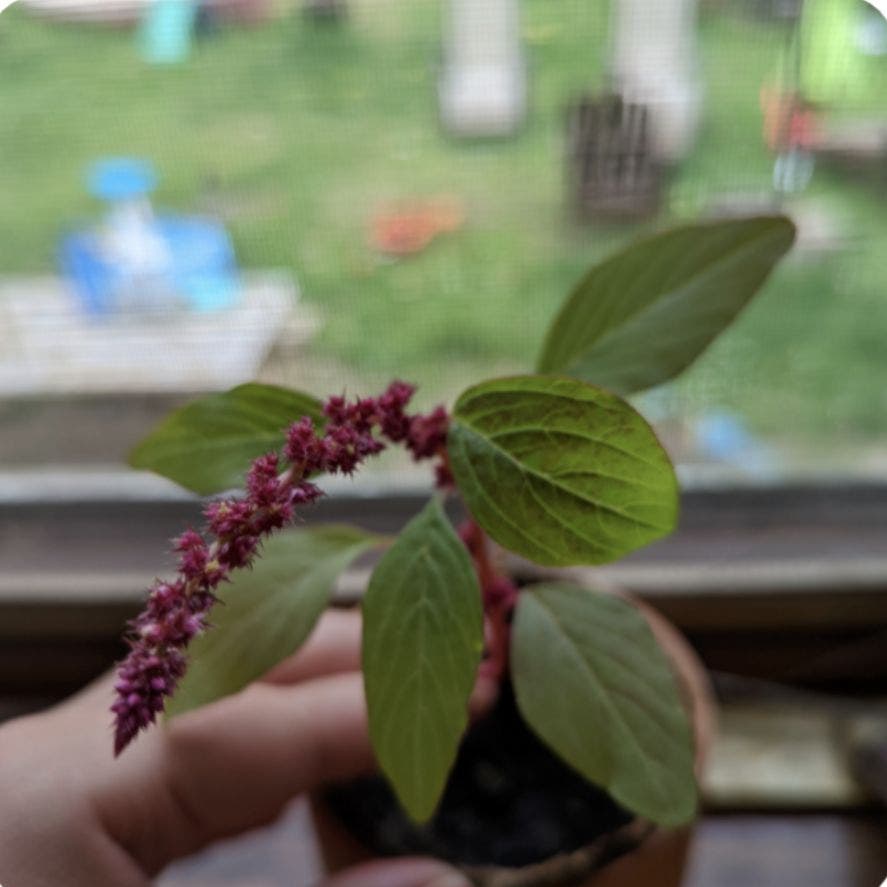
❤️ Propagating Love-Lies-Bleeding: Step-by-Step Guide
Amaranthus caudatus
By the Greg Editorial Team
Oct 18, 2024•5 min read
This article was created with the help of AI so we can cover more plants for you. May contain errors. See one? Report it here.
- 🌱 High-quality seeds and soil are crucial for successful Love-Lies-Bleeding propagation.
- 🌞 Maintain ideal conditions: 70°F-85°F and 12-16 hours of indirect light for germination.
- ✂️ Healthy cuttings and rooting hormone boost success rates in propagation efforts.
Seed Propagation
🌱 Selecting Seeds
Choosing high-quality seeds is crucial for successful propagation. Look for reputable sources and consider specific varieties that offer desirable traits, such as color or growth habit.
🏵️ Preparing Soil
A well-draining, fertile soil mix is essential for healthy seed growth. Aim for a soil pH between 6.0 and 7.0 to create the best environment for your seeds.
🌾 Sowing Seeds
Sow your seeds at a depth of 1/4 inch, ensuring they have enough room to grow. Space them 12-18 inches apart to allow for proper air circulation and growth. After sowing, water gently to avoid displacing the seeds.
🌱 Germination Process
The germination time for Love-Lies-Bleeding seeds typically ranges from 7 to 14 days. Maintain an ideal temperature between 70°F and 85°F, and provide 12-16 hours of indirect sunlight or fluorescent light daily for optimal growth.
With these steps, you're well on your way to nurturing your Love-Lies-Bleeding plants from seed. Next, let’s explore cutting propagation for those who prefer a different approach.
Cutting Propagation
🌱 Selecting Healthy Cuttings
To start your cutting propagation journey, select healthy stems that are 4-6 inches long. Ensure these cuttings are free from pests and diseases to give them the best chance of thriving.
✂️ Preparing Cuttings
Next, prepare your cuttings by removing the lower leaves. This step is crucial to prevent rot and promote healthy growth.
🌿 Rooting Hormone Application
Applying rooting hormone can significantly boost your success rate. You can choose between powder or gel forms; just make sure to apply it to the cut end of each cutting.
🌍 Planting Cuttings
When it comes to planting, use a well-draining potting mix. Insert your cuttings about 2-3 inches deep to secure them in place.
💧 Care for Newly Planted Cuttings
After planting, water your cuttings lightly to keep the soil moist but not soggy. To maintain humidity, cover them with a plastic bag or dome, creating a mini greenhouse effect.
With these steps, you’re well on your way to successful cutting propagation. Next, let’s explore common challenges you might face during this process.
Common Challenges in Propagation
🐛 Pests and Diseases During Propagation
Propagation can be a rewarding journey, but pests and diseases can quickly derail your efforts. Regularly inspect your plants for common culprits like aphids, spider mites, and fungal infections.
💧 Overwatering and Underwatering Issues
Watering is crucial, yet it’s easy to overdo or neglect it. Signs of overwatering include yellowing leaves and root rot, while underwatering often shows up as wilting or crispy leaves.
🔄 Solutions: Adjust Watering Frequency
To tackle these issues, adjust your watering schedule based on the plant's needs and environmental conditions. A moisture meter can be a handy tool to help you gauge when to water.
❌ Identifying and Correcting Propagation Failures
Sometimes, despite your best efforts, propagation fails. Common mistakes include using poor-quality cuttings or inadequate light conditions.
🛠️ Solutions for Propagation Failures
To correct these issues, ensure you’re using healthy cuttings and providing the right light and humidity. Learning from these setbacks will only make you a better gardener.
With these challenges addressed, you’re well on your way to successful propagation. Next, let’s explore the exciting process of transplanting your seedlings!
Transplanting
When to Transplant Seedlings 🌱
Transplant your seedlings when they boast 2-3 sets of true leaves. This usually happens about 4-6 weeks after germination, signaling they’re ready for their next adventure.
Preparing the Transplant Site 🌞
Select a sunny spot for your new plants; they thrive in full sun. Before planting, enrich the soil with compost to ensure they have the nutrients they need to flourish.
Post-Transplant Care 💧
After transplanting, give your seedlings a good drink of water to help them settle in. Keep an eye out for signs of stress, such as wilting or yellowing leaves, and adjust your care accordingly.
With your seedlings now in their new home, you’re one step closer to enjoying the vibrant beauty of Love-Lies-Bleeding. Next, let’s explore the essential tools and materials that will make your propagation journey smoother.
Tools and Materials Needed
Essential Tools for Propagation 🌱
To get started with propagating Love-Lies-Bleeding, you'll need a few essential tools. Seed trays or pots are crucial for starting your seeds or cuttings.
Sharp scissors or pruners will help you take clean cuttings, ensuring healthy growth. A watering can or spray bottle is also important for gently watering your plants without disturbing the soil.
Recommended Soil Types 🪴
Choosing the right soil is vital for successful propagation. A well-draining potting mix provides the necessary nutrients and aeration for your plants.
For an extra boost, consider adding perlite or vermiculite to improve drainage and moisture retention. This combination creates an ideal environment for your Love-Lies-Bleeding to thrive.
Rooting Hormone Options 🌿
Using rooting hormone can significantly enhance your success rate with cuttings. You have several options: powder, gel, or liquid forms are all effective.
Always follow the manufacturer’s instructions for application to ensure optimal results. This small step can make a big difference in your propagation journey.
By gathering these tools and materials, you're setting the stage for successful propagation. Next, let’s explore the step-by-step process of propagating Love-Lies-Bleeding, so you can watch your garden flourish!
⚠️ Safety First
This content is for general information and may contain errors, omissions, or outdated details. It is not medical, veterinary advice, or an endorsement of therapeutic claims.
Always consult a qualified healthcare professional before using any plant as food, medicine, or supplement.
Never eat any plant (or feed one to pets) without confirming its identity with at least two trusted sources.
If you suspect poisoning, call Poison Control (800) 222-1222, the Pet Poison Helpline (800) 213-6680, or your local emergency service immediately.
Spotted an error? Please report it here.
Propagating Love-Lies-Bleeding can be thrilling 🌿 when you use Greg's tailored tips and reminders to help your seeds and cuttings thrive every step of the way!