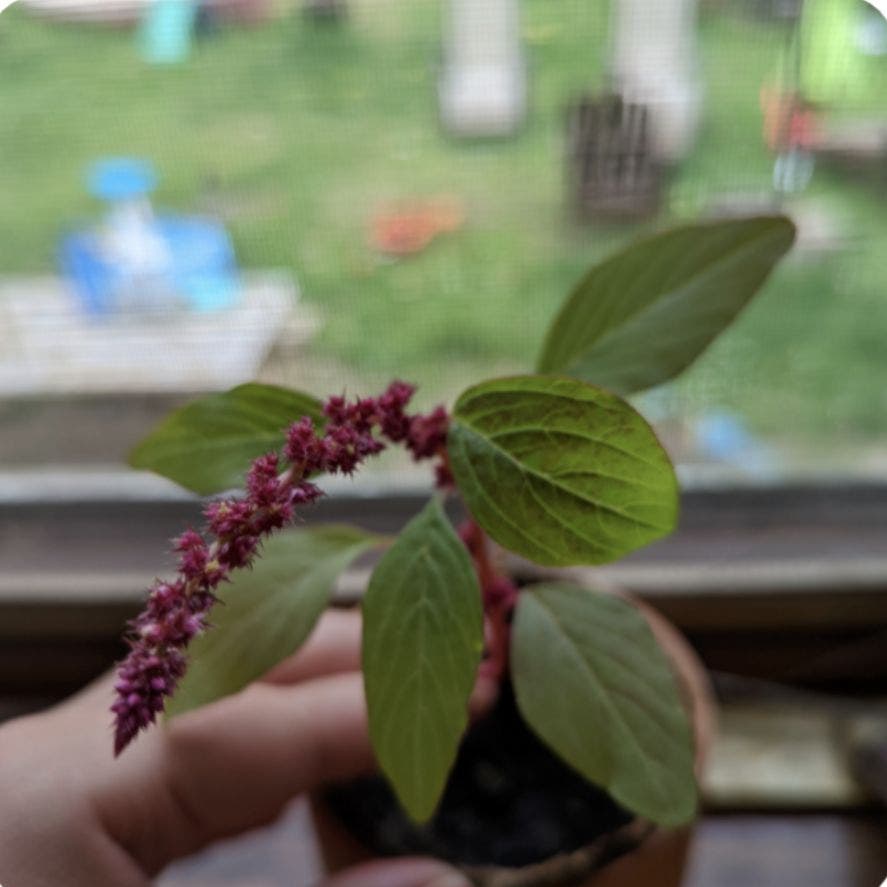
❤️ Ultimate Guide to Watering Your Love-Lies-Bleeding
Amaranthus caudatus
By the Greg Editorial Team
Oct 16, 2024•5 min read
This article was created with the help of AI so we can cover more plants for you. May contain errors. See one? Report it here.
- 💧 Water every 1-2 weeks, adjusting for light, temperature, and humidity changes.
- 🌱 Increase watering in spring/summer; reduce in fall/winter for dormancy.
- 📏 Use moisture meters or finger tests to prevent over- or under-watering.
How Often to Water
General Watering Frequency 🌊
Water your Love-Lies-Bleeding every 1-2 weeks, adjusting based on environmental conditions. This flexibility helps ensure your plant thrives.
Several factors influence how often you should water:
- Light: More sunlight means increased evaporation, so you’ll need to water more frequently.
- Temperature: Higher temperatures dry out the soil faster, requiring more regular watering.
- Humidity: In low humidity, your plant will need more water to stay healthy.
Seasonal Adjustments 🍂
As the seasons change, so should your watering routine.
- Spring and Summer: Increase watering frequency as your plant grows more actively.
- Fall and Winter: Cut back on watering as the plant enters dormancy, conserving energy and moisture.
By keeping these guidelines in mind, you can maintain a healthy watering schedule that adapts to your plant's needs. This will set the stage for recognizing any watering issues that may arise.
Recognizing Watering Issues
🚿 Signs of Over-Watering
Over-watering can be a sneaky problem for your Love-Lies-Bleeding. Look out for yellowing leaves; this is a clear sign that your plant is stressed from too much moisture.
Another red flag is root rot, which manifests as mushy roots and a foul smell. If your soil is consistently soggy, it’s time to reassess your watering routine.
💧 Signs of Under-Watering
On the flip side, under-watering can also cause distress. If you notice wilting leaves that droop and lose their firmness, your plant is likely thirsty.
Dry soil is another telltale sign; it will pull away from the edges of the pot and feel parched. Additionally, older leaves may drop off as the plant conserves moisture, signaling that it needs a drink.
Recognizing these signs early can help you maintain a healthy watering routine, ensuring your Love-Lies-Bleeding thrives. Next, let’s explore effective watering techniques to keep your plant happy and hydrated.
Watering Techniques
🌊 Bottom-Watering Method
The bottom-watering method is a simLove-Lies-Bleedingtechnique. By placing your pot in a tray of water, the soil can absorb moisture from the bottom up.
Benefits of Bottom-Watering
This method encourages deep root growth, which is essential for a healthy plant. It also reduces the risk of over-watering, as excess water can drain away naturally.
Steps for Bottom-Watering
- Fill a tray with water.
- Place the pot in the tray for 30 minutes.
- Remove the pot and allow any excess water to drain.
💧 Self-Watering Pots
Self-watering pots are designed with a reservoir that allows plants to absorb water as needed. This feature can be a game-changer for busy plant parents.
Benefits of Self-Watering Pots
These pots maintain consistent moisture levels, which is crucial for your Love-Lies-Bleeding. They also reduce the frequency of watering, giving you more time to enjoy your plants.
Considerations for Self-Watering Pots
While self-watering pots are convenient, it's essential to ensure the reservoir isn't overfilled. Overfilling can lead to root rot, which can be detrimental to your plant's health.
With these watering techniques, you can ensure your Love-Lies-Bleeding thrives. Next, let’s explore how to measure soil moisture effectively to keep your plant happy and healthy.
Measuring Soil Moisture
🛠️ Tools for Measuring Moisture Levels
Keeping track of your plant's moisture levels is crucial for its health. A moisture meter is a handy tool that provLove-Lies-Bleedingng of soil moisture levels, making it easy to know when to water.
For a more hands-on approach, try the finger test. Simply insert your finger into the soil up to 2 inches. If it feels dry, it’s time to give your plant a drink.
💧 How to Assess When to Water
Knowing when to water can be a game changer for your Love-Lies-Bleeding. Use the moisture meter readings as your guide; aim for a reading of 3-4 for optimal moisture.
If you're relying on the finger test, the soil should feel slightly moist but not wet. This balance is key to keeping your plant thriving without the risk of over-watering.
With these simple tools and techniques, you'll be well-equipped to ensure your Love-Lies-Bleeding gets the right amount of water. Next, let’s explore how to create a watering schedule that fits your plant’s needs.
Watering Schedule and Reminders
🌧️ Creating a Watering Schedule
Setting a watering schedule is crucial for your Love-Lies-Bleeding's health. The Greg plant care app is a fantastic tool for this, allowing you to set reminders tailored to your plant's specific needs.
Adjust your reminders seasonally to reflect changes in watering frequency. This ensures your plant gets the right amount of moisture throughout the year.
⏰ Tips for Setting Reminders
Aim to schedule reminders every 1-2 weeks during the growing season. This keeps you on track and helps maintain optimal moisture levels.
Before watering, always check the soil moisture. Adding a note in your reminders can prevent over-watering, which is a common mistake.
Utilize the app's features to track your watering history. This can help you make necessary adjustments based on your plant's response to care.
By staying organized and attentive, you’ll foster a thriving environment for your Love-Lies-Bleeding. Next, let’s explore how to measure soil moisture effectively.
⚠️ Safety First
This content is for general information and may contain errors, omissions, or outdated details. It is not medical, veterinary advice, or an endorsement of therapeutic claims.
Always consult a qualified healthcare professional before using any plant as food, medicine, or supplement.
Never eat any plant (or feed one to pets) without confirming its identity with at least two trusted sources.
If you suspect poisoning, call Poison Control (800) 222-1222, the Pet Poison Helpline (800) 213-6680, or your local emergency service immediately.
Spotted an error? Please report it here.
Keep your Love-Lies-Bleeding thriving 🌱 by using Greg's tailored watering reminders and moisture tracking to ensure it gets just the right amount of love!