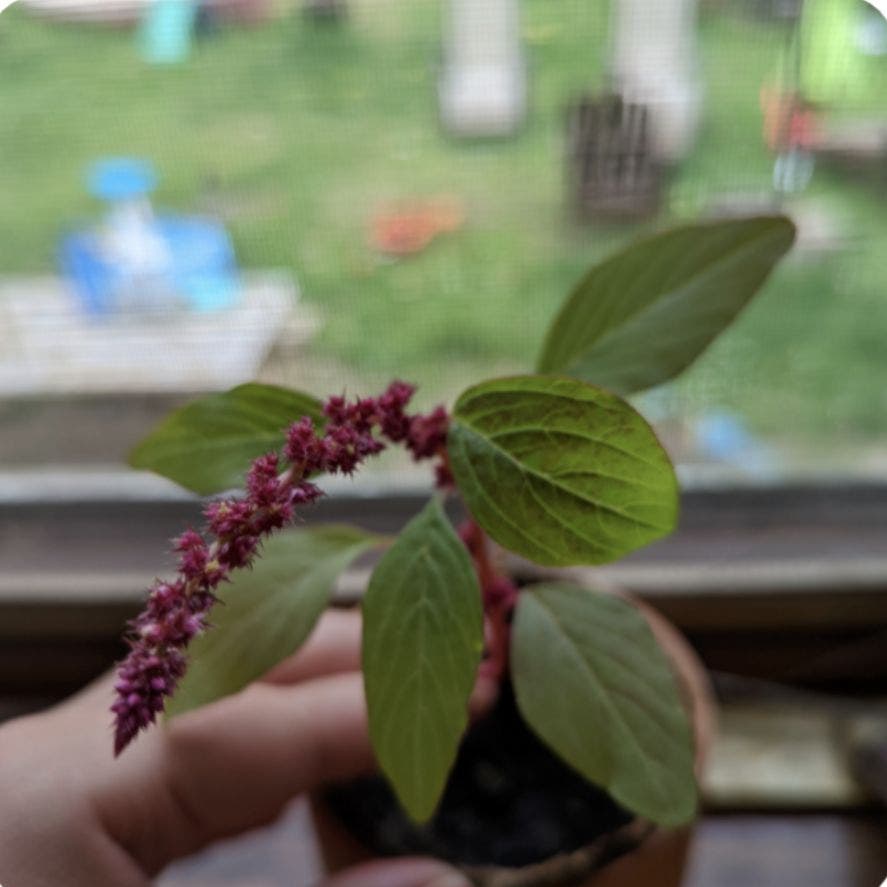
❤️ Reasons Your Love-Lies-Bleeding Leaves Are Turning Yellow
Amaranthus caudatus
By the Greg Editorial Team
Oct 16, 2024•5 min read
This article was created with the help of AI so we can cover more plants for you. May contain errors. See one? Report it here.
- 🌱 Yellow leaves indicate nutrient deficiencies, especially nitrogen and iron.
- 💧 Overwatering and underwatering both cause yellowing; ensure proper drainage and moisture.
- 🐛 Pests like aphids can distort growth; early detection is key for treatment.
Causes of Yellowing Leaves
🌱 Nutrient Deficiencies
Nitrogen Deficiency
Nitrogen deficiency manifests as pale green to yellow leaves, especially noticeable on older foliage. This nutrient is vital for chlorophyll production, which directly impacts the plant's vigor and overall health.
Iron Deficiency
Iron deficiency presents as yellowing between leaf veins, while the veins themselves remain green, a condition known as interveinal chlorosis. Iron plays a crucial role in photosynthesis and enzyme function, making its presence essential for robust plant growth.
💧 Watering Issues
Overwatering Symptoms
Overwatering can lead to yellowing leaves, wilting, and even root rot. Love-Lies-Bleeding plants are particularly sensitive to poor drainage and excess moisture, which can quickly harm their health.
Underwatering Symptoms
On the flip side, underwatering results in dry, crispy leaves, yellowing, and stunted growth. Insufficient water can stress the plant and hinder its ability to absorb nutrients effectively.
🐞 Pest Infestations
Common Pests Affecting Love-Lies-Bleeding
Aphids and spider mites are common culprits that can wreak havoc on your Love-Lies-Bleeding. Aphids are small, green insects that suck sap from leaves, while spider mites create tiny webs and cause stippling and yellowing.
Signs of Pest Damage
Look for yellowing leaves, distorted growth, and visible pests on the plant. Early detection is key to managing infestations before they escalate.
🌡️ Environmental Stress
Temperature Fluctuations
Sudden yellowing can occur due to extreme temperature changes. Love-Lies-Bleeding thrives in warm climates and is particularly sensitive to both heat and cold.
Humidity Levels
Low humidity can lead to leaf drop and yellowing. Maintaining adequate humidity is essential for the overall health of your plant, ensuring it remains vibrant and thriving.
Understanding these causes can help you diagnose and address yellowing leaves effectively. Next, we'll explore how to diagnose yellow leaves and identify the underlying issues.
Diagnosing Yellow Leaves
👀 Visual Symptoms to Look For
When diagnosing yellow leaves on your Love-Lies-Bleeding, start by observing color changes. Gradual yellowing often indicates nutrient deficiencies, while sudden yellowing can signal environmental stress.
Next, assess the leaf texture. Are they wilting, crispy, or soft? These textures can provide clues about the underlying issues affecting your plant.
💧 How to Assess Soil Moisture
To determine if watering is the culprit, check your soil moisture.
- Stick your finger 1-2 inches into the soil.
- If it feels dry, your plant may be underwatered.
- If it feels soggy, overwatering is likely the problem.
This simple test can save your plant from unnecessary stress.
🐛 Identifying Pest Presence
Pests can wreak havoc on your Love-Lies-Bleeding. Inspect the undersides of leaves for any visible pests.
Look for webbing or sticky residue, which are telltale signs of an infestation. Early detection is key to keeping your plant healthy.
By carefully monitoring these symptoms, you can effectively diagnose the issues causing yellow leaves. This proactive approach will help you maintain a vibrant and thriving plant. Next, let’s explore solutions to address these yellowing leaves.
Solutions for Yellowing Leaves
🌊 Adjusting Watering Practices
Proper watering is crucial for the health of your Love-Lies-Bleeding plant. Here’s how to get it right:
- Water deeply but infrequently to encourage strong root growth.
- Allow the top 1-2 inches of soil to dry out between waterings.
- Ensure proper drainage to prevent root rot, which can be detrimental.
🌱 Fertilization Tips
Nutrient deficiencies can lead to yellowing leaves, so fertilization is key.
- Use balanced NPK fertilizers for overall plant health.
- For targeted deficiencies, opt for fertilizers high in nitrogen or iron.
🐞 Pest Control Methods
Pests can wreak havoc on your Love-Lies-Bleeding. Here are some effective control methods:
🌿 Organic Options
Consider using neem oil or insecticidal soap to combat aphids and spider mites. These options are gentle on the environment and effective against common pests.
⚗️ Chemical Options
For severe infestations, systemic insecticides may be necessary. They can provide a more aggressive approach to pest control, ensuring your plant gets back to health.
By implementing these solutions, you can help your Love-Lies-Bleeding thrive and restore its vibrant foliage. Next, let’s explore preventative measures to keep your plant healthy in the long run.
Preventative Measures
🌱 Best Practices for Soil Drainage
To keep your Love-Lies-Bleeding healthy, start with well-draining soil mixes. This ensures excess water flows away, preventing root rot.
Always check that your pots have drainage holes. Without them, water can pool at the bottom, leading to soggy roots and yellowing leaves.
☀️ Optimal Sunlight Exposure
Love-Lies-Bleeding thrives in full sun, so aim for 6-8 hours of direct sunlight daily. This exposure boosts photosynthesis, promoting vibrant foliage.
If your plant isn't getting enough light, it may struggle to maintain its lush green color. Position it in a bright spot to encourage healthy growth.
🍂 Seasonal Care Tips to Prevent Yellowing
Adjust your watering and fertilization routines based on the seasons. In warmer months, your plant may need more water and nutrients to support its growth.
As temperatures drop, reduce watering frequency and fertilization. This helps your Love-Lies-Bleeding conserve energy and stay healthy throughout the year.
By following these preventative measures, you can maintain the vibrant health of your Love-Lies-Bleeding and minimize the risk of yellowing leaves. Next, let’s explore how to effectively monitor your plant’s health for early signs of trouble.
Monitoring Plant Health
Regular Inspection Routines 🌿
To keep your Love-Lies-Bleeding thriving, check the leaves and soil moisture weekly. Early detection of yellowing or pest issues can save your plant from further distress.
Signs of Recovery After Treatment 🌱
After addressing any issues, look for signs of new growth and returning leaf color. Reduced pest activity is also a positive indicator that your plant is on the mend.
When to Seek Professional Help 🆘
If yellowing persists despite your best care efforts, it may be time to consult a professional. Severe pest infestations or disease symptoms warrant expert intervention to ensure your plant's survival.
By staying vigilant and proactive, you can maintain the health of your Love-Lies-Bleeding and enjoy its vibrant beauty for years to come. Next, let’s explore effective solutions for yellowing leaves.
⚠️ Safety First
This content is for general information and may contain errors, omissions, or outdated details. It is not medical, veterinary advice, or an endorsement of therapeutic claims.
Always consult a qualified healthcare professional before using any plant as food, medicine, or supplement.
Never eat any plant (or feed one to pets) without confirming its identity with at least two trusted sources.
If you suspect poisoning, call Poison Control (800) 222-1222, the Pet Poison Helpline (800) 213-6680, or your local emergency service immediately.
Spotted an error? Please report it here.
Revive your Love-Lies-Bleeding's vibrant colors 🌈 by using Greg's tailored care reminders to tackle nutrient deficiencies and pests before they take hold!