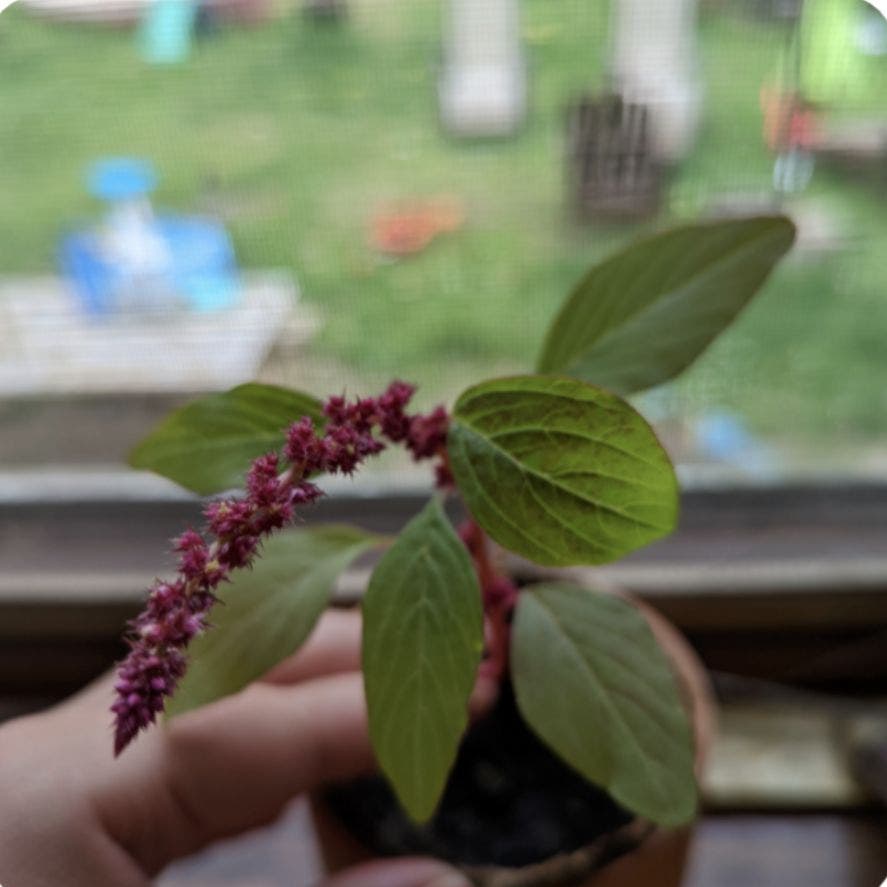
✂️ Step-by-Step Guide to Pruning Foxtail Amaranth
Amaranthus caudatus
By the Greg Editorial Team
Oct 19, 2024•6 min read
This article was created with the help of AI so we can cover more plants for you. May contain errors. See one? Report it here.
- 🌱 Prune Foxtail Amaranth in spring, summer, and fall for optimal health.
- ✂️ Use sharp tools and gloves to ensure clean cuts and protect your hands.
- 🌼 Avoid over-pruning to maintain blooms; cut back only one-third at a time.
Timing: When to Prune
Optimal Pruning Times 🌱
Pruning Foxtail Amaranth at the right time is crucial for its health and vitality.
Early Spring: This is the best time to prune before new growth begins. It sets the stage for a robust growing season.
Mid-Summer: After the first flowering cycle, a trim can rejuvenate the plant and encourage a second bloom.
Late Fall: As the plant prepares for dormancy, pruning helps manage its shape and health for the winter months.
Signs Indicating Pruning is Needed ✂️
Recognizing when to prune is just as important as knowing when to do it.
An overgrown appearance or leggy growth indicates that your plant needs a haircut. This not only improves aesthetics but also promotes healthier growth.
Look for dead or damaged stems and leaves. Removing these parts helps the plant focus its energy on thriving, rather than struggling with decay.
By keeping an eye on these signs, you can ensure your Foxtail Amaranth remains vibrant and healthy.
Next, let’s explore the essential tools you’ll need for effective pruning.
Tools Needed for Pruning
Essential Pruning Tools 🌿
To effectively prune Foxtail Amaranth, you'll need a few key tools. Sharp pruning shears are essential for making clean cuts, ensuring the plant heals quickly.
For thicker stems, loppers are your best friend. They provide the leverage needed to tackle those sturdier branches without straining your hands.
Don’t forget to wear gloves. They protect your hands from sharp edges and any potential irritants on the plant.
Tool Maintenance 🧰
Keeping your tools in top shape is crucial for successful pruning. Always ensure your tools are clean and sharp to prevent disease transmission between plants.
Before and after each use, sterilize your tools. A simple solution of rubbing alcohol or bleach diluted in water can do wonders in keeping your garden healthy.
With the right tools and maintenance, you’re well on your way to a thriving Foxtail Amaranth. Next, let’s dive into the step-by-step pruning instructions to get your plants looking their best!
Step-by-Step Pruning Instructions
Pruning Foxtail Amaranth is essential for maintaining its health and appearance. Follow these steps to ensure a successful pruning session.
Assessing the Plant 🌱
Start by evaluating the overall shape and health of your plant. Look for any signs of damage or overgrowth that may need attention.
Removing Dead or Damaged Stems 🪴
Next, remove any dead or damaged stems at the base. This helps the plant focus its energy on healthy growth.
Trimming Leggy Growth ✂️
Trim back any leggy growth to encourage bushiness. This will promote a fuller, more vibrant appearance.
Shaping the Plant 🎨
Shape the plant by cutting back excess foliage while maintaining a natural form. This step is crucial for aesthetic appeal and overall plant health.
Proper Disposal of Cuttings ♻️
Dispose of cuttings properly to prevent disease spread. This ensures that your garden remains healthy and thriving.
Specific Techniques for Foxtail Amaranth
Now, let’s dive into some specific techniques tailored for Foxtail Amaranth.
Identifying Main Stems and Lateral Branches 🔍
Begin by identifying the main stems and lateral branches. This will guide your pruning decisions.
Cutting Back Lateral Branches ✂️
Cut back lateral branches to a healthy leaf node to promote new growth. This encourages the plant to produce more foliage and flowers.
Avoiding Over-Cutting 🚫
Be cautious not to cut more than one-third of the plant at a time. This helps prevent stress and ensures a robust recovery.
By following these steps and techniques, you’ll set your Foxtail Amaranth up for success. Next, let’s explore common mistakes to avoid when pruning.
Common Mistakes to Avoid When Pruning
✂️ Over-Pruning
One of the biggest pitfalls in pruning is overdoing it. Cutting back too much can stress your foxtail amaranth and lead to reduced flowering.
To avoid this, limit your cuts to no more than one-third of the plant at a time. This approach helps maintain the plant's vitality while still encouraging growth.
⏰ Improper Timing
Timing is everything when it comes to pruning. Cutting during the flowering phase can significantly reduce blooms, leaving your plant looking sparse.
Stick to seasonal guidelines for pruning. Early spring, mid-summer, and late fall are your best bets for optimal results.
🛠️ Neglecting Tool Maintenance
Your tools are your best friends in the garden, but they need care too. Neglecting to clean and sharpen your pruning tools can lead to disease transmission and poor cuts.
Make it a habit to regularly clean and sharpen your tools. This simple step ensures clean cuts and keeps your plants healthy.
By avoiding these common mistakes, you'll set your foxtail amaranth up for success. Next, let’s dive into the specific techniques for effective pruning.
Deadheading Techniques
🌼 Definition and Purpose
Deadheading is the process of removing spent flowers from your Foxtail Amaranth. This simple act encourages further blooming and prevents the plant from going to seed.
🌸 Importance for Foxtail Amaranth
By deadheading, you promote a longer flowering period and enhance the overall appearance of the plant. It keeps your garden looking vibrant and encourages more blooms throughout the season.
✂️ Step-by-Step Deadheading Instructions
- Identify spent flowers on the plant that have wilted or faded.
- Use clean pruning shears to cut the flower spike just above the first set of healthy leaves. This helps the plant redirect energy to new growth.
- Dispose of dead flowers properly to prevent pests and diseases from taking hold in your garden.
📅 Optimal Deadheading Schedule
Regularly check for spent flowers every 1-2 weeks during the blooming season. Additionally, deadhead after the first flowering cycle to encourage a second bloom, ensuring your Foxtail Amaranth remains lush and lively.
By incorporating these deadheading techniques, you'll not only keep your plants healthy but also enjoy a more extended display of their beautiful blooms. Next, let’s explore the essential post-pruning care to support your plants' recovery and growth.
Post-Pruning Care
🌱 Aftercare for Pruned Foxtail Amaranth
Once you've pruned your foxtail amaranth, proper aftercare is essential for a healthy recovery. Start by watering the plant adequately to support its recovery process.
Next, apply a balanced fertilizer to encourage new growth. This will give your plant the nutrients it needs to bounce back stronger than ever.
🚨 Signs of Stress After Pruning
Keep an eye out for signs of stress in your plant. Wilting leaves, yellowing foliage, or stunted growth can indicate that your foxtail amaranth is struggling.
These symptoms may arise if the plant has been over-pruned or if it’s not receiving enough care post-pruning.
🌼 Encouraging New Growth Post-Pruning
To foster new growth, ensure your plant receives adequate sunlight and moisture. Foxtail amaranth thrives in bright conditions, so position it where it can soak up those rays.
Additionally, monitor for pests and diseases regularly. Early detection can make all the difference in maintaining a vibrant, healthy plant.
With the right care, your foxtail amaranth will flourish, rewarding you with lush foliage and beautiful blooms. Now that you’re equipped with post-pruning care tips, let’s explore deadheading techniques to keep your plant looking its best!
⚠️ Safety First
This content is for general information and may contain errors, omissions, or outdated details. It is not medical, veterinary advice, or an endorsement of therapeutic claims.
Always consult a qualified healthcare professional before using any plant as food, medicine, or supplement.
Never eat any plant (or feed one to pets) without confirming its identity with at least two trusted sources.
If you suspect poisoning, call Poison Control (800) 222-1222, the Pet Poison Helpline (800) 213-6680, or your local emergency service immediately.
Spotted an error? Please report it here.
Transform your Foxtail Amaranth into a blooming beauty 🌼 by using Greg's tailored pruning reminders and expert care tips to ensure it thrives all year round!