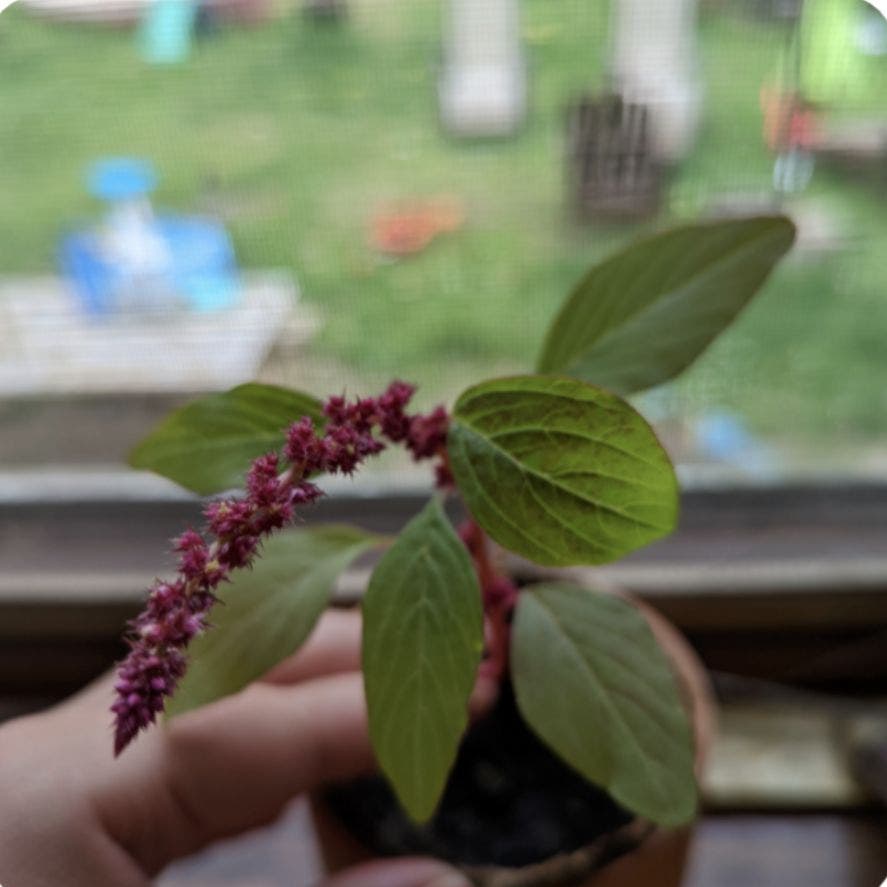
❄️ Top 9 Signs Your Foxtail Amaranth is Stressed in Winter
Amaranthus caudatus
By the Greg Editorial Team
Oct 19, 2024•4 min read
This article was created with the help of AI so we can cover more plants for you. May contain errors. See one? Report it here.
- ❄️ Protect Foxtail Amaranth from frost with cloths, but ensure sunlight exposure daily.
- 🌱 Reduce watering frequency in winter to prevent root rot and check soil moisture.
- 🌿 Recognize stress signs like wilting and discoloration to take timely action for recovery.
Winter Care Requirements
❄️ Frost Protection Methods
Frost can be brutal for your Foxtail Amaranth, so protecting your plants is crucial. Cover them with frost cloths or blankets to shield against the cold, but remember to remove these covers during the day to let in sunlight.
Mulching is another effective strategy. A thick layer of mulch—about 3 to 4 inches—around the base will insulate the roots and help retain moisture.
Additionally, consider plant placement. Position your plants in sheltered areas to minimize exposure to harsh winds, which can exacerbate stress during winter.
💧 Adjusting Watering Schedule for Winter
As temperatures drop, it's essential to adjust your watering routine. Reduce the frequency of watering to prevent root rot; always check the soil moisture before adding more water.
The ideal moisture level is when the soil feels slightly dry to the touch. Keep an eye out for signs of overwatering, such as yellowing leaves and mushy stems, which indicate excess moisture.
🌱 Fertilizing Schedule During Winter Months
During winter dormancy, your Foxtail Amaranth needs less fertilization. Limit your use of fertilizers, but if necessary, opt for a diluted, balanced fertilizer.
Timing is key; apply fertilizer sparingly, ideally once in late winter. This will prepare your plants for the vigorous growth that spring brings.
By following these winter care requirements, you can help your Foxtail Amaranth thrive even in the coldest months. Next, let’s explore how to transition your plants indoors for the winter.
Indoor Winter Care
Transitioning Indoors 🌱
Moving your Foxtail Amaranth indoors before the first frost is crucial for its survival. This proactive step ensures that your plant avoids the harsh winter conditions that can lead to stress or damage.
When transitioning, choose pots with drainage holes. This prevents water accumulation, which can lead to root rot, a common issue during the winter months.
Light and Temperature Requirements Indoors 💡
Your plant needs bright, indirect sunlight to thrive indoors. If natural light is lacking, consider using grow lights to supplement its needs.
Maintaining indoor temperatures between 60°F to 75°F (15°C to 24°C) is essential. This temperature range helps your Foxtail Amaranth stay healthy and prepares it for the upcoming spring growth.
With the right indoor care, your plant will not only survive but flourish, setting the stage for a vibrant spring. Next, let’s explore how to prepare for spring growth effectively.
Spring Preparation
🌱 Signs of Recovery from Winter Damage
As winter fades, look for signs that your Foxtail Amaranth is bouncing back. The emergence of fresh leaves and flower spikes is a clear indicator of recovery.
Additionally, pay attention to the color of the leaves. A return to vibrant green hues signals that your plant is regaining its health and vitality.
🌼 Preparing for Spring Growth
To set your Foxtail Amaranth up for success, start with pruning. Trim away any dead or damaged foliage to encourage new growth and improve airflow.
Next, focus on soil preparation. Refresh your potting mix or garden soil by incorporating organic matter, which enhances nutrient availability and supports robust growth.
With these steps, your plants will be well on their way to thriving in the warmer months ahead. Transitioning into spring is an exciting time, and your proactive care will yield beautiful results.
Common Problems and Solutions
🧐 Identifying and Addressing Stress Indicators
Foxtail Amaranth can show signs of stress during winter, and it's crucial to recognize these indicators early. Common symptoms include wilting, discoloration, and stunted growth.
To address these issues, start by adjusting your watering habits. Ensure the soil is slightly dry before watering, and check for proper light conditions to help your plants thrive.
❄️ Tips for Enhancing Cold Hardiness
Selecting the right varieties can make a significant difference in your Foxtail Amaranth's resilience. Opt for varieties known for better cold tolerance to give your plants a fighting chance against winter stress.
Acclimatization is another key strategy. Gradually expose your plants to colder temperatures before winter sets in, allowing them to adapt and strengthen their defenses.
By staying vigilant and proactive, you can help your Foxtail Amaranth not just survive, but flourish through the winter months. Next, let’s explore how to prepare your plants for the vibrant growth of spring.
⚠️ Safety First
This content is for general information and may contain errors, omissions, or outdated details. It is not medical, veterinary advice, or an endorsement of therapeutic claims.
Always consult a qualified healthcare professional before using any plant as food, medicine, or supplement.
Never eat any plant (or feed one to pets) without confirming its identity with at least two trusted sources.
If you suspect poisoning, call Poison Control (800) 222-1222, the Pet Poison Helpline (800) 213-6680, or your local emergency service immediately.
Spotted an error? Please report it here.
Keep your Foxtail Amaranth thriving this winter ❄️ with Greg's tailored care reminders that help you protect it from frost and adjust watering for optimal health!