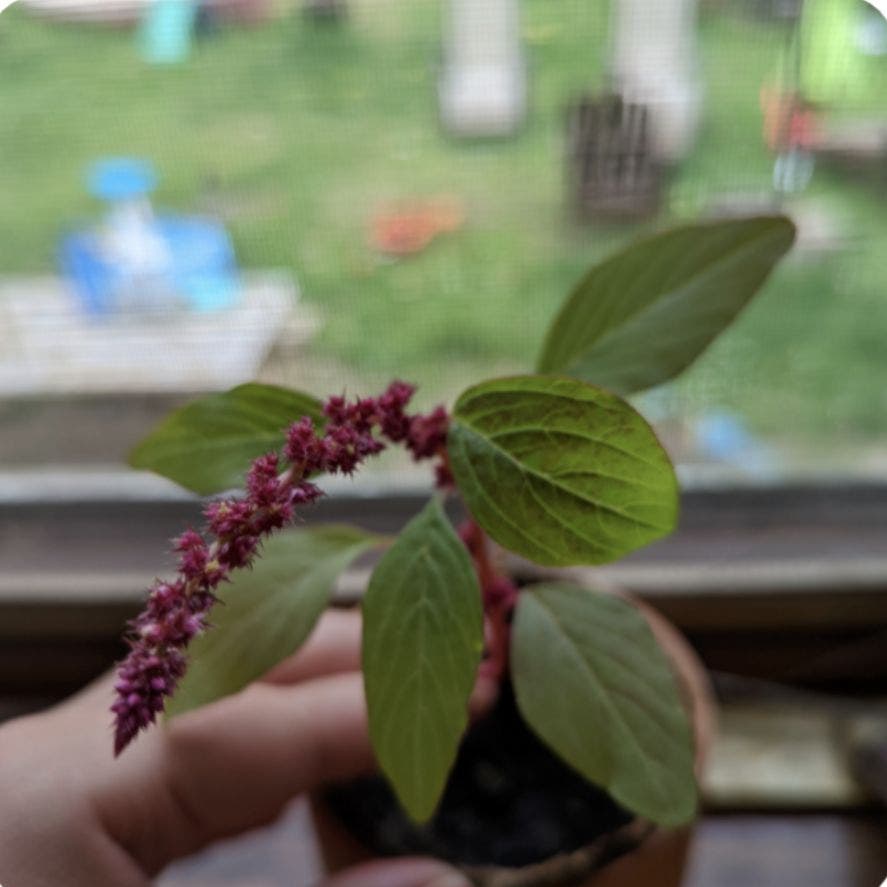
❤️ Step-by-Step Guide to Fertilizing Love-Lies-Bleeding
Amaranthus caudatus
By the Greg Editorial Team
Oct 16, 2024•5 min read
This article was created with the help of AI so we can cover more plants for you. May contain errors. See one? Report it here.
- 🌱 Love-lies-bleeding needs balanced nutrients: nitrogen, phosphorus, and potassium for optimal growth.
- 🕒 Fertilize every 4-6 weeks during growing season for vibrant blooms and health.
- 🔍 Soil testing prevents over-fertilization, ensuring your plant gets just the right nutrients.
Nutrient Requirements Specific to Love-Lies-Bleeding
🌱 Essential Nutrients
Love-lies-bleeding thrives on a balanced diet of essential nutrients.
Nitrogen is crucial for promoting leafy growth and overall plant health. It helps your plant develop lush foliage that can withstand various environmental stresses.
Phosphorus plays a vital role in root development and blooming. This nutrient ensures that your plant establishes a strong foundation and produces vibrant flowers.
Potassium enhances drought resistance and improves flower quality. It helps your love-lies-bleeding withstand dry spells while ensuring that blooms are robust and colorful.
⚖️ Nutrient Ratios for Optimal Growth
Understanding nutrient ratios is key to nurturing your love-lies-bleeding effectively.
The recommended N-P-K (Nitrogen-Phosphorus-Potassium) ratios typically range from 10-10-10 to 5-10-10, depending on the growth stage.
Micronutrients like calcium, magnesium, and iron are equally important. They support various physiological functions, ensuring your plant remains healthy and vibrant throughout its growth cycle.
By focusing on these nutrient requirements, you set the stage for a flourishing love-lies-bleeding plant.
Next, let’s explore the types of fertilizers that will best support these nutrient needs.
Types of Fertilizers Suitable
🌱 Organic Fertilizers
Organic fertilizers are a fantastic choice for nurturing love-lies-bleeding. They not only provide essential nutrients but also enhance soil health.
Compost: This nutrient-rich option improves soil structure and promotes beneficial microbial activity. It's like giving your plants a hearty meal while enriching the earth.
Fish Emulsion: Packed with a balanced nutrient profile, fish emulsion is a liquid fertilizer that can boost growth. It’s a great way to ensure your plants get the nutrients they need without harsh chemicals.
Bone Meal: High in phosphorus, bone meal is perfect for encouraging blooming. It’s especially beneficial during the flowering phase, helping your love-lies-bleeding thrive.
⚗️ Synthetic Fertilizers
Synthetic fertilizers can also be effective, offering quick nutrient availability. Understanding the pros and cons can help you make the right choice.
Granular vs. Liquid Options: Granular fertilizers are easy to apply and release nutrients slowly, while liquid fertilizers provide an immediate nutrient boost. Choose based on your plants' needs and your gardening style.
Recommended Brands and Formulations: Look for reputable brands that offer formulations specifically designed for flowering plants. Popular options include Miracle-Gro and Osmocote, which provide reliable results.
Choosing the right fertilizer is crucial for the health of your love-lies-bleeding. With both organic and synthetic options available, you can tailor your approach to meet your plants' specific needs.
Next, let’s explore how to apply fertilizer effectively for optimal results.
How to Apply Fertilizer Effectively
🌱 Fertilizer Application Techniques
Applying fertilizer correctly is crucial for the health of your Love-Lies-Bleeding plants.
Granular Application
For granular fertilizers, start by evenly distributing the granules around the base of the plant. Aim for a ring about 6 inches away from the stem to avoid root burn.
Liquid Fertilizer
When using liquid fertilizers, mix according to the package instructions. Apply the solution directly to the soil, ensuring it reaches the root zone for maximum absorption.
⏰ Timing and Frequency of Application
Timing your fertilizer application can significantly impact plant growth.
Best Times to Fertilize
The best times to fertilize are during the early morning or late afternoon. This helps prevent evaporation and allows the nutrients to be absorbed effectively.
Frequency Recommendations
Frequency will depend on the growth stage of your Love-Lies-Bleeding plants. Generally, fertilize every 4-6 weeks during the growing season, and reduce frequency as the plants enter dormancy.
By mastering these application techniques and timing strategies, you’ll set your Love-Lies-Bleeding up for vibrant growth and stunning blooms. Next, let’s explore the signs of over-fertilization and how to avoid it.
Signs of Over-Fertilization and How to Avoid It
🌿 Symptoms of Over-Fertilization
Over-fertilization can be detrimental to your Love-Lies-Bleeding plants. One of the most common signs is leaf burn, characterized by browning edges and tips. This occurs when excess nutrients overwhelm the plant, leading to dehydration.
Another symptom is stunted growth. You might notice that despite your fertilization efforts, the plant lacks vigor and fails to thrive. This can be frustrating, especially when you're eager to see your plants flourish.
🚫 Prevention Strategies
To avoid these issues, start with soil testing before applying any fertilizer. This step helps you understand the nutrient levels already present in the soil, allowing for more precise fertilization.
Additionally, be mindful of adjusting fertilizer amounts based on your plant's response. If you notice any signs of distress, scale back on the nutrients. This proactive approach can save your plants from the adverse effects of over-fertilization.
By keeping an eye on your plants and their needs, you can ensure they receive the right nutrients without the risk of overdoing it. Next, let’s explore a seasonal fertilization schedule to optimize blooming and growth.
Seasonal Fertilization Schedule for Optimal Blooming
🌱 Spring Fertilization
Early spring is the perfect time to kickstart your Love-Lies-Bleeding's growth. Applying fertilizer at this stage sets the foundation for lush foliage and vibrant blooms.
For this initial boost, consider using a balanced fertilizer with an N-P-K ratio of 10-10-10. A rate of about 1 pound per 100 square feet is generally effective. This ensures your plants receive the essential nutrients they need to thrive.
☀️ Summer Fertilization
As summer rolls in, your plants will benefit from a mid-season nutrient boost. This is crucial for maintaining health and encouraging continuous blooming.
Adjust your fertilizer type based on the blooming phase. A higher phosphorus fertilizer, like a 5-10-5 ratio, can enhance flower production. Apply it every 4-6 weeks to keep your Love-Lies-Bleeding flourishing.
🍂 Fall Fertilization
Before winter sets in, it's time to prepare your plants for dormancy. A final application in the fall helps them store nutrients for the colder months ahead.
Opt for a slow-release fertilizer with a lower nitrogen content, such as a 4-12-4 ratio. This will support root health while minimizing excessive growth before winter. Aim for this application about a month before the first frost to ensure your plants are well-prepared.
With a solid seasonal fertilization schedule, your Love-Lies-Bleeding will not only survive but thrive through the seasons. Next, let’s explore how to apply fertilizer effectively for the best results.
⚠️ Safety First
This content is for general information and may contain errors, omissions, or outdated details. It is not medical, veterinary advice, or an endorsement of therapeutic claims.
Always consult a qualified healthcare professional before using any plant as food, medicine, or supplement.
Never eat any plant (or feed one to pets) without confirming its identity with at least two trusted sources.
If you suspect poisoning, call Poison Control (800) 222-1222, the Pet Poison Helpline (800) 213-6680, or your local emergency service immediately.
Spotted an error? Please report it here.
Nourish your love-lies-bleeding plants for vibrant blooms 🌺 with Greg's personalized fertilization reminders and nutrient tips that keep your garden thriving all year round!